 EN
EN


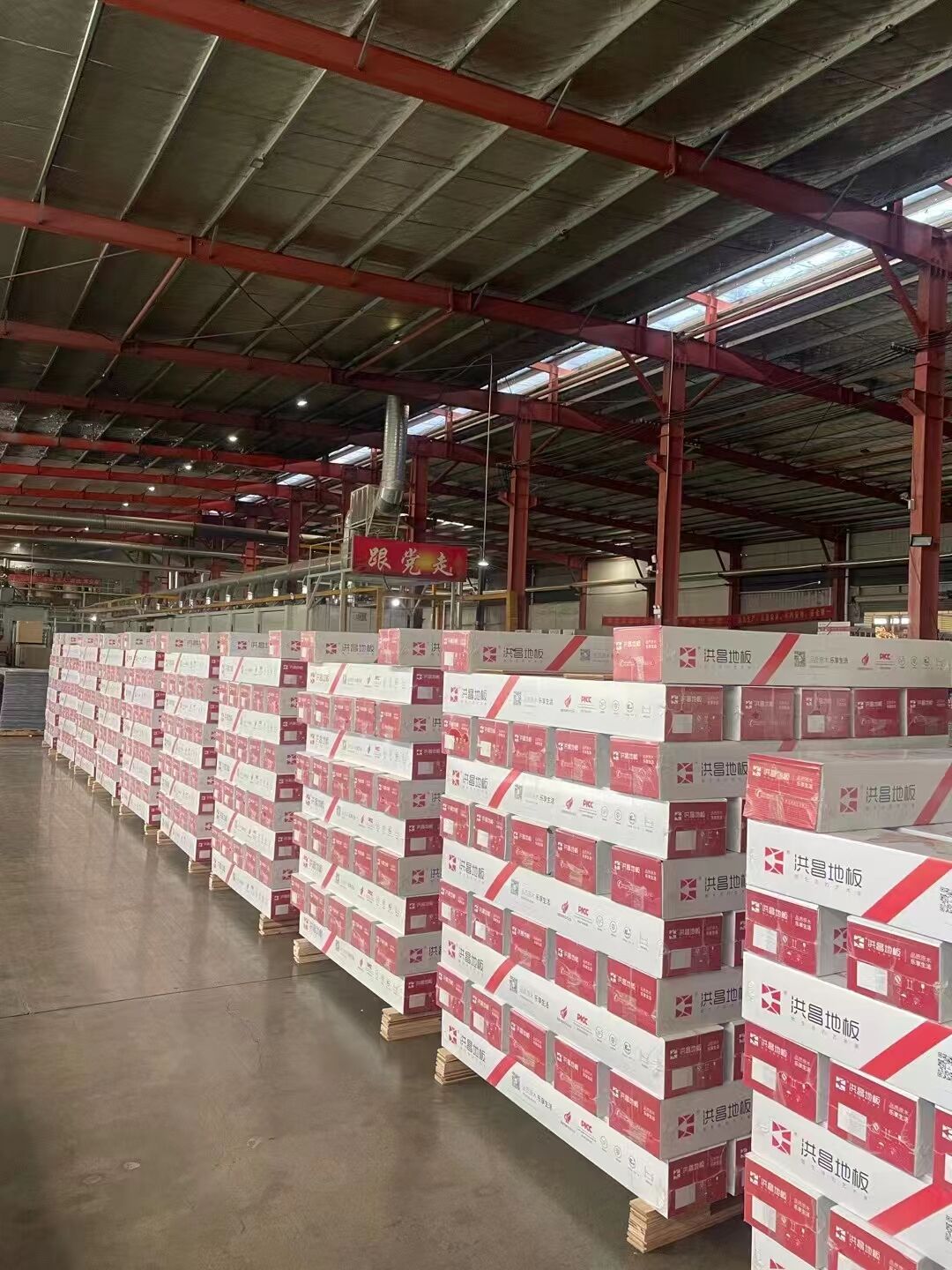
In the competitive world of international trade, ensuring products reach their destination safely is paramount for business success. Export packaging faces numerous challenges during transportation, from rough handling at ports to extended shipping durations across various climate conditions. The anti-slip packaging board has emerged as a revolutionary solution for companies seeking to minimize product damage and enhance customer satisfaction. This specialized packaging material combines innovative surface treatments with robust structural engineering to create a protective barrier that prevents merchandise from shifting during transit. Understanding the comprehensive benefits of anti-slip packaging board enables exporters to make informed decisions that protect their investments and strengthen their market reputation.
Enhanced Product Protection During International Shipping
Superior Load Stabilization Technology
The anti-slip packaging board utilizes advanced surface engineering to create exceptional friction between products and packaging surfaces. This technology significantly reduces product movement within containers, even during turbulent sea voyages or sudden stops during ground transportation. The specialized coating maintains its effectiveness across temperature variations, ensuring consistent performance whether shipping through tropical climates or arctic conditions. Export companies utilizing this packaging solution report dramatic reductions in product displacement claims from international customers.
Traditional packaging methods often rely solely on external restraints like strapping or corner brackets, which can fail under extreme conditions. Anti-slip packaging board provides an additional layer of security by creating a high-friction surface that naturally resists product movement. This redundant protection system ensures that even if external restraints become compromised, products remain securely positioned throughout the shipping journey.

Moisture and Environmental Resistance
Export shipments encounter diverse environmental conditions that can compromise traditional packaging materials. The anti-slip packaging board incorporates moisture-resistant properties that maintain structural integrity even in high-humidity environments common during ocean freight. This resistance prevents the degradation of slip-resistant properties that could otherwise occur with conventional materials when exposed to condensation or temperature fluctuations.
The material's chemical composition resists common contaminants found in shipping environments, including salt spray from maritime transport and industrial pollutants encountered at port facilities. This environmental stability ensures that the protective characteristics of the anti-slip packaging board remain consistent throughout extended shipping periods, providing reliable protection for high-value export commodities.
Cost Optimization Through Damage Reduction
Significant Reduction in Insurance Claims
International shipping insurance costs represent a substantial expense for export businesses, particularly when handling fragile or high-value products. Implementation of anti-slip packaging board systems demonstrates measurable impact on claim reduction rates, leading to lower insurance premiums and improved carrier relationships. Insurance providers increasingly recognize the risk mitigation benefits of advanced packaging technologies, often offering preferential rates for companies implementing comprehensive protection systems.
Documentation from shipping incidents reveals that product movement during transit accounts for a significant percentage of damage claims. By addressing this root cause, anti-slip packaging board eliminates many potential failure points that traditional packaging methods cannot adequately address. This proactive approach to risk management translates directly into improved profitability through reduced claim processing costs and preserved customer relationships.
Optimized Container Utilization
The stability provided by anti-slip packaging board enables more efficient container loading configurations, maximizing space utilization without compromising product safety. Export companies can achieve higher product density per container while maintaining confidence in product protection. This optimization reduces per-unit shipping costs and improves overall logistics efficiency, particularly beneficial for companies shipping regular volumes to international markets.
Traditional packaging often requires additional void fill materials or excessive spacing between products to prevent damage from movement. Anti-slip packaging board reduces these requirements, allowing for more compact loading arrangements that take full advantage of available container space. This efficiency improvement becomes particularly valuable when shipping costs are calculated on a per-container basis rather than by weight.
Operational Efficiency and Labor Benefits
Streamlined Loading and Unloading Processes
The implementation of anti-slip packaging board significantly reduces the time and labor required for proper cargo securing during the loading process. Workers can position products more quickly knowing that the enhanced friction will maintain placement without requiring extensive additional restraints. This efficiency improvement reduces port dwell time and associated costs while improving overall logistics scheduling reliability.
Unloading operations benefit equally from anti-slip packaging board implementation, as products remain in their intended positions throughout transit. Receiving personnel can efficiently access and remove items without navigating around shifted cargo or dealing with damaged packaging that often occurs with traditional methods. This streamlined process improves customer satisfaction and reduces the labor costs associated with freight handling at destination points.
Reduced Packaging Material Requirements
The superior holding power of anti-slip packaging board reduces the quantity of supplementary packaging materials required for export shipments. Companies often eliminate multiple layers of protective wrapping, corner guards, and void fill materials when implementing comprehensive anti-slip solutions. This reduction in material requirements decreases packaging costs while simultaneously reducing the environmental impact of export operations.
Simplified packaging protocols enabled by anti-slip packaging board also reduce training requirements for packaging personnel and minimize the potential for human error during the packing process. Standardized procedures become more reliable when the primary protection mechanism is built into the packaging surface rather than depending on proper application of multiple discrete protective elements.
Environmental and Sustainability Advantages
Recyclable Material Composition
Modern anti-slip packaging board products incorporate environmentally responsible materials that support corporate sustainability initiatives. The recyclable nature of these materials aligns with increasing international regulations regarding packaging waste and environmental impact. Export companies can meet stringent environmental requirements in destination countries while maintaining superior product protection standards.
The durability of anti-slip packaging board extends its useful life beyond single-use applications, enabling reuse in appropriate circumstances. This extended lifecycle reduces the overall environmental footprint per shipment while providing ongoing value to export operations. Companies implementing sustainable packaging practices often find competitive advantages in environmentally conscious international markets.
Reduced Carbon Footprint Through Efficiency
The container optimization enabled by anti-slip packaging board contributes to reduced carbon emissions per unit shipped by maximizing cargo density. Fewer containers required for equivalent product volumes translates directly into reduced fuel consumption and associated environmental impact. This efficiency improvement supports corporate environmental goals while providing tangible cost benefits.
Elimination of damage-related returns and re-shipments further reduces the carbon footprint of export operations. When products arrive safely the first time, companies avoid the environmental cost of replacement manufacturing, additional packaging, and redundant transportation. This comprehensive environmental benefit extends beyond the immediate shipping operation to encompass the entire product lifecycle.
Quality Assurance and Customer Satisfaction
Consistent Product Condition Upon Delivery
International customers increasingly expect products to arrive in perfect condition regardless of shipping distance or duration. Anti-slip packaging board enables exporters to meet these expectations consistently by preventing the subtle damage that often occurs from product movement during extended transportation. This reliability builds customer confidence and supports long-term business relationships in competitive international markets.
The professional appearance of shipments utilizing anti-slip packaging board reflects positively on brand image and demonstrates commitment to quality throughout the entire customer experience. First impressions matter significantly in international trade, and the condition of products upon arrival often influences future purchasing decisions and customer loyalty.
Compliance with International Shipping Standards
Many international markets have specific requirements regarding packaging standards and product protection during transit. Anti-slip packaging board helps exporters meet these regulatory requirements while exceeding minimum standards for customer protection. Compliance with international standards reduces the risk of shipment delays or rejections at destination ports, ensuring smooth customs clearance and delivery processes.
Documentation and certification of packaging protection methods becomes increasingly important for high-value exports and sensitive products. Anti-slip packaging board provides verifiable protection metrics that support regulatory compliance and customer assurance requirements in sophisticated international markets.
Implementation Considerations and Best Practices
Integration with Existing Packaging Systems
Successful implementation of anti-slip packaging board requires careful consideration of existing packaging processes and equipment. The material integrates effectively with most standard packaging machinery while providing enhanced protection capabilities. Companies can typically implement anti-slip solutions without major equipment modifications, making adoption cost-effective and minimally disruptive to ongoing operations.
Training programs for packaging personnel should emphasize the proper application techniques that maximize the effectiveness of anti-slip packaging board. While the material provides inherent protective benefits, optimal results require understanding of surface preparation, application methods, and quality control procedures. Investment in proper training ensures that companies realize the full potential of their anti-slip packaging board implementation.
Cost-Benefit Analysis and Return on Investment
The initial cost of anti-slip packaging board typically represents a modest increase compared to traditional packaging materials, but the return on investment becomes apparent through reduced damage claims, lower insurance premiums, and improved customer satisfaction. Companies should evaluate the total cost of ownership including potential savings from damage reduction and operational efficiency improvements.
Long-term benefits of anti-slip packaging board implementation extend beyond immediate cost savings to include improved market reputation, customer retention, and competitive positioning in international markets. These strategic advantages often justify the investment even when direct cost savings alone might not provide sufficient motivation for implementation.
FAQ
How does anti-slip packaging board differ from traditional packaging materials
Anti-slip packaging board incorporates specialized surface treatments that create high-friction interfaces between products and packaging surfaces, unlike traditional materials that rely primarily on structural containment. This technology actively prevents product movement rather than simply providing a barrier, resulting in superior protection during transportation. The material maintains its effectiveness across various environmental conditions, ensuring consistent performance throughout international shipping operations.
Can anti-slip packaging board be used with automated packaging equipment
Yes, anti-slip packaging board is designed to integrate seamlessly with most automated packaging systems and machinery. The material maintains consistent thickness and handling characteristics that work effectively with existing equipment configurations. Many manufacturers provide technical support to ensure optimal integration with specific packaging line requirements, minimizing implementation challenges and maximizing operational efficiency.
What types of products benefit most from anti-slip packaging board protection
Products with smooth surfaces, high value, or fragile components gain the most significant benefits from anti-slip packaging board implementation. Electronics, automotive parts, machinery components, and consumer goods with polished finishes particularly benefit from the enhanced stability provided by anti-slip surfaces. However, virtually any product shipped internationally can benefit from the improved protection and reduced damage risk that anti-slip packaging board provides.
How environmentally friendly is anti-slip packaging board compared to other packaging options
Modern anti-slip packaging board products utilize recyclable materials and manufacturing processes that minimize environmental impact. The durability and reusability of these materials often result in lower overall environmental footprint compared to single-use alternatives. Additionally, the damage reduction achieved through anti-slip packaging board implementation reduces waste from damaged products and eliminates the environmental cost of replacement shipments and returns.
Table of Contents
- Enhanced Product Protection During International Shipping
- Cost Optimization Through Damage Reduction
- Operational Efficiency and Labor Benefits
- Environmental and Sustainability Advantages
- Quality Assurance and Customer Satisfaction
- Implementation Considerations and Best Practices
-
FAQ
- How does anti-slip packaging board differ from traditional packaging materials
- Can anti-slip packaging board be used with automated packaging equipment
- What types of products benefit most from anti-slip packaging board protection
- How environmentally friendly is anti-slip packaging board compared to other packaging options