 EN
EN


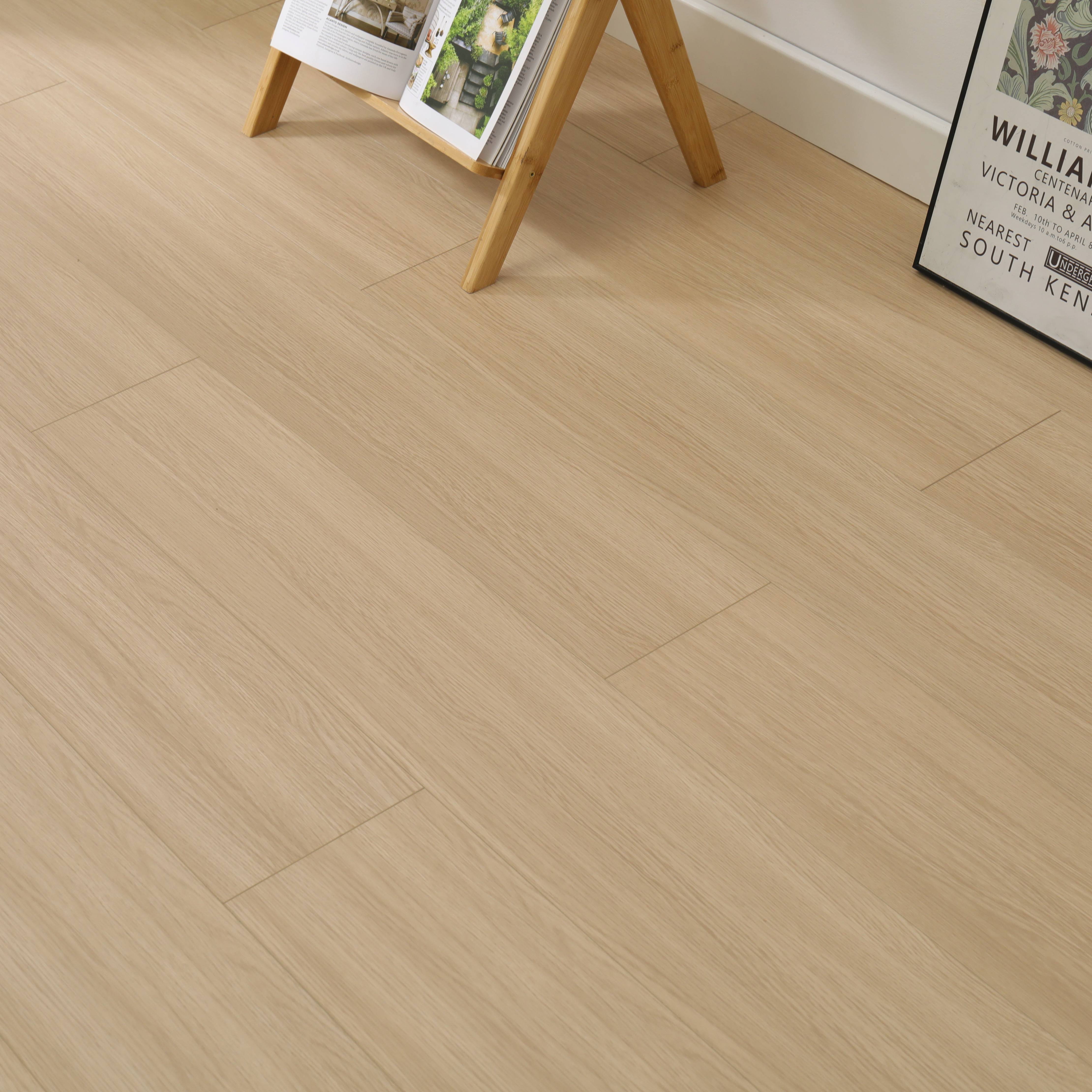
In today's technology-driven manufacturing landscape, protecting sensitive electronic equipment and ensuring personnel safety has become paramount for precision industries. Static electricity poses significant risks to both product quality and operational efficiency, making specialized flooring solutions essential for maintaining optimal working conditions. Anti-static flooring systems have emerged as critical infrastructure components that address these challenges while providing long-term value for businesses operating in controlled environments.
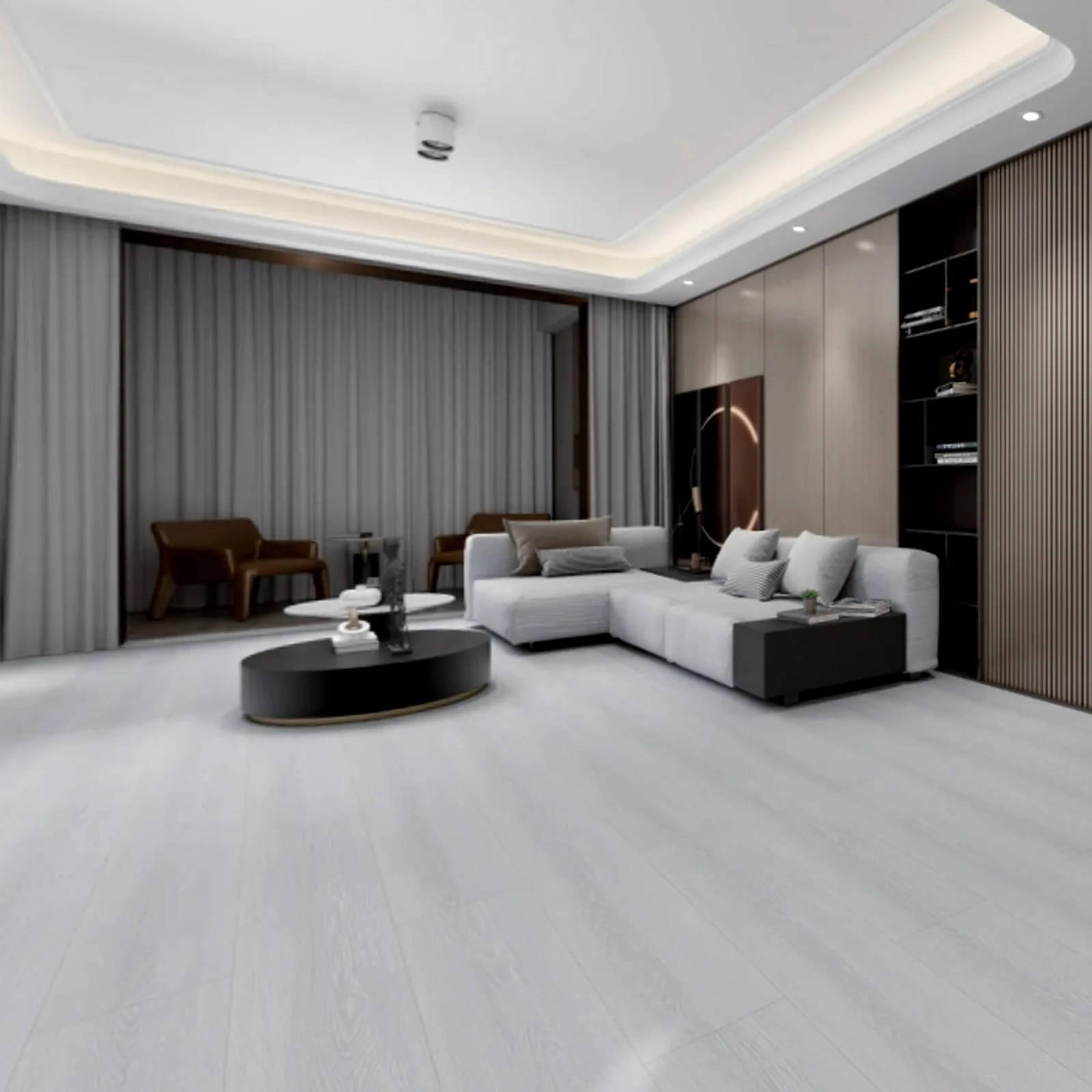
Understanding Anti-Static Flooring Technology
Fundamental Principles of Static Control
Anti-static flooring operates through sophisticated conductive and dissipative materials that safely channel electrical charges away from sensitive areas. These specialized surfaces create controlled pathways for static electricity to discharge harmlessly, preventing the accumulation of potentially damaging electrical energy. The technology relies on carefully engineered resistance levels that allow controlled dissipation while maintaining safety standards for human contact.
Modern anti-static flooring systems incorporate various conductive elements, including carbon fibers, metallic particles, and specialized polymers that create consistent electrical pathways. These materials are precisely calibrated to achieve optimal resistance values, typically ranging from 1x10^5 to 1x10^9 ohms, ensuring effective static control without compromising safety. The integration of these components requires expert manufacturing processes that maintain uniform conductivity across the entire flooring surface.
Material Composition and Performance Characteristics
High-quality anti-static flooring combines multiple layers of engineered materials designed to work synergistically for optimal performance. The surface layer contains the primary conductive elements, while underlying layers provide structural support and additional dissipative properties. This multi-layer approach ensures consistent performance over extended periods while maintaining durability under heavy industrial use.
Advanced formulations incorporate specialized additives that enhance both electrical performance and physical properties. These include wear-resistant compounds that maintain conductivity even after prolonged use, UV stabilizers that prevent degradation from lighting exposure, and antimicrobial agents that support cleanliness requirements in sterile environments. The careful balance of these components results in flooring that meets stringent industry standards while providing exceptional longevity.
Industrial Applications and Use Cases
Electronics Manufacturing Facilities
Electronics manufacturing represents one of the most critical applications for anti-static flooring, where even minimal static discharge can damage sensitive components worth thousands of dollars. Modern semiconductor fabrication facilities, circuit board assembly lines, and testing laboratories rely on comprehensive static control measures to protect their investments. Anti-static flooring serves as the foundation of these protective systems, creating safe zones where personnel can work without risk of generating harmful static charges.
In these environments, flooring systems must meet extremely strict electrical resistance specifications while supporting heavy equipment and constant foot traffic. The flooring must also integrate seamlessly with other static control measures, including grounding systems, ionizers, and personal protective equipment. This comprehensive approach ensures that sensitive electronic components remain protected throughout the entire manufacturing process, from initial assembly through final testing and packaging.
Pharmaceutical and Medical Device Production
Pharmaceutical manufacturing facilities and medical device production environments face unique challenges that make anti-static flooring essential for both product integrity and regulatory compliance. These facilities must maintain sterile conditions while preventing static-related ignition risks in areas where flammable solvents and powders are present. Anti-static flooring provides the necessary electrical control while supporting stringent cleanliness requirements and chemical resistance needs.
Medical device manufacturing, particularly for electronic implants and diagnostic equipment, requires precise environmental control to ensure product reliability and patient safety. Static discharge during production can cause microscopic damage that may not be immediately apparent but could lead to device failure in critical situations. Anti-static flooring systems help manufacturers maintain the controlled conditions necessary for producing life-saving medical technologies while meeting FDA and international regulatory requirements.
Performance Benefits and Advantages
Equipment Protection and Damage Prevention
The primary advantage of anti-static flooring lies in its ability to protect expensive electronic equipment from static-related damage, which can range from complete component failure to subtle degradation that affects long-term reliability. Static discharge events can generate voltages exceeding 15,000 volts, far beyond the tolerance levels of modern electronic components. By providing controlled dissipation pathways, anti-static flooring reduces these risks to negligible levels, protecting investments in sophisticated manufacturing equipment.
Beyond immediate damage prevention, anti-static flooring contributes to improved product quality and reduced warranty claims by eliminating static-induced defects during manufacturing processes. This protection extends to both obvious failures that halt production and subtle damage that may not manifest until products reach end users. The consistent performance of anti-static flooring systems ensures that manufacturing environments maintain the stable conditions necessary for producing high-quality products with minimal defect rates.
Enhanced Workplace Safety and Productivity
Anti-static flooring significantly improves workplace safety by reducing the risk of static-related accidents, including ignition of flammable materials and unexpected electrical shocks that can startle workers and lead to injuries. In environments where volatile substances are present, static control becomes a critical safety measure that helps prevent fires and explosions. The peace of mind provided by effective static control allows workers to focus on their tasks without constantly worrying about static-related hazards.
Productivity benefits extend beyond safety improvements to include reduced equipment downtime and fewer quality-related production interruptions. When static control is properly managed through appropriate flooring systems, manufacturers experience fewer unexpected equipment failures and process disruptions. This reliability translates directly into improved production schedules, reduced maintenance costs, and more consistent output quality that meets customer expectations.
Installation and Maintenance Considerations
Professional Installation Requirements
Proper installation of anti-static flooring requires specialized knowledge and equipment to ensure optimal performance and longevity. Professional installers must understand electrical testing procedures, grounding requirements, and substrate preparation techniques that differ significantly from conventional flooring installations. The installation process involves careful attention to seam integrity, grounding continuity, and surface uniformity to maintain consistent electrical properties across the entire floor area.
Environmental conditions during installation play a crucial role in achieving optimal results, with temperature, humidity, and air quality all affecting the curing and bonding processes. Professional installers use specialized tools and techniques to verify electrical continuity throughout the installation process, ensuring that the finished floor meets specified resistance values. This attention to detail during installation prevents costly performance issues and extends the useful life of the flooring system.
Long-term Maintenance and Performance Monitoring
Maintaining anti-static flooring requires specialized cleaning products and procedures that preserve electrical properties while ensuring optimal appearance and hygiene. Standard cleaning chemicals and methods may interfere with the conductive elements in the flooring, potentially compromising static control effectiveness. Proper maintenance protocols involve regular electrical testing to verify continued performance and prompt attention to any areas showing degraded conductivity.
Regular performance monitoring through electrical resistance testing helps identify potential issues before they become problematic, allowing for proactive maintenance that extends flooring life and maintains consistent static control. This monitoring should be conducted by qualified personnel using calibrated test equipment according to established industry standards. Proper documentation of test results provides valuable data for tracking performance trends and scheduling preventive maintenance activities.
Cost-Benefit Analysis and Return on Investment
Initial Investment Considerations
While anti-static flooring systems typically require higher initial investment compared to conventional flooring options, the cost must be evaluated against the potential risks and expenses associated with static-related damage and safety incidents. The upfront expense includes not only the flooring materials but also professional installation, testing equipment, and initial training for maintenance personnel. However, this investment provides immediate protection for expensive equipment and creates a foundation for long-term operational efficiency.
The cost of anti-static flooring varies significantly based on performance requirements, area coverage, and specific application needs. High-performance systems for critical applications command premium pricing but deliver correspondingly superior protection and longevity. When evaluating options, organizations must consider the total cost of ownership, including installation, maintenance, and eventual replacement, rather than focusing solely on initial purchase price.
Long-term Economic Benefits
The return on investment for anti-static flooring typically becomes apparent within the first few years of operation through reduced equipment damage, lower insurance premiums, and improved productivity. Organizations often find that the cost of a single major static-related incident exceeds the investment in comprehensive static control flooring, making the economic case compelling. Additionally, the presence of proper static control measures may be required for certain certifications and customer contracts, creating revenue opportunities that offset initial costs.
Extended benefits include reduced maintenance costs for electronic equipment, fewer quality-related production delays, and improved employee safety records that contribute to lower insurance costs and better regulatory compliance. The durability of high-quality anti-static flooring systems means that these benefits continue for many years, often exceeding the original cost multiple times over through accumulated savings and prevented losses.
FAQ
How long does anti-static flooring typically last in industrial environments
High-quality anti-static flooring systems can provide effective static control for 10-15 years or more when properly installed and maintained in typical industrial environments. The actual lifespan depends on factors such as traffic volume, maintenance practices, environmental conditions, and the specific performance requirements of the application. Regular electrical testing and proper maintenance can significantly extend the useful life of these systems while maintaining consistent performance.
What electrical resistance values should anti-static flooring maintain
Anti-static flooring should typically maintain electrical resistance values between 1x10^5 and 1x10^9 ohms, as measured according to industry standards such as ASTM F150 or IEC 61340-4-1. The specific resistance requirements depend on the application, with more sensitive environments requiring tighter control within this range. Regular testing ensures that the flooring continues to meet these specifications throughout its service life.
Can anti-static flooring be installed over existing concrete floors
Yes, many anti-static flooring systems can be successfully installed over existing concrete floors, provided the substrate is properly prepared and meets specific requirements for flatness, moisture content, and structural integrity. The existing floor must be thoroughly cleaned, any cracks or imperfections repaired, and appropriate primer or adhesive systems used to ensure proper bonding and electrical continuity. Professional evaluation of the existing substrate is essential for determining the best installation approach.
What maintenance procedures are required to preserve anti-static properties
Maintaining anti-static flooring requires specialized cleaning products that do not interfere with conductive properties, regular electrical resistance testing to verify continued performance, and prompt repair of any damaged areas. Cleaning should be performed with pH-neutral, anti-static cleaners, and testing should be conducted according to manufacturer recommendations and industry standards. Proper maintenance documentation helps track performance trends and identify potential issues before they become problematic.