 EN
EN


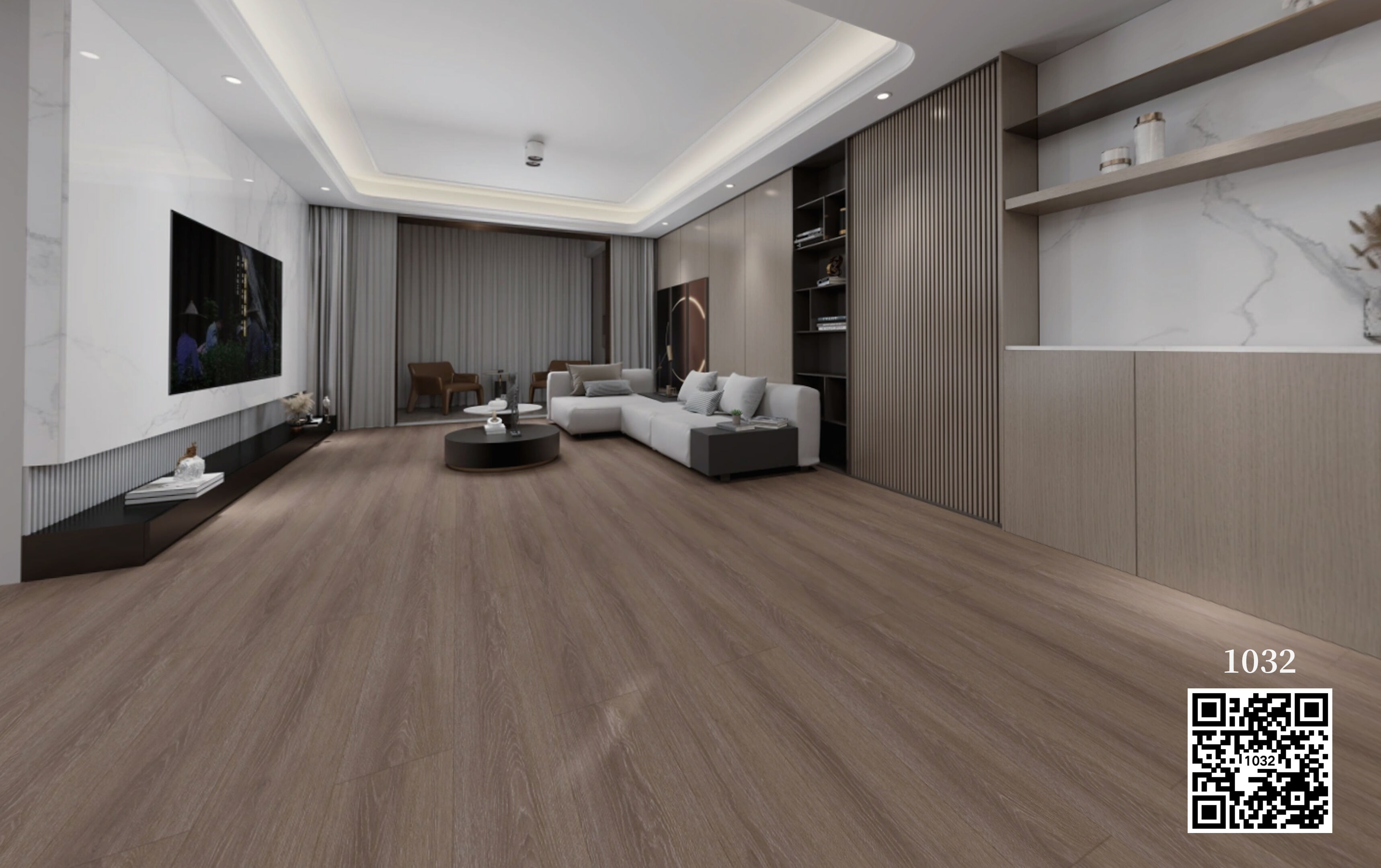
In today's competitive construction and renovation industry, efficiency and cost-effectiveness remain paramount concerns for contractors, builders, and homeowners alike. The emergence of lock the floor technology has revolutionized traditional flooring installation methods, offering unprecedented advantages in both time savings and overall project costs. This innovative approach to flooring installation eliminates many of the complexities associated with conventional methods, while delivering superior results that meet modern performance standards.
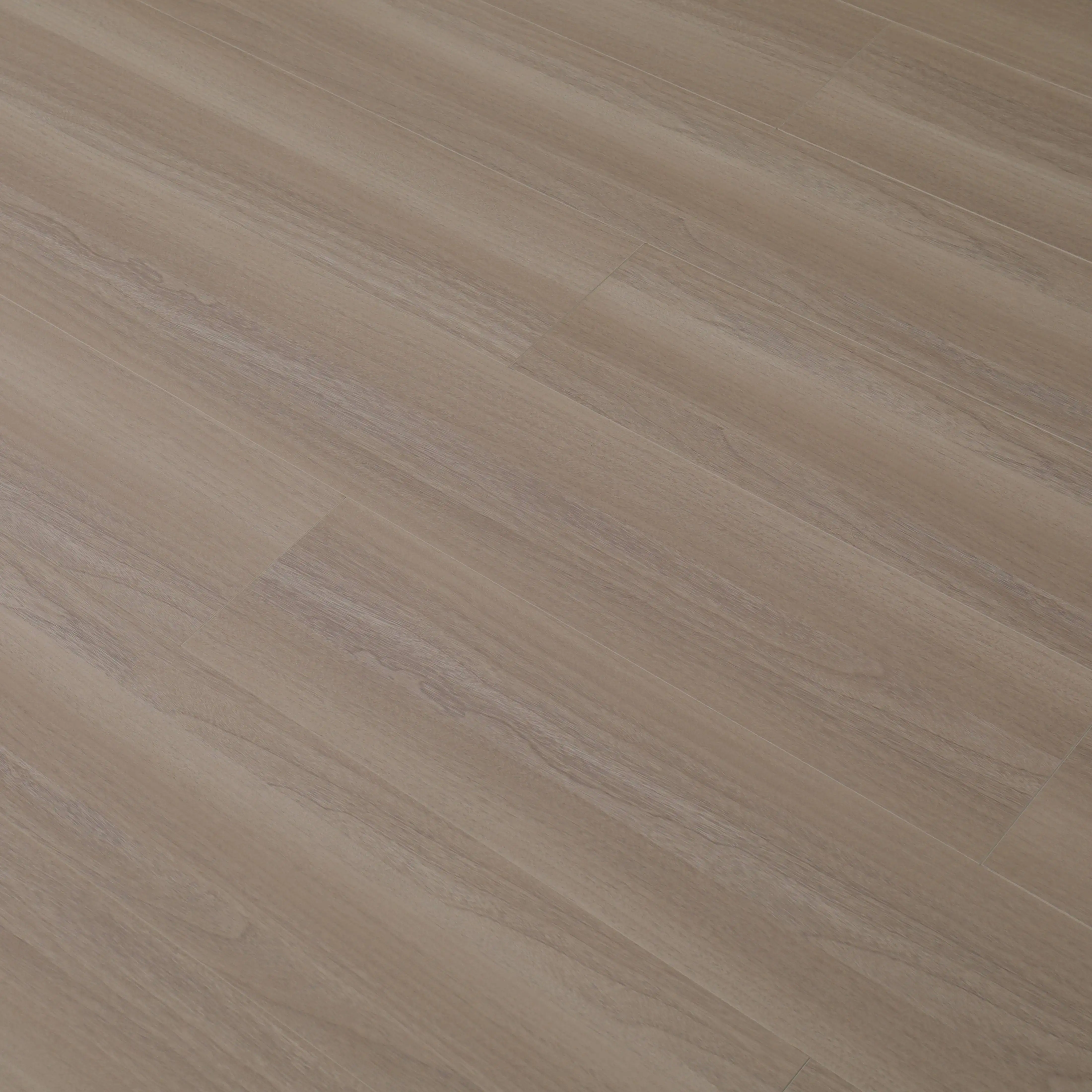
The transformation of flooring installation has been driven by technological advancements that prioritize user convenience without compromising structural integrity. Modern building projects demand solutions that can accelerate completion timelines while maintaining budget constraints, making innovative installation methods increasingly valuable. Understanding the mechanics and benefits of these advanced systems provides insight into why they have become the preferred choice for professional installers and DIY enthusiasts.
Understanding Lock Technology Mechanisms
Engineering Behind Click-Lock Systems
The foundation of lock the floor technology lies in precision-engineered interlocking mechanisms that create secure connections between individual flooring planks. These systems utilize carefully designed grooves and tongues that align perfectly during installation, forming continuous bonds that distribute weight evenly across the entire floor surface. The engineering process involves computer-controlled milling that ensures consistent tolerances, enabling seamless connections regardless of environmental conditions.
Advanced manufacturing techniques create interlocking profiles that accommodate natural wood movement while maintaining structural stability. The mechanical advantage of these systems eliminates the need for traditional fasteners in most applications, reducing material costs and installation complexity. Quality control measures during production ensure that each plank meets exacting specifications, guaranteeing reliable performance throughout the flooring's service life.
Material Science Innovations
Contemporary flooring materials incorporate sophisticated polymer compounds and engineered wood composites that enhance the effectiveness of locking mechanisms. These materials provide optimal flexibility for secure connections while maintaining dimensional stability under varying temperature and humidity conditions. The integration of moisture-resistant treatments protects both the core material and the locking system from environmental degradation.
Research and development efforts have produced hybrid materials that combine natural wood aesthetics with synthetic durability, creating products that excel in high-traffic environments. The chemical composition of modern flooring materials supports the mechanical stress requirements of interlocking systems, ensuring long-term reliability without compromising visual appeal.
Time Efficiency Advantages
Rapid Installation Process
Professional installers consistently report significant time savings when utilizing lock the floor technology compared to traditional nail-down or glue-down methods. The elimination of adhesive curing time allows for immediate project progression, enabling completion of multiple rooms within a single day. Installation teams can maintain consistent workflow without waiting periods, maximizing productive hours and reducing overall project duration.
The learning curve for mastering lock installation techniques is substantially shorter than traditional methods, allowing new team members to contribute effectively with minimal training. This accessibility reduces labor costs while maintaining installation quality, creating operational efficiencies that benefit both contractors and end users. The standardized nature of locking systems ensures consistent results across different skill levels.
Reduced Preparation Requirements
Traditional flooring installation often requires extensive subfloor preparation, including leveling compounds, moisture barriers, and adhesive application. Lock systems typically require minimal subfloor preparation beyond basic cleaning and minor leveling, eliminating time-consuming preparatory steps. The floating installation method accommodates minor subfloor imperfections without compromising performance, reducing preparation time by up to seventy percent.
Tool requirements for lock installation are significantly reduced compared to conventional methods, eliminating the need for specialized pneumatic equipment, adhesive spreaders, and extensive safety equipment. The simplified tool list enables faster setup and breakdown times, contributing to overall efficiency gains throughout the project lifecycle.
Cost Reduction Benefits
Material Cost Optimization
The elimination of adhesives, nails, and underlayment materials in many lock the floor technology applications results in substantial material cost savings. Projects utilizing these systems typically reduce material expenses by twenty to thirty percent compared to traditional installation methods. The reduced waste generation associated with precise interlocking systems further contributes to cost efficiency by minimizing material ordering requirements.
Bulk purchasing advantages become more pronounced with lock systems due to standardized dimensions and consistent quality requirements. Contractors can negotiate better pricing on larger quantities while reducing inventory management complexity. The reduced variety of supplementary materials simplifies procurement processes and reduces administrative overhead.
Labor Cost Efficiency
Reduced installation time directly translates to lower labor costs, with many projects showing labor savings of forty to fifty percent compared to traditional methods. The simplified installation process allows for larger crew productivity without requiring specialized trade skills, enabling contractors to utilize less expensive labor while maintaining quality standards. Training costs decrease significantly due to the intuitive nature of lock installation systems.
Project scheduling flexibility improves with faster installation times, allowing contractors to complete more projects within the same timeframe. This increased throughput capability enhances revenue potential while maintaining competitive pricing structures. The reduced complexity of lock systems also decreases the likelihood of installation errors that could result in costly corrections or callbacks.
Long-Term Performance Advantages
Maintenance Cost Reduction
The superior dimensional stability of lock the floor technology systems reduces maintenance requirements compared to traditional installations. The absence of adhesive bonds eliminates common failure modes associated with adhesive degradation over time. Individual plank replacement capabilities allow for targeted repairs without disturbing surrounding flooring, reducing maintenance costs and minimizing disruption to occupied spaces.
The floating installation method accommodates natural building movement without creating stress concentrations that can lead to premature failure. This flexibility extends the service life of the flooring system while maintaining aesthetic quality throughout its operational period. Regular maintenance requirements are simplified due to the seamless surface created by precision locking mechanisms.
Durability and Longevity
Advanced locking mechanisms distribute mechanical loads more effectively than traditional fastening methods, reducing localized stress that can cause premature wear or damage. The engineered connection system maintains consistent joint integrity under thermal cycling and moisture variation conditions common in residential and commercial environments. Quality lock systems demonstrate superior performance metrics in standardized durability testing protocols.
The replaceable nature of individual components in lock systems extends the overall system life by allowing selective replacement of damaged elements. This capability provides long-term cost advantages by avoiding complete floor replacement when isolated damage occurs. The modular design philosophy inherent in lock technology supports sustainable building practices through reduced waste generation.
FAQ
How much time can lock the floor technology save during installation
Professional installers typically report time savings of fifty to seventy percent when using lock the floor technology compared to traditional nail-down or glue-down methods. A standard residential room that might require eight hours with conventional methods can often be completed in three to four hours using lock systems. The elimination of adhesive curing time and reduced preparation requirements contribute significantly to these time savings, allowing contractors to complete multiple rooms or move to additional projects within the same day.
What are the main cost benefits of using locking floor systems
The primary cost benefits include reduced material expenses through elimination of adhesives and fasteners, decreased labor costs due to faster installation times, and lower long-term maintenance expenses. Projects typically see material cost reductions of twenty to thirty percent, while labor savings can reach forty to fifty percent compared to traditional methods. Additionally, the simplified tool requirements and reduced training needs contribute to overall project cost efficiency.
Can lock technology flooring be installed over existing floors
Many lock the floor technology systems can be installed directly over existing hard surface flooring, provided the existing surface is level, stable, and properly prepared. This capability eliminates costly floor removal and disposal expenses while reducing installation time significantly. However, proper assessment of the existing substrate is essential to ensure optimal performance, and some situations may require removal of existing flooring materials for best results.
How does lock technology compare to traditional installation methods in terms of durability
Lock the floor technology systems often demonstrate superior durability compared to traditional installation methods due to their floating installation design and precision-engineered connections. The mechanical locking system distributes loads more evenly and accommodates natural building movement without creating stress concentrations. Additionally, the ability to replace individual damaged planks without disturbing surrounding flooring extends the overall system life and provides long-term cost advantages through reduced maintenance requirements.