 EN
EN


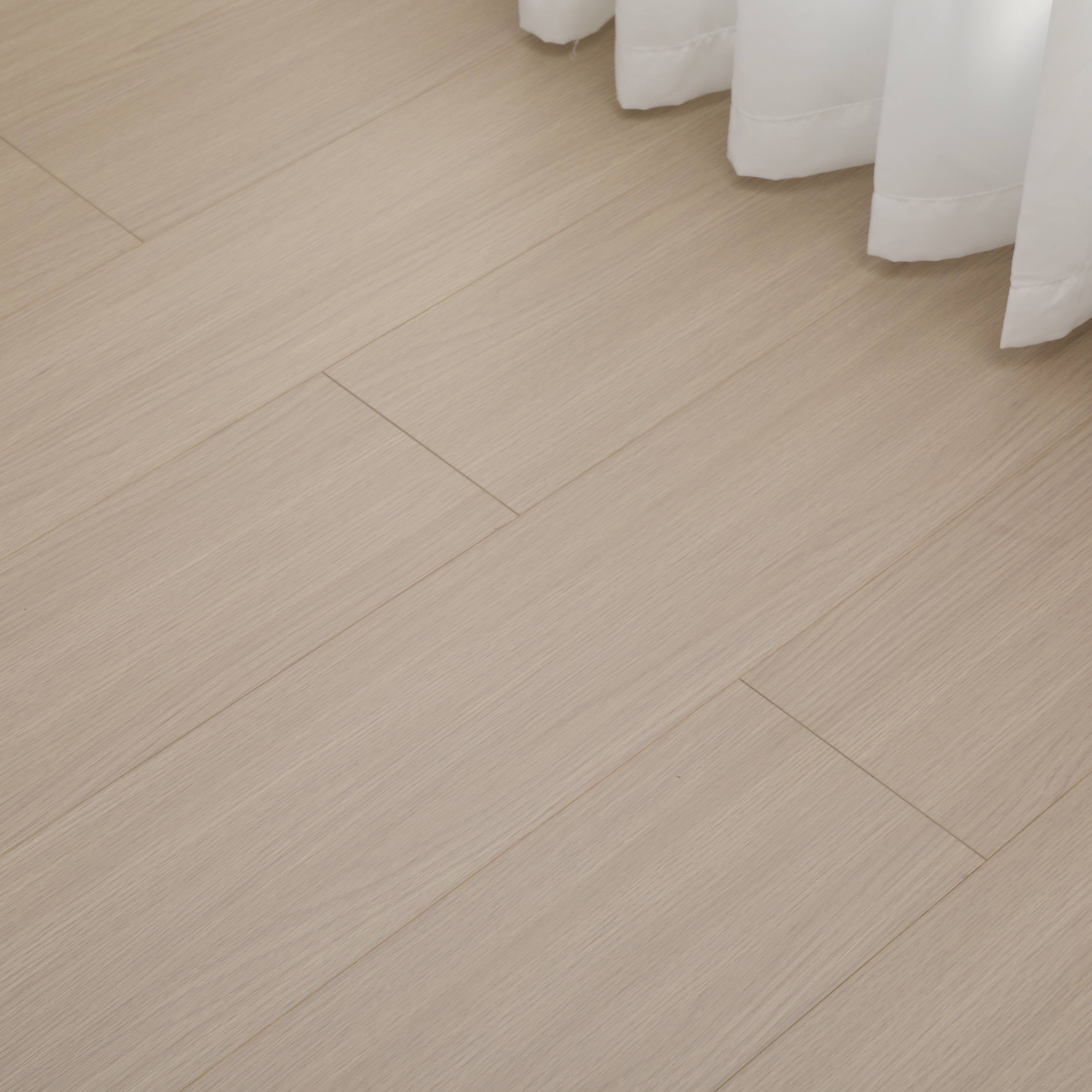
Modern workspaces demand flooring solutions that go beyond aesthetic appeal to deliver exceptional cleanliness and maintenance efficiency. An anti-fouling floor represents a revolutionary approach to commercial and industrial flooring, incorporating advanced surface technologies that resist stains, repel contaminants, and maintain pristine conditions with minimal effort. These specialized flooring systems have become indispensable in environments where hygiene standards are paramount, from healthcare facilities to food processing plants and corporate offices. The integration of anti-fouling properties into flooring materials addresses the growing need for sustainable, cost-effective maintenance solutions that protect both human health and operational efficiency.
The significance of implementing anti-fouling floor solutions extends far beyond surface-level cleanliness, encompassing comprehensive workplace health management and operational cost reduction. These advanced flooring systems utilize cutting-edge material science to create surfaces that actively resist bacterial growth, prevent stain penetration, and facilitate rapid cleaning protocols. Understanding the multifaceted benefits of anti-fouling flooring technology is essential for facility managers, architects, and business owners seeking to optimize their workspace environments while ensuring compliance with stringent hygiene regulations.
Understanding Anti-Fouling Floor Technology
Surface Chemistry and Material Innovation
The foundation of effective anti-fouling floor performance lies in sophisticated surface chemistry that manipulates molecular interactions between contaminants and flooring materials. Advanced polymer treatments create microscopic surface structures that prevent organic and inorganic substances from adhering permanently to the floor surface. These treatments often incorporate hydrophobic and oleophobic properties, creating a dual-action barrier against both water-based and oil-based contaminants that commonly plague workplace environments.
Nanotechnology plays a crucial role in modern anti-fouling floor formulations, with engineered nanoparticles embedded within the surface matrix to provide long-lasting protection. These microscopic particles create a self-cleaning effect by reducing surface tension and promoting the natural removal of contaminants through regular cleaning procedures. The result is a flooring surface that maintains its anti-fouling properties throughout its operational lifespan without requiring frequent reapplication of protective treatments.
Structural Design Considerations
The physical architecture of anti-fouling floor systems incorporates specific design elements that enhance their contamination resistance capabilities. Surface texturing plays a vital role, with precisely controlled micro-patterns that minimize contact area between contaminants and the floor surface while maintaining appropriate slip resistance for safety. These patterns are engineered to facilitate efficient cleaning by preventing the accumulation of debris in surface irregularities.
Multi-layer construction techniques further enhance anti-fouling performance by incorporating specialized barrier layers beneath the surface coating. These subsurface layers provide additional protection against deep contamination penetration and ensure that the flooring system maintains its anti-fouling characteristics even under heavy use conditions. The integration of antimicrobial agents within these layers creates a comprehensive defense system against biological contamination.
Health and Safety Benefits
Microbial Contamination Control
One of the most significant advantages of implementing an anti-fouling floor system is its ability to actively combat microbial contamination in workplace environments. These specialized surfaces inhibit the growth and proliferation of bacteria, viruses, fungi, and other pathogenic organisms that can pose serious health risks to employees and visitors. The antimicrobial properties are integrated at the molecular level, ensuring continuous protection without the need for constant chemical applications.
Research has demonstrated that anti-fouling floor surfaces can reduce microbial colony formation by up to 99.9% compared to conventional flooring materials. This dramatic reduction in pathogenic organisms translates directly into improved indoor air quality, reduced transmission of infectious diseases, and enhanced overall workplace health standards. The consistent antimicrobial action provides particular benefits in high-traffic areas where traditional cleaning methods may be insufficient to maintain optimal hygiene levels.
Allergen and Chemical Resistance
Anti-fouling floor systems excel in preventing the accumulation of common workplace allergens, including dust mites, pollen, and organic debris that can trigger respiratory sensitivities. The smooth, non-porous surface characteristics prevent these allergens from becoming embedded in the flooring material, making them easily removable through routine cleaning procedures. This capability is particularly valuable in office environments where employee comfort and productivity depend on maintaining allergen-free conditions.
Chemical resistance represents another critical health and safety benefit of anti-fouling flooring technology. These surfaces can withstand exposure to various cleaning agents, disinfectants, and accidental chemical spills without degrading or absorbing harmful substances. This resistance prevents the gradual accumulation of chemical residues that could pose long-term health risks to building occupants while maintaining the flooring's structural integrity and performance characteristics.
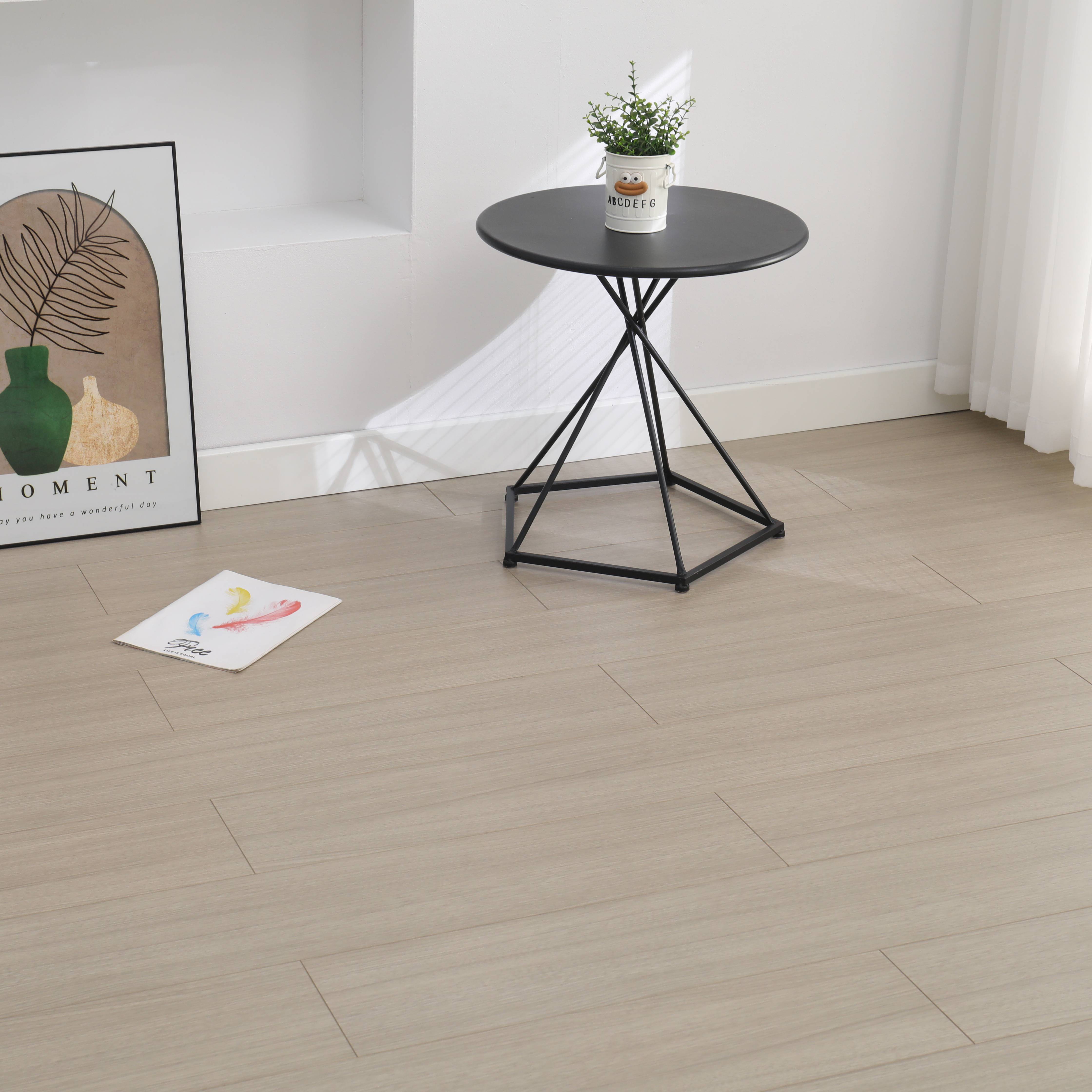
Operational Efficiency and Maintenance Advantages
Reduced Cleaning Requirements
The implementation of anti-fouling floor systems dramatically reduces the time, labor, and resources required for maintaining clean workspace conditions. Traditional flooring materials often require intensive scrubbing, specialized cleaning equipment, and frequent deep-cleaning procedures to remove stubborn stains and embedded contaminants. Anti-fouling surfaces eliminate many of these challenges by preventing contamination from adhering in the first place, allowing for quick and efficient cleaning with minimal effort.
Studies conducted in commercial facilities have shown that anti-fouling floor installations can reduce cleaning time by 40-60% compared to conventional flooring materials. This efficiency gain translates into significant cost savings on janitorial services, cleaning supplies, and equipment maintenance while allowing cleaning staff to focus their efforts on other critical areas of the facility. The reduced cleaning frequency also minimizes disruption to normal business operations.
Long-Term Cost Effectiveness
While the initial investment in anti-fouling floor systems may exceed that of conventional flooring options, the long-term economic benefits provide substantial return on investment. Reduced maintenance costs, extended flooring lifespan, and decreased replacement frequency contribute to lower total cost of ownership over the facility's operational life. The durability of anti-fouling treatments ensures consistent performance for many years without requiring costly reapplication or refinishing procedures.
Energy savings represent an additional economic benefit, as anti-fouling floors often require less intensive cleaning procedures that consume reduced amounts of hot water, electricity, and ventilation. The improved hygiene standards may also contribute to reduced employee sick days and improved productivity, providing indirect but measurable economic advantages that enhance the overall value proposition of anti-fouling floor investments.
Industry-Specific Applications
Healthcare and Medical Facilities
Healthcare environments demand the highest standards of cleanliness and contamination control, making anti-fouling floor systems essential for patient safety and regulatory compliance. These facilities face constant exposure to biological contaminants, medical waste, and pharmaceutical substances that can pose serious health risks if not properly contained. Anti-fouling flooring provides a critical barrier against cross-contamination while facilitating the rapid disinfection procedures required in medical settings.
Operating rooms, patient care areas, and laboratory spaces benefit particularly from anti-fouling floor installations due to their ability to maintain sterile conditions under demanding use conditions. The seamless, non-porous surface characteristics prevent the harboring of pathogens in floor joints or surface irregularities, supporting infection control protocols and meeting stringent healthcare facility standards.
Food Processing and Commercial Kitchens
Food service and processing facilities require flooring solutions that can withstand frequent washdowns, resist organic contamination, and maintain food safety standards throughout demanding operational schedules. Anti-fouling floor systems provide ideal solutions for these environments by combining slip resistance with contamination prevention capabilities. The ability to resist oils, fats, and organic acids common in food processing prevents the development of hazardous conditions while maintaining regulatory compliance.
Temperature fluctuations and aggressive cleaning chemicals used in food facilities can quickly degrade conventional flooring materials, leading to surface damage that compromises hygiene standards. Anti-fouling floors maintain their protective properties under these harsh conditions, providing consistent performance that supports food safety protocols and extends operational lifespan despite challenging environmental conditions.
Installation and Performance Considerations
Surface Preparation and Application Methods
Successful implementation of anti-fouling floor systems requires careful attention to substrate preparation and application procedures to ensure optimal performance and longevity. The existing floor surface must be thoroughly cleaned, repaired, and properly primed to create ideal conditions for anti-fouling coating adhesion. Surface contamination, moisture, or structural defects can compromise the effectiveness of anti-fouling treatments and lead to premature failure.
Professional installation techniques vary depending on the specific anti-fouling floor system selected, with some requiring specialized equipment or environmental controls during application. Temperature, humidity, and ventilation conditions must be carefully managed throughout the installation process to ensure proper curing and maximum performance characteristics. Quality control measures during installation include adhesion testing, thickness verification, and surface inspection to confirm that anti-fouling properties meet specification requirements.
Performance Monitoring and Quality Assurance
Ongoing performance monitoring ensures that anti-fouling floor systems continue to deliver expected contamination resistance and cleaning efficiency throughout their operational lifespan. Regular testing protocols can measure antimicrobial effectiveness, surface integrity, and cleaning performance to identify any degradation in anti-fouling capabilities before they impact facility hygiene standards.
Preventive maintenance programs help preserve anti-fouling floor performance by addressing minor issues before they develop into major problems. These programs typically include periodic surface inspection, gentle cleaning protocol verification, and protective coating touch-ups as needed to maintain optimal contamination resistance characteristics.
Future Developments and Innovations
Smart Floor Technology Integration
Emerging technologies are expanding the capabilities of anti-fouling floor systems through the integration of smart sensors and monitoring capabilities. These advanced systems can provide real-time feedback on contamination levels, cleaning effectiveness, and surface condition to optimize maintenance schedules and ensure consistent hygiene standards. Internet of Things connectivity enables remote monitoring and automated reporting that supports proactive facility management approaches.
Predictive maintenance capabilities represent another frontier in anti-fouling floor technology, using data analytics to anticipate when cleaning or maintenance interventions will be needed. This approach maximizes the efficiency of facility management resources while ensuring that anti-fouling performance remains at peak levels throughout the flooring system's operational life.
Sustainable and Eco-Friendly Formulations
Environmental sustainability concerns are driving the development of eco-friendly anti-fouling floor formulations that deliver superior contamination resistance without relying on harmful chemicals or non-renewable materials. Bio-based polymers and naturally-derived antimicrobial compounds offer promising alternatives to traditional synthetic formulations while maintaining the performance characteristics required for demanding workplace applications.
Recycling and end-of-life considerations are becoming increasingly important factors in anti-fouling floor system design, with manufacturers developing solutions that can be safely disposed of or repurposed when replacement becomes necessary. These sustainable approaches align with corporate environmental responsibility goals while delivering the contamination control benefits essential for modern workspace management.
FAQ
How long do anti-fouling floor treatments typically last in high-traffic commercial environments
Anti-fouling floor treatments in commercial settings typically maintain their effectiveness for 5-10 years depending on traffic levels, cleaning protocols, and environmental conditions. High-quality systems with proper installation and maintenance can often exceed these timeframes, with some premium formulations designed to last 15-20 years. Regular performance monitoring helps determine when reapplication or renewal may be beneficial to maintain optimal contamination resistance.
Can anti-fouling floors be installed over existing flooring materials
Many anti-fouling floor systems can be applied over existing flooring materials provided the substrate is structurally sound, properly prepared, and compatible with the selected treatment. Concrete, ceramic tile, and some resilient flooring materials typically provide suitable substrates after appropriate cleaning and priming procedures. However, severely damaged or unsuitable existing floors may require removal or extensive preparation work before anti-fouling installation can proceed.
What maintenance procedures are recommended for preserving anti-fouling floor performance
Maintaining anti-fouling floor performance requires following manufacturer-recommended cleaning protocols that typically involve daily sweeping or dust mopping, periodic damp mopping with approved cleaning solutions, and avoiding harsh chemicals or abrasive cleaning methods that could damage the anti-fouling surface. Regular inspection for wear patterns or damage helps identify areas that may need attention, while professional deep cleaning services may be beneficial on a scheduled basis to maximize longevity.
Are anti-fouling floors suitable for all types of workplace environments
Anti-fouling floors are suitable for most workplace environments, but specific formulations should be selected based on the particular contamination challenges and operational requirements of each facility. Healthcare, food service, manufacturing, and office environments each have unique needs that can be addressed through appropriate anti-fouling floor system selection. Consultation with flooring specialists helps ensure that the chosen solution matches the specific performance requirements and regulatory standards applicable to each workspace type.
Table of Contents
- Understanding Anti-Fouling Floor Technology
- Health and Safety Benefits
- Operational Efficiency and Maintenance Advantages
- Industry-Specific Applications
- Installation and Performance Considerations
- Future Developments and Innovations
-
FAQ
- How long do anti-fouling floor treatments typically last in high-traffic commercial environments
- Can anti-fouling floors be installed over existing flooring materials
- What maintenance procedures are recommended for preserving anti-fouling floor performance
- Are anti-fouling floors suitable for all types of workplace environments