 EN
EN


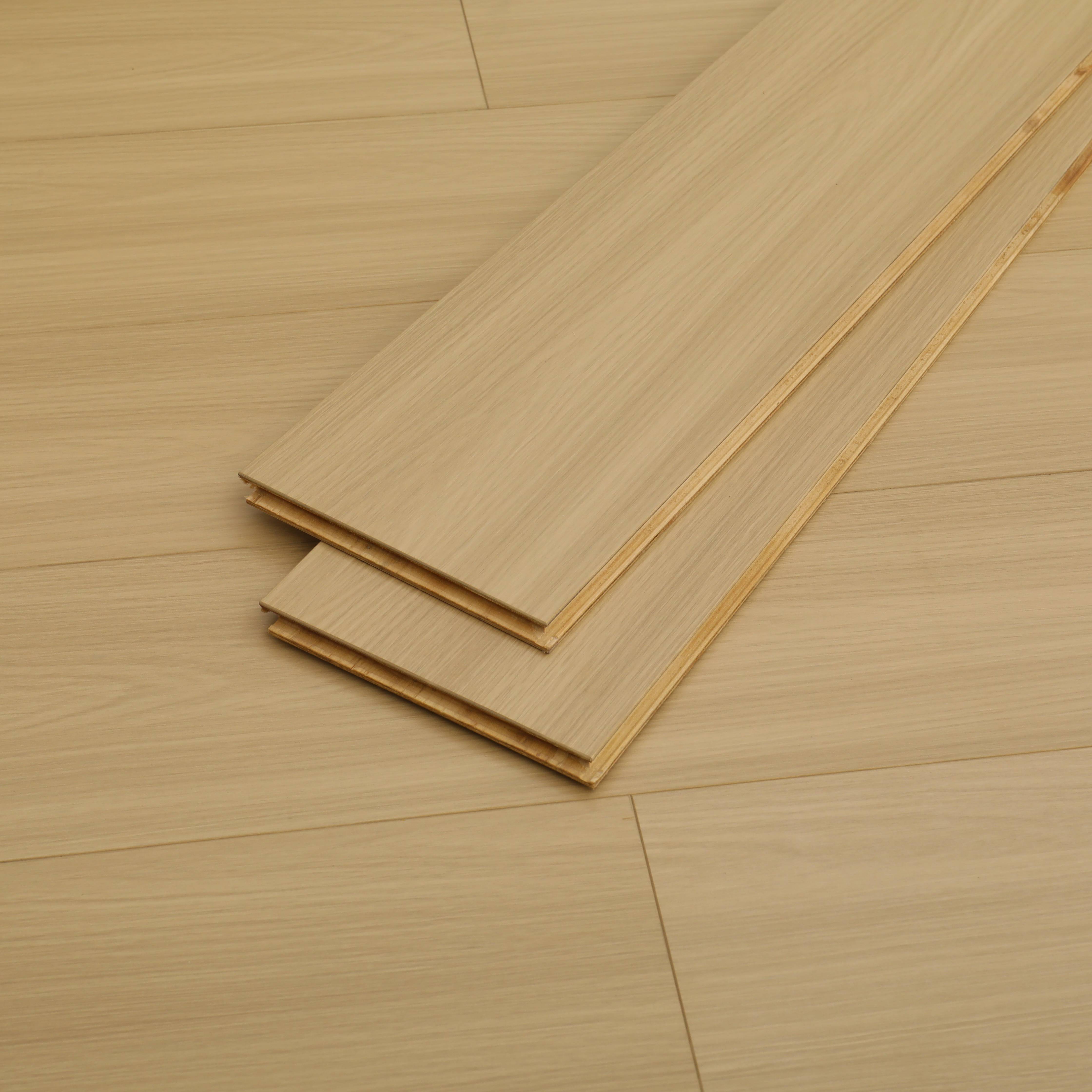
High-traffic areas in commercial and residential spaces present unique challenges for flooring solutions, demanding materials that can withstand constant wear while maintaining aesthetic appeal and structural integrity. Traditional flooring installation methods often rely on adhesives that can fail under stress, create maintenance complications, and limit future renovation flexibility. Understanding why glue-free flooring has emerged as the preferred choice for these demanding environments requires examining the fundamental advantages this innovative approach provides over conventional adhesive-based systems.
The demands of high-traffic environments expose the limitations of traditional adhesive installations, making glue-free flooring systems increasingly valuable for property managers, facility directors, and homeowners seeking long-term performance solutions. These areas experience constant foot traffic, equipment movement, temperature fluctuations, and cleaning protocols that can compromise adhesive bonds over time. Glue-free flooring addresses these challenges through mechanical locking systems that maintain stability without relying on chemical adhesion, offering superior durability and adaptability in demanding applications.
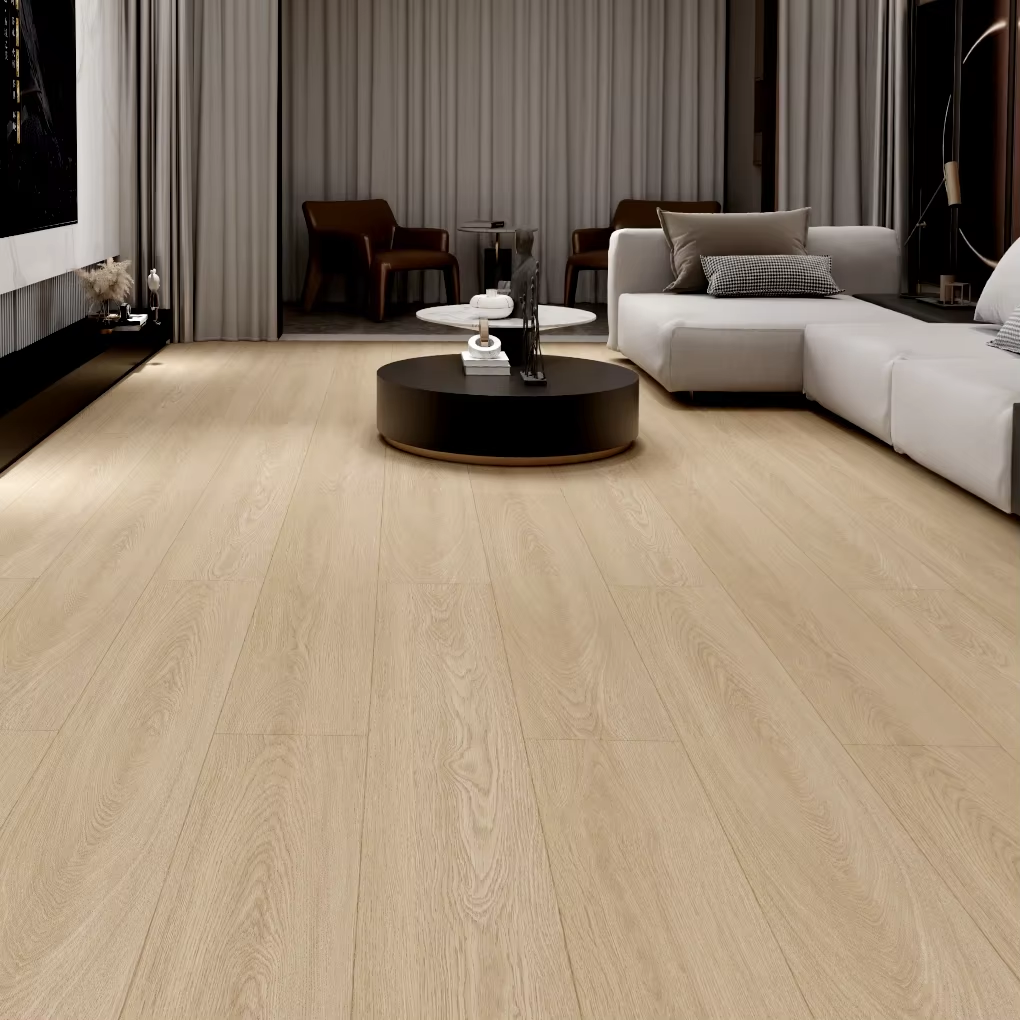
Superior Durability Under Constant Stress
Mechanical Lock Integrity in High-Traffic Conditions
Glue-free flooring systems utilize precision-engineered locking mechanisms that create secure connections between planks without depending on adhesive bonds that can deteriorate under stress. These mechanical connections distribute load forces across multiple connection points, preventing the concentrated stress that often causes adhesive failures in high-traffic areas. The interlocking design allows individual planks to move slightly with building settlement and thermal expansion while maintaining overall floor stability.
Traditional adhesive installations create rigid bonds that can crack or separate when subjected to repeated impact loads, temperature cycling, and structural movement common in busy commercial spaces. Glue-free flooring accommodates these dynamic conditions through flexible connections that absorb stress without compromising the installation integrity. This mechanical advantage becomes particularly evident in areas like retail stores, office lobbies, and healthcare facilities where continuous foot traffic creates ongoing structural challenges.
Resistance to Adhesive Degradation Factors
High-traffic environments often involve cleaning protocols, temperature variations, and moisture exposure that can compromise adhesive performance over time. Chemical cleaners, floor waxes, and sanitizing solutions used in commercial settings can penetrate adhesive bonds, causing gradual weakening and eventual failure. Glue-free flooring eliminates this vulnerability by removing adhesive dependency entirely, ensuring consistent performance regardless of cleaning regimens or chemical exposure.
Temperature fluctuations in high-traffic areas, particularly those with large windows or frequent door openings, create expansion and contraction cycles that stress adhesive connections. Glue-free flooring systems accommodate these thermal movements through designed tolerances in the locking mechanisms, preventing the buckling or separation that often occurs with rigidly adhered installations. This thermal adaptability ensures long-term performance in environments with variable climate conditions.
Enhanced Maintenance and Longevity Benefits
Simplified Repair and Replacement Procedures
High-traffic areas inevitably experience localized damage that requires repair or replacement of individual flooring elements. Glue-free flooring systems allow for selective plank removal and replacement without disturbing surrounding areas or requiring adhesive removal and reapplication. This capability significantly reduces maintenance costs and downtime in commercial environments where continuous operation is essential.
The modular nature of glue-free flooring enables facility managers to maintain inventory of matching planks for immediate repairs, avoiding the delays and complications associated with adhesive-based repairs. Emergency repairs can be completed quickly without specialized tools or curing time, minimizing disruption to business operations. This maintenance advantage becomes particularly valuable in high-traffic retail environments, hospitals, and educational facilities where operational continuity is critical.
Long-Term Performance Stability
Glue-free flooring maintains consistent performance characteristics throughout its service life because mechanical connections do not degrade like chemical adhesives. While traditional adhesive bonds may weaken over years of use, causing progressive floor instability, glue-free systems retain their original connection strength indefinitely when properly installed. This stability translates to predictable maintenance schedules and reliable long-term performance in demanding applications.
The absence of adhesive curing variables eliminates installation inconsistencies that can affect long-term performance. Glue-free flooring installations achieve full structural integrity immediately upon completion, without the vulnerability periods associated with adhesive curing. This immediate stability is particularly beneficial in high-traffic commercial environments where flooring must perform reliably from the moment installation is complete.
Installation Efficiency and Environmental Advantages
Reduced Installation Time and Complexity
High-traffic commercial spaces often require flooring installations to be completed during limited downtime windows to minimize business disruption. Glue-free flooring systems significantly reduce installation time by eliminating adhesive application, spreading, and curing requirements. Installers can work more efficiently without concerns about adhesive working time, environmental conditions affecting cure rates, or cleanup procedures for excess adhesive.
The streamlined installation process allows projects to be completed faster, reducing labor costs and minimizing the duration of business interruptions. Glue-free flooring can often be installed and immediately ready for use, unlike adhesive installations that require curing time before areas can be reopened to traffic. This installation efficiency provides significant value in commercial environments where downtime directly impacts revenue generation.
Environmental and Health Benefits
Glue-free flooring eliminates the volatile organic compound emissions associated with flooring adhesives, creating healthier indoor air quality in high-traffic spaces. This advantage is particularly important in healthcare facilities, schools, and office buildings where occupant health is a primary concern. The absence of adhesive vapors during and after installation ensures that spaces can be occupied immediately without air quality concerns.
The environmental benefits extend beyond installation, as glue-free flooring systems are more easily recyclable at the end of their service life. Without adhesive contamination, individual planks can be separated and processed for recycling more efficiently than adhesive-bonded installations. This sustainability advantage aligns with green building initiatives and corporate environmental responsibility programs increasingly important in commercial property management.
Cost-Effectiveness and Economic Value
Reduced Total Cost of Ownership
While glue-free flooring may have higher initial material costs compared to some traditional options, the total cost of ownership often favors glue-free systems in high-traffic applications. The elimination of adhesive costs, reduced installation labor, and simplified maintenance procedures create significant long-term savings. These economic advantages become more pronounced in commercial environments where maintenance efficiency directly impacts operational costs.
The ability to perform selective repairs without full section replacement reduces ongoing maintenance expenses substantially. High-traffic areas that might require periodic adhesive floor repairs or complete reinstallation can benefit from the modular repair capabilities of glue-free flooring systems. This repair efficiency translates to lower maintenance costs and reduced disruption to business operations over the flooring lifecycle.
Value in High-Turnover Commercial Spaces
Commercial spaces with frequent tenant changes or renovation requirements benefit significantly from glue-free flooring systems. The ability to remove and relocate flooring without damage enables property owners to adapt spaces quickly for new tenants or changed usage requirements. This flexibility provides economic value in retail, office, and hospitality environments where space reconfiguration is common.
Glue-free flooring systems can often be disassembled and reinstalled in new configurations, providing asset value that adhesive installations cannot match. This reusability factor makes glue-free flooring particularly attractive for temporary installations, trade show environments, and commercial spaces with evolving layout requirements. The economic benefits of this flexibility often justify any premium in initial material costs.
Performance Characteristics for Demanding Applications
Load Distribution and Structural Stability
High-traffic areas often experience concentrated loads from heavy equipment, furniture, and high-density occupancy that can stress flooring installations. Glue-free flooring systems distribute these loads through their interlocking mechanisms, spreading forces across multiple connection points rather than concentrating stress on adhesive bonds. This load distribution capability prevents the localized failures that can occur with adhesive installations under heavy use.
The mechanical connection systems used in glue-free flooring are engineered to handle both vertical and lateral forces common in commercial environments. Unlike adhesive bonds that primarily resist vertical separation, mechanical locks can accommodate multi-directional stresses from equipment movement, furniture sliding, and dynamic loading conditions typical in high-traffic spaces.
Moisture and Chemical Resistance
High-traffic commercial environments often involve frequent cleaning, spill management, and moisture exposure that can compromise adhesive installations. Glue-free flooring systems eliminate the adhesive vulnerability to moisture infiltration and chemical cleaning agents, providing more reliable performance in demanding hygiene environments. This resistance is particularly valuable in healthcare facilities, food service areas, and educational institutions where rigorous cleaning protocols are required.
The absence of adhesive joints reduces the pathways for moisture and contaminants to compromise the installation integrity. Glue-free flooring maintains its structural performance even when exposed to cleaning solutions, sanitizers, and occasional flooding conditions that might damage adhesive-based installations. This chemical resistance ensures consistent performance throughout the service life in challenging commercial applications.
FAQ
How does glue-free flooring perform compared to traditional adhesive installations in areas with heavy foot traffic?
Glue-free flooring typically outperforms adhesive installations in heavy foot traffic areas because mechanical locking systems distribute stress more effectively than chemical adhesive bonds. While adhesives can fail under repeated impact and thermal cycling, mechanical connections maintain their integrity indefinitely when properly installed, providing more reliable long-term performance in demanding commercial environments.
Can glue-free flooring systems handle the cleaning requirements of high-traffic commercial spaces?
Yes, glue-free flooring systems are well-suited for rigorous commercial cleaning protocols because they eliminate adhesive vulnerability to chemical cleaners and moisture infiltration. The mechanical connections are not affected by sanitizers, floor waxes, or cleaning solutions that can gradually weaken adhesive bonds, making them ideal for healthcare facilities, schools, and retail environments with intensive maintenance requirements.
What are the long-term maintenance advantages of glue-free flooring in high-traffic areas?
Glue-free flooring offers significant maintenance advantages including selective plank replacement without disturbing surrounding areas, elimination of adhesive degradation issues, and immediate repair completion without curing time. These benefits reduce maintenance costs, minimize downtime, and provide predictable long-term performance that is particularly valuable in commercial environments where operational continuity is essential.
Is glue-free flooring more cost-effective than traditional options for high-traffic commercial applications?
While initial material costs may be higher, glue-free flooring often provides better total cost of ownership in high-traffic applications due to reduced installation time, elimination of adhesive costs, simplified maintenance procedures, and the ability to relocate or reconfigure installations. The long-term economic benefits typically justify any premium in initial investment, particularly in commercial environments with frequent layout changes or high maintenance requirements.
Table of Contents
- Superior Durability Under Constant Stress
- Enhanced Maintenance and Longevity Benefits
- Installation Efficiency and Environmental Advantages
- Cost-Effectiveness and Economic Value
- Performance Characteristics for Demanding Applications
-
FAQ
- How does glue-free flooring perform compared to traditional adhesive installations in areas with heavy foot traffic?
- Can glue-free flooring systems handle the cleaning requirements of high-traffic commercial spaces?
- What are the long-term maintenance advantages of glue-free flooring in high-traffic areas?
- Is glue-free flooring more cost-effective than traditional options for high-traffic commercial applications?