 EN
EN


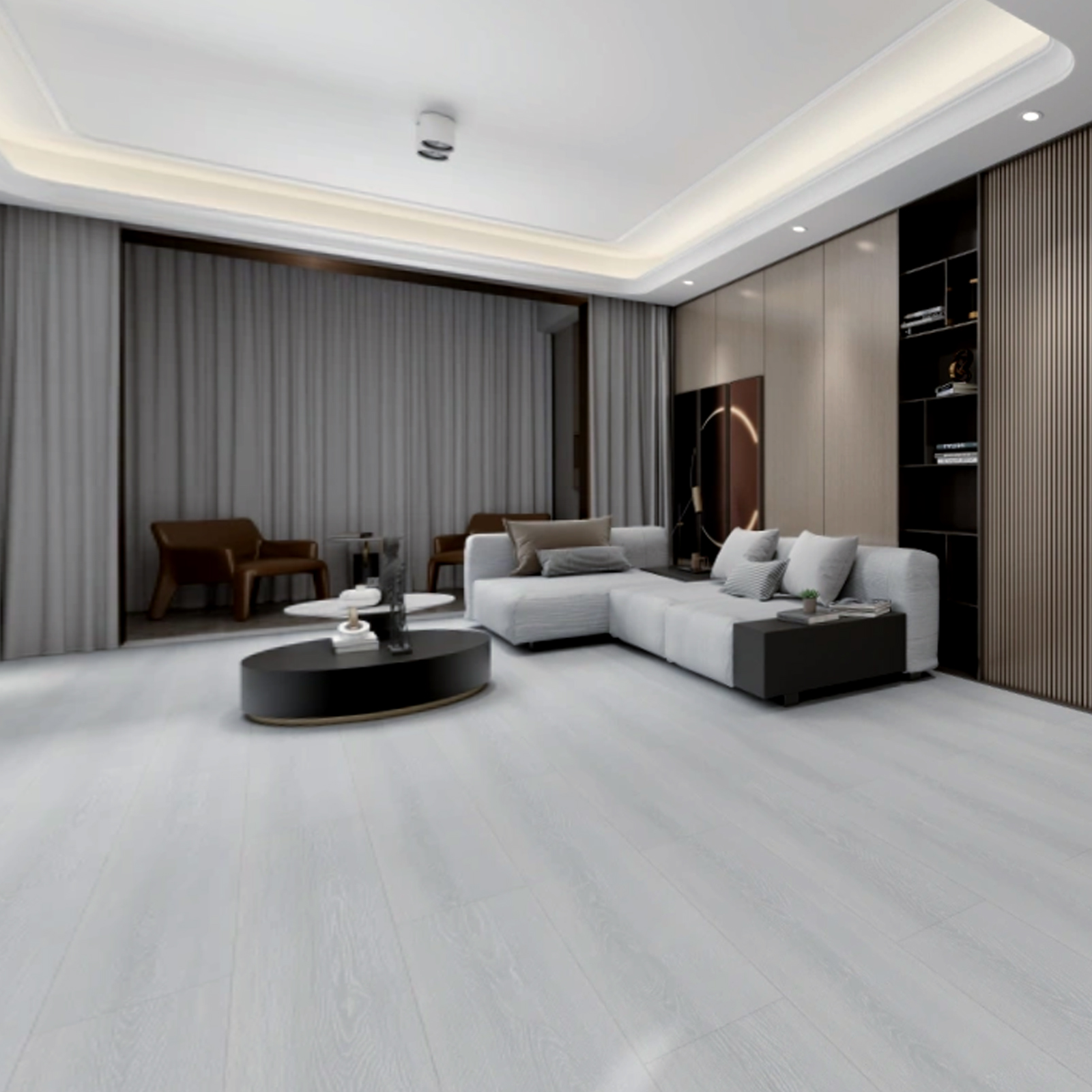
Ang mga modernong pasilidad sa industriya at komersyal na kapaligiran ay nakakaranas ng tumataas na mga hamon sa pagprotekta sa mga sensitibong kagamitang elektroniko laban sa pinsala dulot ng electrostatic discharge. Ang paggamit ng mga angkop na solusyon para sa anti-static na sahig ay naging mahalaga upang mapanatili ang integridad ng operasyon at maiwasan ang mahal na pagkabigo ng kagamitan. Ang mga espesyalisadong sistema ng sahig na ito ay lumilikha ng kontroladong kapaligiran na epektibong nagpapawala ng static electricity, na nagsisigurado sa kaligtasan ng parehong mga tauhan at mahahalagang bahagi ng elektroniko sa iba't ibang industriya.
Ang mga pasilidad sa pagmamanupaktura ng elektroniko, mga sentro ng data, at mga laboratoryo sa pananaliksik ay nangangailangan ng komprehensibong proteksyon laban sa pag-akumula ng kuryenteng istatiko na maaaring sirain ang mga sensitibong bahagi na may halagang libo-libong dolyar. Ang mga propesyonal na sistema ng sahig na anti-istatiko ay nagbibigay-daan para sa paglikha ng mga kontroladong kapaligiran kung saan ang mga panganib dulot ng electrostatic discharge (ESD) ay nababawasan sa pamamagitan ng tamang pag-ground at pamamahala ng conductivity. Ang estratehikong pagpili at instalasyon ng angkop na materyales para sa sahig ay direktang nakaaapekto sa haba ng buhay ng kagamitan at sa pagiging maaasahan ng operasyon.
Pag-unawa sa mga Panganib Dulot ng Kuryenteng Istatiko sa mga Kapaligirang Elektroniko
Mga Pinagmulan ng Pagkabuo ng Kuryenteng Istatiko
Ang akumulasyon ng static na kuryente ay nangyayari sa pamamagitan ng iba't ibang mekanismo sa loob ng mga industriyal at komersyal na setting, pangunahin sa pamamagitan ng friction sa pagitan ng iba't ibang materyales at ibabaw. Ang paggalaw ng mga tauhan sa mga tradisyonal na materyales sa sahig ay lumilikha ng mga makabuluhang electrostatic charge, lalo na sa mga kapaligirang mababa ang humidity kung saan ang mga antas ng kahalumigmigan ay hindi sapat upang natural na mailabas ang mga naipon na charge. Ang operasyon ng kagamitan, paghawak ng materyal, at mga sistema ng paggalaw ng hangin ay nag-aambag ng karagdagang mga mapagkukunan ng static generation na nangangailangan ng aktibong pamamahala sa pamamagitan ng wastong mga solusyon sa sahig.
Ang mga kadahilanan sa kapaligiran tulad ng pagbabago ng temperatura at antas ng relatibong kahalumigmigan ay malaki ang naitutulong sa bilis ng pagbuo ng istatikong kuryente sa loob ng mga saradong espasyo. Ang mga sintetikong materyales na karaniwang ginagamit sa mga kasangkapan, sahig na carpet, at pananamit ay nagpapalakas ng pag-akumula ng karga kapag ang mga indibidwal ay nakikipag-ugnayan sa mga ibabaw na ito habang ginagawa ang kanilang pang-araw-araw na gawain. Ang pag-unawa sa mga mekanismo ng pagbuo na ito ay nagbibigay-daan sa mga namamahala ng pasilidad na magpatupad ng mga angkop na estratehiya para sa sahig na anti-istatiko upang tugunan ang mga tiyak na panganib na umiiral sa kanilang operasyonal na kapaligiran.
Kahinaan ng mga Komponente ng Elektroniko
Ang mga sensitibong elektronikong komponente ay nagpapakita ng iba't ibang antas ng kahinaan sa pinsala dulot ng electrostatic discharge (ESD), kung saan ang ilang device ay lubos na nabigo pagkatapos mag-expose sa mga singil na kasingmababa lamang ng 100 volts. Ang mga microprocessor, integrated circuits, at memory modules ay mga partikular na madaling kapitan ng pinsala na nangangailangan ng mahigpit na mga hakbang sa proteksyon habang ginagawa, binubuo, at ginagamit. Ang di-nakikita na kalikasan ng electrostatic discharge ay nagpapahirap sa pagkakakita nito hanggang sa mangyari na ang permanenteng pinsala sa mahal na kagamitan.
Ang mga modernong elektronikong device ay naglalaman ng palaging lumalaking maliit na mga geometry ng circuit na nagpapataas ng sensitibidad sa kuryenteng istatiko, kaya't ang komprehensibong proteksyon ay naging mas mahalaga kaysa dati. Ang mga pagkabigo ng komponente dahil sa hindi sapat na kontrol sa kuryenteng istatiko ay maaaring mangyari agad o unti-unting lumitaw sa paglipas ng panahon, na humahantong sa hindi inaasahang paghinto ng operasyon at sa mahal na pangangailangan ng kapalit. Ang tamang pag-install ng sahig na anti-istatiko ay nagbibigay ng unang linya ng depensa laban sa mga pangkaraniwang banta na ito sa integridad ng mga elektronikong kagamitan.
Teknolohiya at Materyales para sa Sahig na Anti-Istatiko
Mga Sistema ng Konduktibong Sahig
Ang mga materyales para sa sahig na may kakayahang mag-conduct at anti-static ay naglalaman ng mga espesyalisadong compound na nagbibigay ng kontroladong mga landas ng kuryente para sa pagkalat ng static charge patungo sa mga koneksyon sa lupa. Ang mga sistemang ito ay karaniwang may mga halaga ng resistance sa pagitan ng 25,000 at 1,000,000 ohms, na nagpapahintulot sa ligtas na paglipat ng charge habang pinipigilan ang panganib ng suntok sa mga tauhan. Ang propesyonal na pag-install ay nangangailangan ng tamang mga network ng grounding at pagsusuri ng resistance upang matiyak ang pare-parehong pagganap sa buong ibabaw ng sahig.
Ang mga advanced na formulation ng conductive flooring ay gumagamit ng carbon-based additives at metallic fibers upang makamit ang tiyak na mga katangian ng kuryente habang pinapanatili ang tibay at estetikong atractibo. Ang pantay na distribusyon ng mga conductive element sa buong kapal ng materyal ay nagagarantiya ng katatagan ng pangmatagalang pagganap kahit sa ilalim ng mabigat na daloy ng tao. Kalidad anti-static na sahig ang mga sistema ay sumasailalim sa mahigpit na pagsusuri upang mapatunayan ang pagganap sa larangan ng kuryente at ang pagkakasunod sa mga pamantayan ng industriya para sa mga aplikasyon ng proteksyon sa electronic devices.
Mga Opisyon para sa Static Dissipative
Ang static dissipative na anti-static na sahig ay nagbibigay ng kontroladong pagkalat ng karga sa pamamagitan ng mas mataas na mga halaga ng resistensya na nasa hanay mula 1,000,000 hanggang 1,000,000,000 ohms, na nag-aalok ng mas banayad na kontrol sa istatik na karga—na angkop para sa maraming kapaligiran na elektroniko. Ang mga materyales na ito ay nagpapahintulot ng gradwal na paglipat ng karga upang maiwasan ang mga pangyayaring biglang pagkakawala ng karga, habang pinapanatili ang kaligtasan ng mga tauhan sa pamamagitan ng nababawasan ang antas ng conductivity. Ang balanseng paraan na ito ay ginagawang ideal ang mga static dissipative na opsyon para sa mga pasilidad na may halo-halong gamit na nangangailangan ng parehong proteksyon sa elektroniko at kaginhawahan ng mga naninirahan.
Ang mga proseso sa pagmamanupaktura para sa mga sahig na pampabagal ng istatikong karga ay nangangailangan ng tiyak na kontrol sa konsentrasyon ng mga additive upang makamit ang mga ninanais na elektrikal na katangian sa buong buhay ng produkto. Ang mga paggamot sa ibabaw at mga pormulasyon ng panghuling takip ay maaaring i-customize upang magbigay ng mga tiyak na katangian sa hitsura habang pinapanatili ang mahalagang pagganap sa pagkontrol ng istatiko. Ang mga regular na protokol sa pagpapanatili ay nagpapagarantiya sa patuloy na pagganap ng mga sistema na pampabagal ng istatiko sa mga mahihirap na kapaligiran ng operasyon.
Mga Kinakailangan at Pinakamahusay na Kasanayan sa Pag-install
Paghahanda ng Substrate at Pagkonekta sa Lupa
Ang tamang paghahanda ng substrate ay bumubuo ng pundasyon para sa epektibong pagganap ng anti-static na sahig, na nangangailangan ng lubos na paglilinis ng ibabaw, pagsusuri ng kahalumigmigan, at pagpapatunay ng kalinawan bago magsimula ang pag-install. Ang mga substrate na concrete ay dapat maayos na matuyo at gamutin upang alisin ang mga kondisyon na alkalino na maaaring makagambala sa pagkakadikit ng pandikit at sa pangmatagalang integridad ng sistema. Ginagamit ng mga propesyonal na kontratista ang espesyalisadong kagamitan upang matiyak ang optimal na kondisyon ng ibabaw para sa pag-install ng anti-static na sahig.
Ang pag-install ng network na pang-ground ay kumakatawan sa isang mahalagang bahagi ng komprehensibong mga sistema ng sahig na anti-static, na kasama ang mga strip na tanso o mga pandikit na may kakayahang mag-conduct na nagbibigay ng patuloy na mga landas ng kuryente patungo sa mga koneksyon ng ground ng gusali. Ang grid na pang-ground ay kailangang i-install ayon sa mga tukoy na direksyon ng tagagawa at sa mga pamantayan ng industriya upang matiyak ang maaasahang pagkalat ng singil sa buong ibabaw ng sahig. Ang tamang dokumentasyon at pagsusuri ng mga koneksyon na pang-ground ay nagsisilbing patunay sa pagkakasunod-sunod at pagganap ng sistema bago ang pag-occupy ng pasilidad.
Mga Kontrol sa Kapaligiran Habang Nag-i-install
Ang mga kondisyon sa kapaligiran habang isinasagawa ang paglalagay ng sahig na anti-static ay may malaking epekto sa panghuling pagganap ng sistema, kaya kailangang mabuti ang pagsubaybay sa temperatura, kahalumigan, at sirkulasyon ng hangin sa buong proseso. Dapat panatilihin ng mga koponan sa paglalagay ang optimal na kondisyon sa trabaho upang matiyak ang tamang pagkatuyo ng pandikit at ang pag-aaklam ng materyales bago ilantad sa mga operasyonal na karga. Maaaring kailanganin ang pansamantalang kontrol sa kapaligiran upang makamit ang mga tiyak na kondisyon sa mga pasilidad na may kontrolado ang klima.
Ang mga pamamaraan sa pagkontrol ng kalidad habang isinasagawa ang paglalagay ay kinabibilangan ng regular na pagsusuri ng resistensya at mga inspeksyon sa pamamagitan ng paningin upang matukoy ang mga posibleng problema bago matapos ang sistema. Ang mga propesyonal na tagapaglagay ay nangunguna sa pagsasa-records ng detalyadong impormasyon tungkol sa mga kondisyon sa kapaligiran at mga resulta ng pagsusuri upang suportahan ang saklaw ng warranty at ang mga kinabukasang pangangailangan sa pagpapanatili. Ang proseso ng paglalagay ay nangangailangan ng koordinasyon sa iba pang mga hanapbuhay upang maiwasan ang kontaminasyon o pinsala sa mga bagong inilagay na ibabaw ng sahig na anti-static.
Pangangalaga at Pagsubaybay sa Pagganap
Mga Protokol sa Regular na Pagsubok
Ang patuloy na pagpapatunay ng pagganap ng mga sistema ng sahig na anti-static ay nangangailangan ng regular na pagsusuri ng elektrikal na resistensya gamit ang mga kagamitang na-kalibrado na idinisenyo partikular para sa mga aplikasyon ng kontrol ng static. Ang mga protokol sa pagsusuri ay dapat itatag batay sa mga rekomendasyon ng tagagawa at sa mga pamantayan ng industriya, na kadalasang kasama ang buwanang o pang-apat na bahagi ng taon na pagsusuri sa mga pangunahing lugar ng pagganap. Ang dokumentasyon ng mga resulta ng pagsusuri ay nagpapahintulot sa pagsusuri ng mga trend at sa maagang pagkilala sa mga potensyal na isyu sa pagbaba ng pagganap.
Ang mga propesyonal na serbisyo sa pagsusuri ay gumagamit ng espesyalisadong kagamitan upang sukatin ang resistensya mula punto hanggang punto at ang resistensya patungo sa lupa sa iba’t ibang representatibong lugar ng sahig. Ang mga kondisyon sa kapaligiran habang nagsusuri ay dapat kontrolin at idokumento upang matiyak ang tumpak at paulit-ulit na mga sukat. Ang pagsasanay sa mga tauhan ng pasilidad para sa pagsusuri ay nagpapahintulot sa karaniwang pagmomonitor sa pagitan ng mga propesyonal na pagsusuri habang pinapanatili ang katiyakan ng sistema.
Mga Kinakailangan sa Paglilinis at Pangangalaga
Ang mga espesyalisadong protokol sa paglilinis para sa sahig na anti-static ay nagpapanatili ng kahusayan sa elektrikal habang pinoprotektahan ang hitsura at tibay ng ibabaw sa mahabang panahon ng paggamit. Ang mga tradisyonal na produkto sa paglilinis na naglalaman ng mga wax, langis, o mga compound na nagsisilbing insulator ay maaaring pabaguhin ang mga katangian ng kontrol sa static at dapat iwasan; imbes dito, dapat gamitin ang mga opisyally na aprubadong pormulasyon. Ang regular na paglilinis ay nakakaiwas sa pag-akumula ng mga kontaminante na maaaring makagambala sa mga landas ng pagkalat ng karga.
Ang mga propesyonal na programa sa pangangalaga ay kasama ang periodicong malalim na paglilinis at mga proseso sa pagbabalik sa orihinal na kalidad ng ibabaw upang mapanatili ang optimal na pagganap ng sahig na anti-static sa mga kapaligiran na may mataas na daloy ng tao. Kinakailangan ng pagsasanay ang mga tauhan sa pangangalaga tungkol sa tamang teknik sa paglilinis at pagpili ng mga produkto upang maiwasan ang di-inaasahang pinsala sa mga katangian ng kontrol sa static. Dapat itakda ang mga prosedurang pang-emerhensiya sa pagtugon sa mga spill upang ma-address ang mga insidente ng kontaminasyon na maaaring pabaguhin ang kahusayan ng sistema.
Mga Aplikasyon sa Industriya at Mga Pamantayan sa Pagsunod
Mga Pasilidad sa Pagmamanupaktura ng Electronics
Ang mga operasyon sa pagmamanupaktura ng elektroniko ay nangangailangan ng komprehensibong takip sa sahig na anti-static sa buong mga lugar ng produksyon kung saan hinahawakan, binubuo, o sinusubok ang mga sensitibong bahagi. Ang mga kapaligiran ng clean room ay nangangailangan ng espesyal na mga pormulasyon ng sahig na anti-static na sumusunod pareho sa mga kinakailangan sa kontrol ng static at sa mga pamantayan sa pag-iwas sa kontaminasyon. Ang pagsasama ng mga hakbang sa kontrol ng static kasama ang mga protokol ng clean room ay nagpapaguarante sa kalidad ng produkto habang pinoprotektahan ang mahalagang kagamitan sa pagmamanupaktura.
Ang mga konpigurasyon ng linya ng pagbuo ay nakikinabang mula sa patuloy na instalasyon ng sahig na anti-static na nag-aalis sa mga posibleng punto ng pag-akumula ng karga sa pagitan ng mga estasyon ng trabaho. Ang mga espesyal na pormulasyon ay tumututol sa pagkakalantad sa kemikal mula sa flux, mga solvent, at mga ahente sa paglilinis na karaniwang ginagamit sa mga proseso ng pagmamanupaktura ng elektroniko. Ang mga prosedura sa quality control ay sinusuri ang pagganap ng sahig na anti-static sa buong mga siklo ng produksyon upang mapanatili ang pare-parehong antas ng proteksyon.
Mga Data Center at Pasilidad ng Server
Ang mga kapaligiran ng data center ay nangangailangan ng matatag na mga solusyon para sa sahig na anti-static na nagpaprotekta sa mahalagang kagamitan ng server habang sumasakop sa mabibigat na pasanin ng kagamitan at sa madalas na pangangailangan ng pag-access. Ang mga sistema ng raised floor na may katangian ng anti-static flooring ay nagbibigay parehong kontrol sa static at madaling pag-access sa infrastruktura sa ilalim ng sahig. Ang pagsasama ng proteksyon laban sa static at ng depekto sa istruktura ay tumutugon sa mahigpit na mga kinakailangan ng mga modernong pasilidad sa pagproseso ng data.
Ang mga instalasyon ng anti-static flooring sa server room ay dapat sumasakop sa mga kinakailangan ng sistema ng pagpapalamig habang pinapanatili ang tuloy-tuloy na saklaw ng kontrol sa static sa buong mga lugar ng kagamitan. Ang mga konsiderasyon sa pamamahala ng kable ay nakaaapekto sa pagpili ng sahig at sa mga paraan ng instalasyon upang matiyak ang kakatayan nito sa mga sistema ng distribusyon ng kuryente at data. Ang mga kinakailangan sa emergency access ay nangangailangan ng mga bahagi ng anti-static flooring na maaaring alisin nang hindi nasasira ang integridad ng sistema, ngunit nagbibigay pa rin ng madaling daanan para sa serbisyo.
Pag-uusapan tungkol sa Gastos at Balik-loob sa Paggamit
Pagsusuri sa Paunang Puhunan
Ang mga gastos sa pag-install ng sahig na anti-static ay nag-iiba nang malaki batay sa pagpili ng materyales, laki ng pasilidad, at mga kinakailangan sa pagganap, kung saan ang mga premium na sistema ay nangangailangan ng mas mataas na paunang pamumuhunan habang nagbibigay ng mas mahusay na halaga sa pangmatagalang panahon. Ang propesyonal na pagsusuri ng gastos ay dapat kasama ang mga gastos sa materyales, lakas-paggawa sa pag-install, mga kinakailangan sa sistema ng grounding, at anumang kinakailangang preparasyon sa substrate. Ang kabuuang pamumuhunan ay dapat suriin laban sa potensyal na mga gastos sa pagpapalit ng kagamitan at mga gastos dahil sa pagkawala ng operasyon (downtime) na dulot ng mga insidente ng pinsala mula sa static electricity.
Ang pagpaplano ng badyet para sa mga proyekto ng anti-static na sahig ay nangangailangan ng pagsasaalang-alang sa mga opsyon ng phased installation na nagpapahintulot sa mga pasilidad na mag-implement ng proteksyon nang gradwal habang pinapanatili ang tuloy-tuloy na operasyon. Maaaring magamit ang mga opsyon sa pagpapautang at mga aransemento sa pag-leasing para sa mga malalawak na instalasyon, kung saan nahahati ang mga gastos sa mahabang panahon habang nagbibigay agad ng mga benepisyo sa proteksyon. Ang propesyonal na konsultasyon ay tumutulong na i-optimize ang pagpili ng materyales at saklaw ng instalasyon upang makamit ang kinakailangang antas ng proteksyon sa loob ng magagamit na badyet.
Pagsusuri sa Matagalang Halaga
Ang mga kalkulasyon ng pagbabalik ng pamumuhunan para sa mga anti-static floor system ay dapat maglakip ng mga nakukantipikadong benepisyo tulad ng nabawasan na gastos sa pagpapalit ng kagamitan, nabawasan ang mga gastos sa oras ng pag-off, at pinahusay na mga metric ng kalidad ng produkto. Ang mga pagbawas sa premium ng seguro ay maaaring magagamit para sa mga pasilidad na nagpapatupad ng komprehensibong mga hakbang sa kontrol sa static, na nagbibigay ng karagdagang mga benepisyo sa pananalapi bukod sa direktang proteksyon ng kagamitan. Ang pinalawak na buhay ng serbisyo ng de-kalidad na mga sistema ng anti-static na sahig ay nag-aambag sa kanais-nais na pangmatagalang paghahambing sa gastos.
Ang mga pagpapabuti sa produktibidad na nagmumula sa nabawasan na mga pagkabigo ng kagamitan at mga pangangailangan sa pagpapanatili ay kumakatawan sa malaki ngunit madalas na hindi napapansin na mga benepisyo ng tamang pag-install ng sahig na anti-static. Ang mas mataas na reputasyon ng pasilidad at tiwala ng mga customer dahil sa ipinakita nitong dedikasyon sa kontrol ng kalidad ay maaaring magdulot ng karagdagang halaga ng negosyo sa paglipas ng panahon. Ang propesyonal na pagsusuri sa kabuuang gastos sa pagmamay-ari ay tumutulong na patunayan ang mga paunang desisyon sa pamumuhunan at i-optimize ang pagpili ng sistema para sa mga tiyak na aplikasyon.
FAQ
Gaano katagal karaniwang nabubuhay ang sahig na anti-static sa komersyal na mga aplikasyon
Ang mga de-kalidad na sistema ng sahig na anti-static ay karaniwang nagbibigay ng 15 hanggang 25 taon na maaasahang serbisyo sa komersyal na kapaligiran kapag wasto ang pag-install at pangangalaga ayon sa mga tukoy na pamantayan ng tagagawa. Ang aktwal na buhay ng serbisyo ay nakasalalay sa antas ng daloy ng tao, sa mga protokol sa pangangalaga, at sa mga kondisyon ng kapaligiran sa loob ng pasilidad. Ang regular na pagsusuri sa pagganap at ang tamang pamamaraan sa paglilinis ay tumutulong upang maksimunin ang haba ng buhay ng sistema habang pinapanatili ang mga katangiang elektrikal nito sa buong panahon ng serbisyo.
Maaari bang i-retrofit ang mga umiiral na sahig upang magkaroon ng mga katangiang anti-static
Ang mga umiiral na sahig ay maaaring kadalasan ay i-retrofit gamit ang mga sistema ng anti-static na sahig sa pamamagitan ng overlay installation o mga aplikasyon ng surface treatment, depende sa kasalukuyang kondisyon ng substrate at mga kinakailangang antas ng pagganap. Ang propesyonal na pagsusuri ang nagtutukoy sa pinakangangkop na paraan ng retrofit batay sa kondisyon ng umiiral na sahig, mga kinakailangang antas ng pagganap, at mga limitasyon sa badyet. Ang ilang mga opsyon sa retrofit ay nagbibigay ng pansamantalang solusyon, samantalang ang iba naman ay nag-aalok ng pangmatagalang pagganap ng anti-static na sahig na katumbas ng mga bagong instalasyon.
Anong pagpapanatili ang kailangan upang mapanatili ang epektibong pagganap ng anti-static na sahig
Ang pangangalaga sa sahig na anti-static ay nangangailangan ng regular na paglilinis gamit ang mga pinag-aprubahan na produkto na nagpapanatili sa mga elektrikal na katangian nito, periodic na pagsusuri ng resistensya upang mapatunayan ang kinergetiko nito, at agad na pagkilos sa anumang pinsala o kontaminasyon. Dapat gamitin ang mga produkto na nabuo para sa kontrol ng static sa araw-araw na paglilinis, habang iwasan ang mga tradisyonal na produkto para sa pag-aalaga ng sahig na maaaring makompromiso ang conductivity. Ang buwanang pagsusuri ng resistensya ay tumutulong na ma-identify nang maaga ang anumang pagbabago sa kinergetiko, samantalang ang taunang pagsusuri ng mga propesyonal ay nagpapatiyak na patuloy na sumusunod sa mga kinakailangan para sa proteksyon.
Mayroon bang mga tiyak na kinakailangan sa kahalumigan para sa optimal na pagganap ng sahig na anti-static?
Ang mga sistema ng sahig na anti-static ay gumagana nang optimal sa mga kapaligiran na may kontroladong kahalumigmigan na karaniwang pinapanatili sa pagitan ng 30% at 70% na relatibong kahalumigmigan, bagaman ang mga tiyak na kinakailangan ay nag-iiba depende sa uri ng materyal at aplikasyon. Ang mas mababang antas ng kahalumigmigan ay maaaring dagdagan ang bilis ng pagbuo ng static, samantalang ang labis na kahalumigmigan ay maaaring makaapekto sa ilang uri ng materyal para sa sahig at sa operasyon ng mga kagamitan. Ang koordinasyon ng HVAC system ay nagsisiguro na ang mga kondisyon ng kapaligiran ay sumusuporta pareho sa pagganap ng mga sahig na anti-static at sa pangkalahatang mga pangangailangan ng pasilidad para sa proteksyon ng sensitibong kagamitang elektroniko.
Talaan ng mga Nilalaman
- Pag-unawa sa mga Panganib Dulot ng Kuryenteng Istatiko sa mga Kapaligirang Elektroniko
- Teknolohiya at Materyales para sa Sahig na Anti-Istatiko
- Mga Kinakailangan at Pinakamahusay na Kasanayan sa Pag-install
- Pangangalaga at Pagsubaybay sa Pagganap
- Mga Aplikasyon sa Industriya at Mga Pamantayan sa Pagsunod
- Pag-uusapan tungkol sa Gastos at Balik-loob sa Paggamit
-
FAQ
- Gaano katagal karaniwang nabubuhay ang sahig na anti-static sa komersyal na mga aplikasyon
- Maaari bang i-retrofit ang mga umiiral na sahig upang magkaroon ng mga katangiang anti-static
- Anong pagpapanatili ang kailangan upang mapanatili ang epektibong pagganap ng anti-static na sahig
- Mayroon bang mga tiyak na kinakailangan sa kahalumigan para sa optimal na pagganap ng sahig na anti-static?