 EN
EN


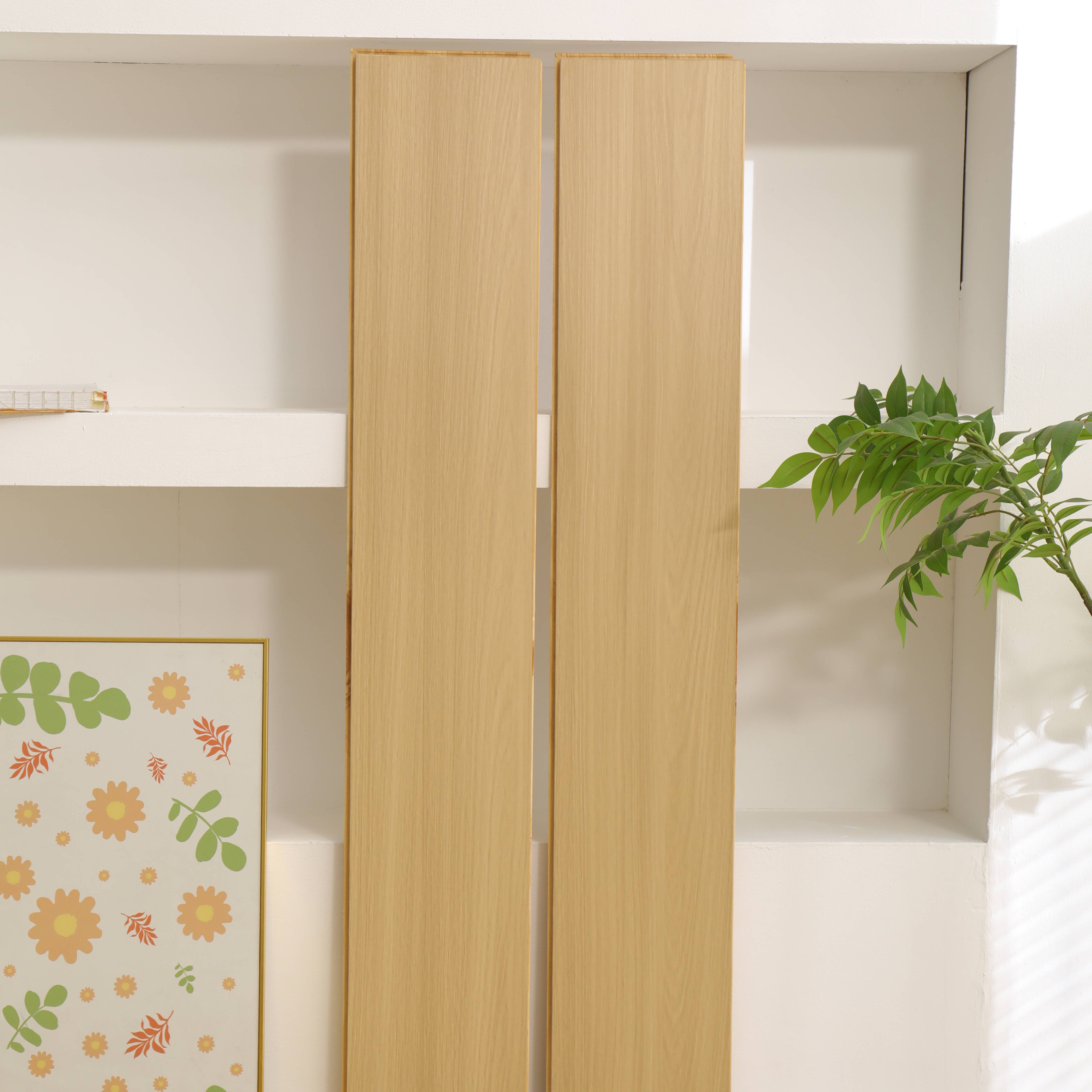
حالیہ سالوں میں فلورنگ کے شعبے میں قابلِ ذکر ترقی واقع ہوئی ہے، جس کے نتیجے میں تجارتی اور رہائشی دونوں ماحول کی مختلف ضروریات کو پورا کرنے کے لیے نئے اور مبتکر حل سامنے آئے ہیں۔ ان پیشرفتوں میں سے ایک لاک دی فلور ٹیکنالوجی ہے، جو اپنی متانی، انسٹالیشن میں آسانی اور خوبصورتی کی تنوع کے منفرد امتزاج کی وجہ سے کافی شہرت حاصل کر چکی ہے۔ یہ نئی فلورنگ نظام روایتی انسٹالیشن کے طریقوں سے ایک بنیادی تبدیلی کی نمائندگی کرتا ہے، جو جائیداد کے مالکان اور کنٹریکٹرز کو جدید جگہوں کی سخت ضروریات کو پورا کرنے کا قابلِ اعتماد حل فراہم کرتا ہے۔
یہ سمجھنا کہ فلور سسٹم کو قفل کرنے کے طریقے مختلف درخواستوں میں کیوں بہترین کارکردگی کا مظاہرہ کرتے ہیں، ان کے بنیادی ڈیزائن کے اصولوں اور کارکردگی کی خصوصیات کا جائزہ لینے کی ضرورت ہوتی ہے۔ ان فرش کے حل کی وضاحت کرنے والی انٹر لاکنگ مشینری ساختی مضبوطی فراہم کرتی ہے جبکہ مختلف ماحولیاتی حالات کے لیے لچکدار رہنے کی صلاحیت برقرار رکھتی ہے۔ یہ ٹیکنالوجی املاک کے منتظمین، ماہرین تعمیرات اور گھر کے مالکان کے لیے اہم چیلنجز کا مقابلہ کرتی ہے جو ایسے فرش کے حل تلاش کرتے ہیں جو کارکردگی یا ظاہری شکل کو متاثر کیے بغیر طویل مدتی قیمت فراہم کریں۔
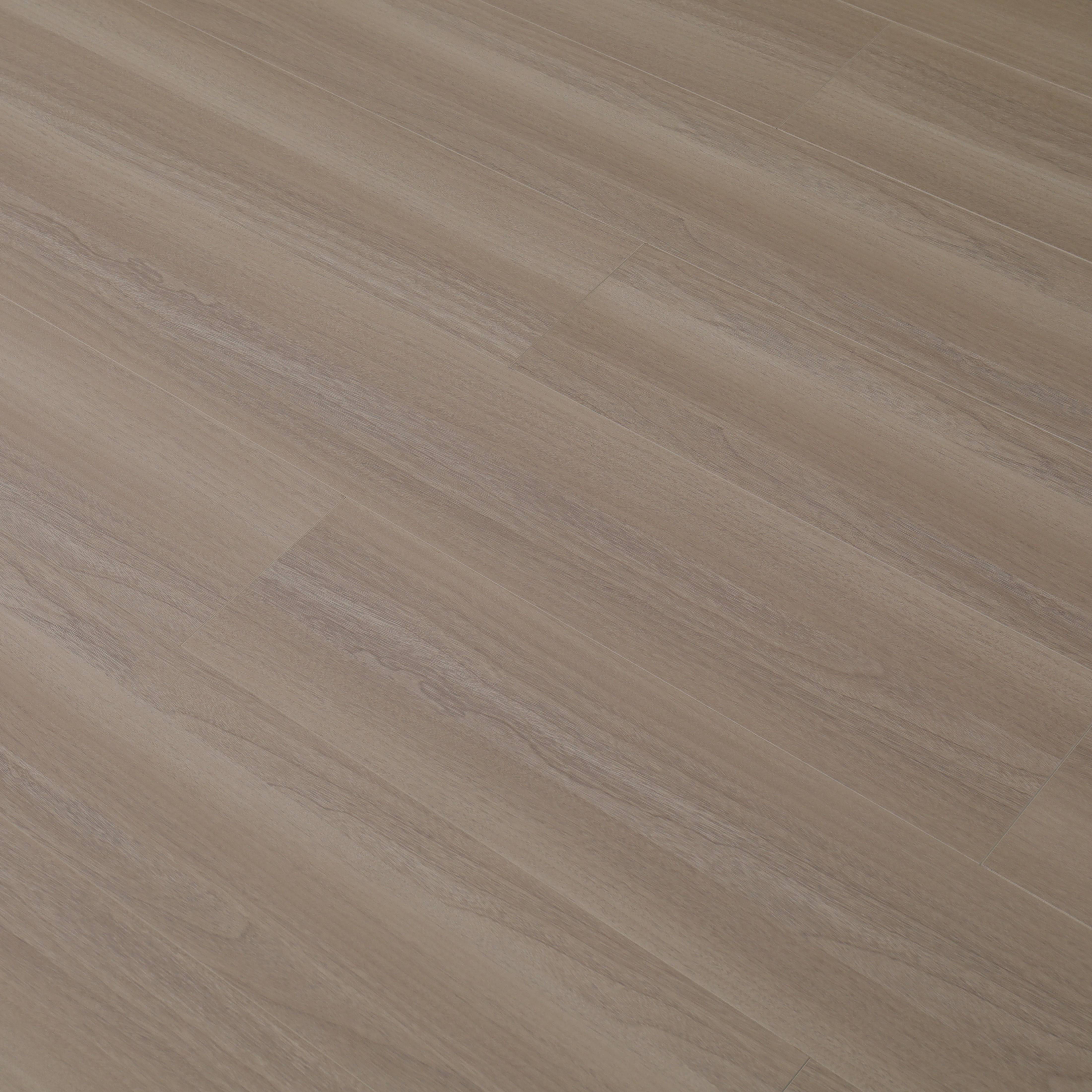
اعلیٰ درجے کی نصب کاری کی کارکردگی اور وقت کی بچت
آسان نصب کا عمل
لاک دی فلور سسٹم اپنے شاندار انٹر لاکنگ مکینزم کے ذریعے انسٹالیشن کے طریقوں کو جدید بناتا ہے، جو چپکانے والے مواد، کیلیں یا پیچیدہ فاسٹننگ سسٹم کی ضرورت کو ختم کر دیتا ہے۔ پیشہ ورانہ انسٹالر روایتی فرش کے طریقوں کے مقابلے میں کافی تیزی سے کام مکمل کر سکتے ہیں، جس سے لیبر کے اخراجات کم ہوتے ہیں اور کاروباری سرگرمیوں یا رہائشی سرگرمیوں میں رُکاوٹ کو بھی کم سے کم کیا جا سکتا ہے۔ یہ کارآمدی درحقیقت درستی سے ڈیزائن کردہ ٹانگ اور گروو ڈیزائن سے نکلتی ہے جو الگ الگ تختیوں یا ٹائلز کے درمیان مکمل ترتیب اور مضبوط کنکشن کو یقینی بناتی ہے۔
کمرشل منصوبوں کو خاص طور پر اس انسٹالیشن کی موثریت سے فائدہ ہوتا ہے، کیونکہ کم ہونے والے ڈاؤن ٹائم کا براہ راست مطلب لاگت میں بچت اور آپریشنل مسلسل کارکردگی ہوتی ہے۔ 'لاک دی فلور' ٹیکنالوجی سیکشن کے لحاظ سے انسٹالیشن کی اجازت دیتی ہے، جس سے کاروبار اپنے تعمیر نو کے منصوبوں کے دوران جزوی آپریشنز برقرار رکھ سکتے ہیں۔ یہ لچک خاص طور پر اُن خرید و فروخت کے ماحول، دفاتر اور مہمان نوازی کے مقامات میں بے حد قیمتی ثابت ہوتی ہے جہاں فرش کی انسٹالیشن کے دوران مکمل بندش سے قابلِ ذکر آمدنی کا نقصان ہو سکتا ہے۔
کم مزدوری کی ضرورت
'لاک دی فلور' نظاموں میں موجود سادہ انسٹالیشن کا عمل روایتی فرش کے طریقوں کے مقابلے میں کم ماہر اوزاروں اور تکنیکی مہارت کی ضرورت رکھتا ہے۔ معیاری ٹھیکیدار بھی پیچیدہ انسٹالیشن کے طریقوں پر وسیع تربیت کے بغیر پیشہ ورانہ درجے کے نتائج حاصل کر سکتے ہیں۔ یہ دستیابی منصوبے کی لاگت کو کم کرتی ہے جبکہ مختلف انسٹالیشن ٹیموں اور جغرافیائی مقامات پر مستقل معیار کو یقینی بناتی ہے۔
رہائشی درخواستوں کو بھی ان سادہ شدہ ضروریات سے فائدہ ہوتا ہے، کیونکہ بنیادی DIY مہارتوں والے گھر کے مالک خود چھوٹی انسٹالیشنز کو انجام دے سکتے ہیں۔ فرش کو لاک کرنے کا طریقہ انسٹالیشن کے دوران فوری فیڈ بیک فراہم کرتا ہے، جس سے ترتیب کے مسائل کو پہچاننا اور انہیں مسئلہ خیز ہونے سے پہلے درست کرنا آسان ہو جاتا ہے۔ یہ صارف دوست نقطہ نظر اس ٹیکنالوجی کو مختلف مارکیٹ سیکٹرز میں وسیع پیمانے پر اپنانے میں اہم کردار ادا کر چکا ہے۔
غیر معمولی پائیداری اور کارکردگی کی خصوصیات
بہتر ساختی سالمیت
لاک دی فلور سسٹم کے لیے بنیادی انٹر لاکنگ ڈیزائن ایک متحدہ سطح تخلیق کرتا ہے جو بوجھ کو پورے فرش کے علاقے میں یکساں طور پر تقسیم کرتا ہے۔ یہ بوجھ تقسیم کا طریقہ مقامی تناؤ کی تمرکوزی کو روکتا ہے جو عام طور پر روایتی فرش کی انسٹالیشنز میں زودِ شروعی ناکامی کا باعث بنتی ہے۔ ملحقہ ٹکڑوں کے درمیان مکینیکل کنکشن یقینی بناتا ہے کہ فرش کا نظام الگ الگ اجزاء کے بجائے ایک منسلک اکائی کے طور پر کام کرتا ہے جو الگ الگ حرکت اور ممکنہ علیحدگی کے متحمل نہیں ہوتا۔
تجاری ماحول میں فرش کو شدید روزانہ استعمال کے الگورتھم کا سامنا ہوتا ہے، جس میں بھاری پیدل ٹریفک، سامان کے بوجھ اور بار بار صفائی کے طریقوں کا اطلاق شامل ہے۔ 'لاک دی فلور' ٹیکنالوجی ان مشکل حالات کے تحت بہترین لچک اور مضبوطی کا مظاہرہ کرتی ہے، جو طویل عرصے تک ساختی مضبوطی اور خوبصورت ظاہری شکل کو برقرار رکھتی ہے۔ چپکنے والی مادوں کے بغیر ہونے کی وجہ سے نمی کے اثرات، درجہ حرارت میں تبدیلیاں یا صفائی کے کیمیائی ادویات کے تعامل کی وجہ سے جڑنے کی ناکامی کے خدشات ختم ہو جاتے ہیں۔
نمی کے مقابلے اور ماحولیاتی استحکام
مودرن floor لاک کریں سسٹمز میں نمی کے انتظام کی جدید خصوصیات شامل ہیں جو انہیں چیلنج کرنے والے ماحول کے لیے موزوں بناتی ہیں جہاں فرش بنانے کا روایتی مواد ناکام ہو سکتا ہے۔ انٹر لاکنگ میکانزم نمی کی تبدیلیوں کے جواب میں کنٹرول شدہ توسیع اور سکڑاؤ کی اجازت دیتا ہے، بکلنگ، سنگی، یا علیحدگی کو روکتا ہے جو عام طور پر سخت فرش کی تنصیبات کو متاثر کرتا ہے۔
یہ ماحولیاتی استحکام تجارتی کچن، باتھ روم، زیر زمین کمرے اور دیگر نمی کے عوامل کے لیے آسان مقامات میں خاص طور پر قیمتی ثابت ہوتا ہے۔ فرش کے نظام کو جوڑنے والی 'لاک دی فلور' ڈیزائن نمی کے داخل ہونے کو وصلت کے نقاط پر روکتی ہے، جبکہ فرش کے نظام کو مختلف حالات میں قدرتی سائز کی تبدیلیوں کو برداشت کرنے کی اجازت دیتی ہے، بغیر کارکردگی کو متاثر کیے۔ یہ خصوصیات اس ٹیکنالوجی کو مرکب استعمال کی عمارتوں کے لیے ایک مثالی انتخاب بناتی ہیں، جہاں مختلف ماحولیاتی حالات میں مستقل فرش کی کارکردگی ضروری ہوتی ہے۔
معاشی فوائد اور طویل مدتی قدر کا تصور
نصب کرنے کی لاگت میں کمی
لاک دی فلور نظاموں کے معاشی فوائد صرف ابتدائی مواد کی لاگت تک محدود نہیں ہیں، بلکہ انستالیشن کے لیبر، تیاری کی ضروریات اور منصوبے کے وقتی دورانیے کے کمپریشن میں قابلِ ذکر بچت کو بھی شامل کرتے ہیں۔ روایتی فرش کی انسٹالیشن اکثر وسیع ذیلی فرش کی تیاری، چپکنے والے مادے کا استعمال اور سخت ہونے کا وقت طلب کرتی ہے، جو منصوبوں کو پیچیدہ اور مہنگا بنا دیتا ہے۔ لاک دی فلور ٹیکنالوجی ان تمام ضروریات کو ختم کر دیتی ہے، جبکہ بہترین کارکردگی کی خصوصیات فراہم کرتی ہے۔
کمرشل پراپرٹی کے ڈویلپرز اور مینیجرز خاص طور پر لاک دی فلور انسٹالیشنز کے ساتھ منسلک قابل پیشگوئی لاگت کے ڈھانچے کی تعریف کرتے ہیں۔ سادہ انسٹالیشن کا عمل ان متغیرات کو کم کرتا ہے جو لاگت میں اضافہ، شیڈول میں تاخیر اور معیار میں ناہمواری کا باعث بن سکتے ہیں۔ یہ قابل پیشگوئی صورتحال منصوبوں کے بجٹ اور وقت کے انتظام کو زیادہ درست بنانے میں مدد دیتی ہے، جس سے مجموعی طور پر منصوبے کی کامیابی اور دلچسپی رکھنے والوں کی اطمینان میں اضافہ ہوتا ہے۔
دیکھ بھال کی مؤثرگی اور زندگی کے دوران اخراجات
لاک دی فلور سسٹمز کے ذریعے تخلیق کردہ متحدہ سطح کی روایتی فرش انسٹالیشنز کے مقابلے میں جن میں متعدد سیمز، جوائنٹس اور ممکنہ ناکامی کے نقاط ہوتے ہیں، کم شدید رخ کی ضرورت ہوتی ہے۔ عام صفائی کے طریقوں کو بے دراز سطح پر زیادہ مؤثر ثابت کیا گیا ہے، جس سے مشقت کی ضرورت کم ہوتی ہے اور گہری صفائی یا بحالی کے علاج کے درمیان وقفے بڑھ جاتے ہیں۔ یہ رخ کی موثریت فرش کی سروس لائف کے دوران آپریشنل لاگتوں میں کمی کا باعث بنتی ہے۔
جب مرمت کی ضرورت پڑتی ہے، تو فرش کو لاک کرنے کا ڈیزائن متاثرہ حصوں کی انتخابی تبدیلی کی اجازت دیتا ہے، جس سے ملحقہ علاقوں پر کوئی اثر نہیں پڑتا۔ یہ مرمت کی صلاحیت مقامی نقصان کی صورت میں مکمل فرش کی تبدیلی کی ضرورت کو ختم کر دیتی ہے، جس کے نتیجے میں قابلِ ذکر لاگت کی بچت اور آپریشنل وقفے میں کمی آتی ہے۔ مستقبل کی مرمت کے لیے اضافی مواد کو محفوظ رکھنے کی صلاحیت عمارت کے منتظمین کو طویل المدتی رفتار کے منصوبہ بندی میں اعتماد فراہم کرتی ہے۔
مختلف درخواستوں میں تنوع
تجارتی جگہوں کے استعمال کے لیے
تجارتی ماحول میں فرش کے حل کی ضرورت ہوتی ہے جو مشکل حالات کے تحت خوبصورتی کے ساتھ ساتھ عملی کارکردگی کو بھی جوڑتے ہوں۔ لاک دی فلور ٹیکنالوجی مختلف تجارتی درخواستوں کو پورا کرنے کے لیے ڈیزائن کی لچک کے ذریعے ان ضروریات کو پورا کرتی ہے، چاہے وہ زیادہ ٹریفک والے ریٹیل علاقوں کے لیے ہو یا پیشہ ورانہ دفتری ماحول کے لیے۔ اس نظام کی بڑی، بے دراز سطحوں کو بغیر کسی نمایاں جوڑ کے تخلیق کرنے کی صلاحیت کارپوریٹ سیٹنگز میں درکار صاف اور پیشہ ورانہ ظاہری شکل فراہم کرتی ہے۔
ریستوران اور مہمان نوازی کے استعمالات میں لاک دی فلور سسٹم کی نمی کے مقابلے کی صلاحیت اور آسان رعایت کی خصوصیات سے فائدہ اٹھایا جاتا ہے۔ بے دراز سطح کھانے کے ذرات، مائعات اور صفائی کے کیمیکلز کو جوڑوں یا درازوں میں جمع ہونے سے روکتی ہے، جو صفائی کی ضروریات کو پورا کرتی ہے جبکہ دلکش ظاہری شکل برقرار رکھتی ہے۔ اس فرش کی ٹیکنالوجی کی پائیداری یقینی بناتی ہے کہ کھانا پکانے کے ماحول میں روزانہ شدید صفائی کے طریقوں کے باوجود مستقل کارکردگی برقرار رہے۔
رہائشی جگہوں کے فوائد
لاک دی فلور ٹیکنالوجی کے رہائشی استعمالات بنیادی منزلوں سے لے کر اہم رہائشی علاقوں تک پھیلے ہوئے ہیں، جو گھر کے مالکان کو اپنی تمام جائیداد میں مسلسل فرش کی کارکردگی فراہم کرتے ہیں۔ مناسب طریقے سے نصب کردہ لاک دی فلور سسٹم کی قدموں کے نیچے آرام دہی اور آواز کی خصوصیات خوشگوار رہائشی ماحول پیدا کرتی ہیں جبکہ خاندانی سرگرمیوں اور پالتو جانوروں کی دیکھ بھال کے لیے ضروری پائیداری برقرار رکھتی ہیں۔
لاک دی فلور مصنوعات میں دستیاب ڈیزائن کی تنوع گھر کے مالکان کو ان کے جمالیاتی اہداف حاصل کرنے کی اجازت دیتا ہے، بغیر کارکردگی کی خصوصیات پر سمجھوتہ کیے۔ روایتی لکڑی کے ظاہری روپ سے لے کر جدید پتھر اور ٹائل کے نمونوں تک، لاک دی فلور ٹیکنالوجی تمام انداز اور ختم شدہ سطحوں پر مستقل انسٹالیشن اور دیکھ بھال کے فائدے فراہم کرتے ہوئے مختلف انٹیریئر ڈیزائن کی ترجیحات کی حمایت کرتی ہے۔
فیک کی بات
لاک دی فلور ٹیکنالوجی روایتی گلو-ڈاؤن انسٹالیشن کے مقابلے میں کس طرح کام کرتی ہے؟
لاک دی فلور سسٹم گلو-ڈاؤن انسٹالیشن کے مقابلے میں قابلِ ذکر فوائد پیش کرتے ہیں، جن میں تیز رفتار انسٹالیشن کا وقت، چپکانے والے مواد کی بدبو اور خشک ہونے کے دورانیے کا خاتمہ، اور ضرورت پڑنے پر فرش کو ہٹانے اور دوسری جگہ منتقل کرنے کی صلاحیت شامل ہیں۔ مکینیکل انٹر لاکنگ کنکشن چپکانے والے رابطوں کے مقابلے میں بہتر ہولڈنگ طاقت فراہم کرتا ہے، خاص طور پر ان ماحول میں جہاں درجہ حرارت اور نمی کی تبدیلیاں ہوتی ہیں جو وقتاً فوقتاً چپکانے والے مواد کی کارکردگی کو متاثر کر سکتی ہیں۔
کیا لاک دی فلور سسٹم کو موجودہ فرش کے مواد پر انسٹال کیا جا سکتا ہے؟
زیادہ تر معاملات میں، لاک دی فلور ٹیکنالوجی کو موجودہ فرش کے مواد کے بالکل اوپر براہ راست انسٹال کیا جا سکتا ہے، بشرطیکہ بنیادی سطح ہموار، صاف اور ساختی طور پر مضبوط ہو۔ اس قابلیت کی وجہ سے فرش کو ہٹانے اور تلف کرنے کی ضرورت ختم ہو جاتی ہے، جس سے انسٹالیشن کا وقت اور اخراجات دونوں کم ہو جاتے ہیں۔ تاہم، نئے لاک دی فلور انسٹالیشن کے بہترین کارکردگی کو یقینی بنانے کے لیے موجودہ فرش کی حالت کا مناسب جائزہ لینا ضروری ہے۔
لاک دی فلور انسٹالیشن کے لیے کون سی دیکھ بھال کی کارروائیاں تجویز کی گئی ہیں؟
لاک دی فلور سسٹم کی دیکھ بھال عام طور پر مناسب صفائی کے ادویات کے ساتھ باقاعدہ صفائی سے زیادہ کسی خاص اقدام کی متقاضی نہیں ہوتی۔ انٹر لاکنگ مکینزم کی وجہ سے تشکیل پانے والی بے دراز سطح جوڑوں میں گندگی اور ملبے کے جمع ہونے کو روکتی ہے، جس کی وجہ سے روزمرہ کی دیکھ بھال زیادہ موثر ہو جاتی ہے۔ لاکنگ کنکشنز کا دورانیہ معائنہ اور کسی بھی نقصان کو فوری طور پر دور کرنا فرش کی مدتِ استعمال کے دوران اس کی بہترین کارکردگی برقرار رکھنے میں مدد دیتا ہے۔
کیا فرش کے لاک سسٹم کو انسٹال کرنے کے لیے کہیں پر پابندیاں ہیں؟
جبکہ لاک دی فلور ٹیکنالوجی زیادہ تر تجارتی اور رہائشی درخواستوں کے لیے مناسب ہے، کچھ شدید ماحول خاص غور کا تقاضا کر سکتے ہیں۔ جن علاقوں میں مستقل طور پر پانی کے رابطے، شدید درجہ حرارت کی تبدیلیاں یا غیر معمولی لوڈنگ کی صورتحال کا سامنا ہوتا ہو، ان کا جائزہ فرش کے ماہرین کے ذریعہ لینا چاہیے تاکہ مناسب مصنوعات کے انتخاب اور انسٹالیشن کے طریقوں کو یقینی بنایا جا سکے۔ زیادہ تر معیاری تجارتی اور رہائشی درخواستیں لاک دی فلور انسٹالیشن کے لیے بہت مناسب ہیں۔