 EN
EN


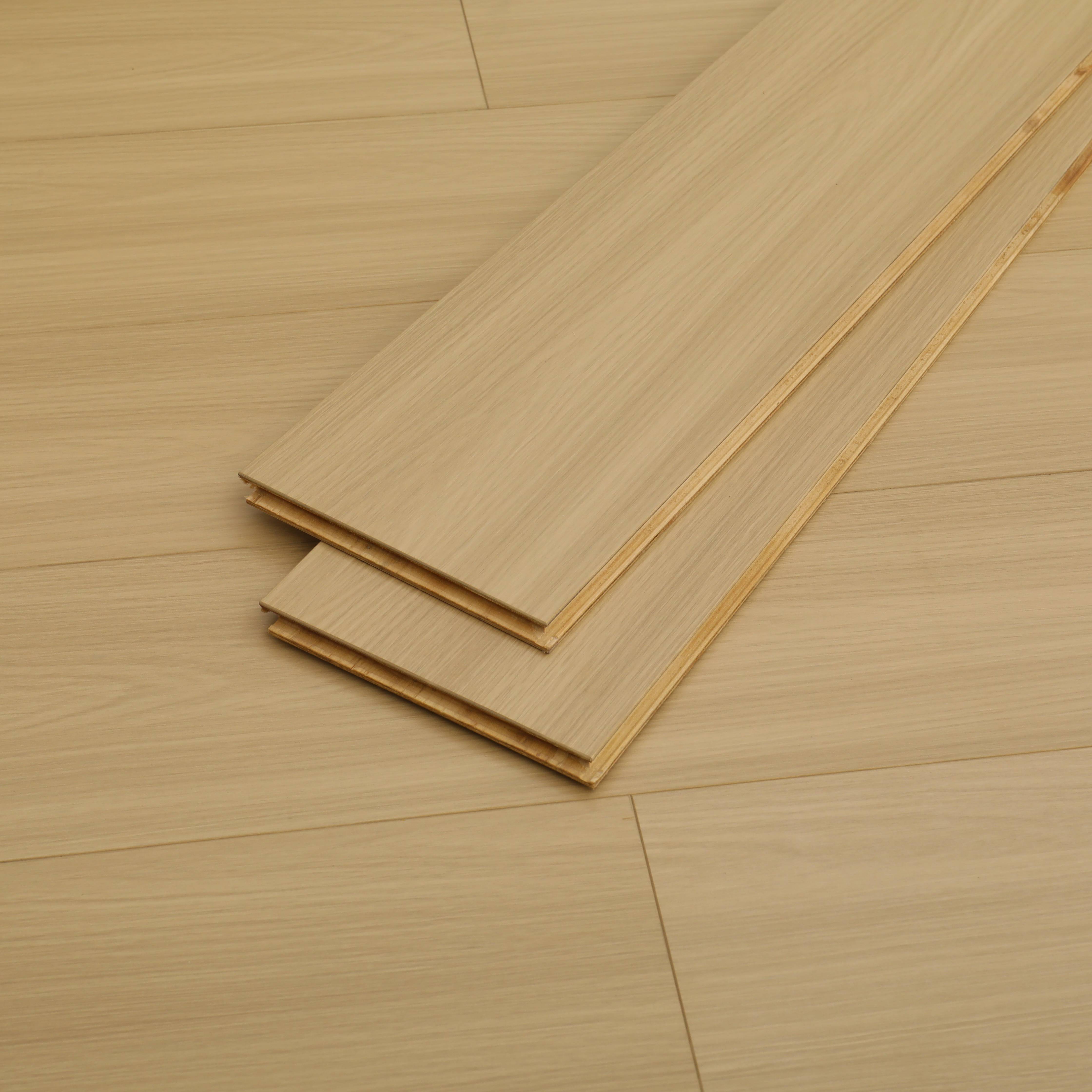
Traditional flooring installation methods have long required adhesives, creating messy, time-consuming processes that demand professional expertise and extended curing times. Modern glue-free flooring systems revolutionize this approach by eliminating the need for liquid adhesives entirely, transforming installation from a complex, multi-day project into a streamlined process that homeowners and contractors can complete efficiently. This innovative flooring technology reduces installation time, minimizes preparation requirements, and delivers professional results without the complications associated with traditional adhesive-based methods.
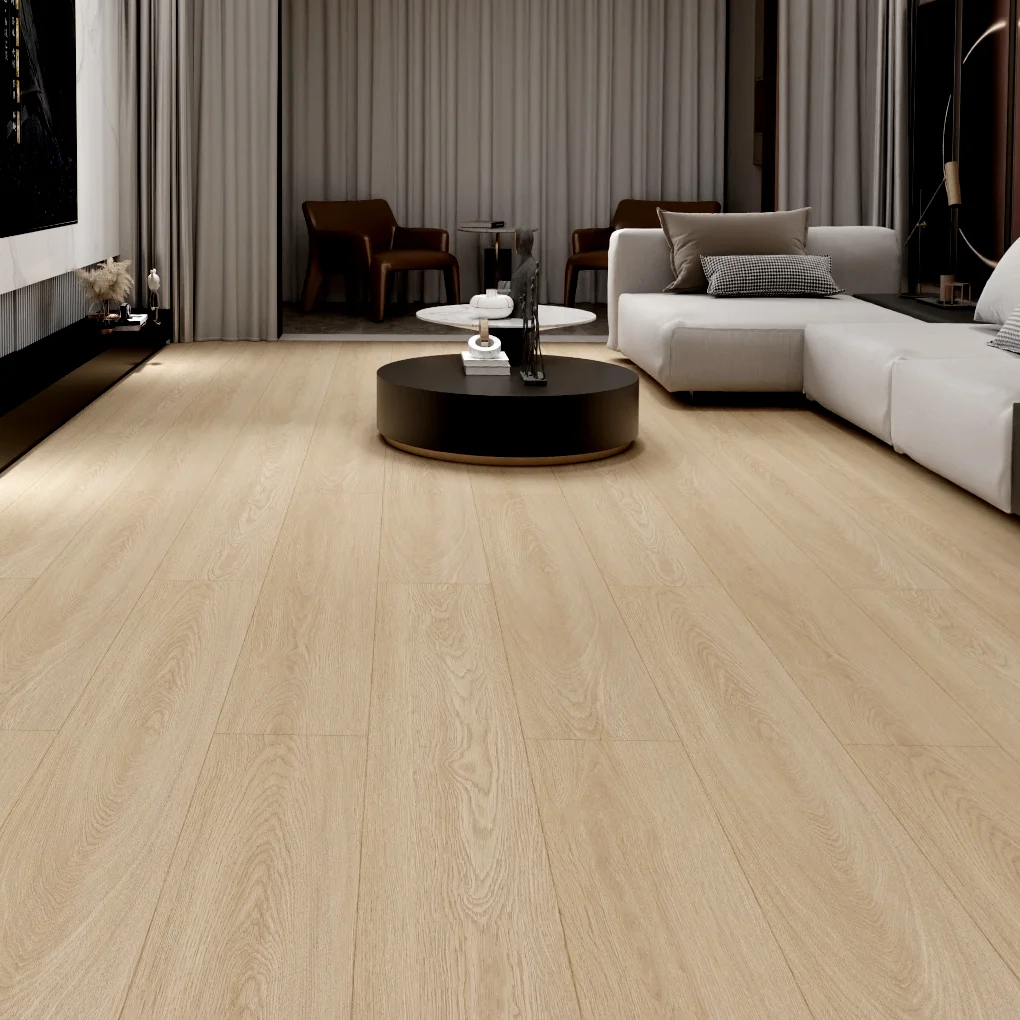
The simplification achieved through glue-free flooring extends beyond mere convenience, addressing fundamental challenges that have made traditional flooring installation a barrier for many projects. By understanding how these advanced systems work and the specific ways they streamline the installation process, property owners can make informed decisions about flooring solutions that align with their timeline, budget, and skill requirements. This comprehensive examination reveals the mechanical innovations, installation advantages, and practical benefits that make glue-free flooring a game-changing approach to modern floor installation.
Mechanical Innovation Behind Glue-Free Installation Systems
Click-Lock Connection Technology
The foundation of glue-free flooring simplification lies in sophisticated click-lock connection systems that replace liquid adhesives with precision-engineered mechanical joints. These systems feature interlocking profiles machined into the edges and ends of each plank, creating secure connections through simple downward pressure or angled insertion methods. The tongue-and-groove variations used in glue-free flooring incorporate spring-loaded mechanisms that snap into place with audible confirmation, ensuring proper alignment and immediate bond strength without waiting for adhesive curing.
Modern click-lock systems utilize multiple locking points per connection, distributing stress evenly across the joint to prevent separation under normal traffic loads. The precision manufacturing required for these connections ensures consistent fit tolerances that eliminate gaps, maintain structural integrity, and provide the seamless appearance traditionally achieved only through careful adhesive application. This mechanical approach creates installations that can handle thermal expansion and contraction more effectively than rigid glue bonds, contributing to long-term performance stability.
Floating Floor Installation Method
Glue-free flooring systems typically employ floating installation methods that further simplify the process by eliminating the need to attach planks directly to the subfloor. This approach allows the entire floor to function as a single, interconnected unit that rests on the subfloor without permanent attachment, reducing preparation requirements and installation complexity. The floating method accommodates minor subfloor imperfections that would require extensive correction in glued installations, making glue-free flooring suitable for a broader range of existing floor conditions.
The floating installation principle works in conjunction with appropriate underlayment systems that provide moisture barriers, sound dampening, and minor leveling capabilities. This combination allows installers to address multiple flooring requirements simultaneously without separate steps for moisture protection, acoustic treatment, or surface preparation that complicate traditional installation processes. The result is a comprehensive flooring solution that achieves professional performance standards through simplified installation procedures.
Installation Process Streamlining and Time Reduction
Elimination of Adhesive Application Steps
The removal of adhesive application from the installation process eliminates numerous time-consuming steps that traditionally extend project duration and complexity. Glue-free flooring installation eliminates the need for adhesive mixing, spreading, cleanup, and the critical timing requirements that govern working with liquid adhesives. This simplification removes the skill requirements associated with proper adhesive application, including knowledge of open time, pot life, and environmental factors that affect adhesive performance.
Without adhesive constraints, installers can work at natural paces without rushing to complete sections before adhesives cure or lose effectiveness. The elimination of adhesive-related delays allows installation to proceed continuously, enabling completion of larger areas in single sessions rather than breaking projects into adhesive-manageable segments. This continuous workflow capability makes glue-free flooring particularly advantageous for time-sensitive projects or installations in occupied spaces where extended disruption must be minimized.
Immediate Walkability and Use
One of the most significant simplifications offered by glue-free flooring is immediate walkability upon installation completion, eliminating the curing time required for adhesive-based systems. Traditional glued floors often require 24 to 72 hours of restricted access while adhesives reach full strength, creating scheduling complications and limiting space usability. Glue-free flooring achieves full performance immediately upon installation, allowing normal use without waiting periods or protective measures.
This immediate usability advantage extends beyond convenience to practical project management benefits, particularly in commercial settings or renovation projects where space availability affects operations. The ability to complete flooring installation and immediately return spaces to service reduces project impact and eliminates the coordination challenges associated with extended curing periods. For residential applications, this means rooms can be furnished and used immediately after installation completion, avoiding the displacement and storage issues common with traditional flooring projects.
Preparation and Skill Requirement Simplification
Reduced Subfloor Preparation Demands
Glue-free flooring systems significantly reduce subfloor preparation requirements compared to traditional adhesive installations, which demand perfectly clean, level, and dry surfaces for proper adhesive bonding. The floating installation method used with glue-free flooring tolerates minor surface variations, small debris, and slight moisture variations that would compromise adhesive performance. This tolerance reduces preparation time and eliminates many of the specialized tools and materials required for achieving adhesive-ready subfloor conditions.
The simplified preparation requirements make glue-free flooring accessible to do-it-yourself installers who might lack the experience or tools necessary for proper subfloor preparation in adhesive systems. Basic cleaning, minor debris removal, and simple leveling compound application can address most subfloor conditions suitable for glue-free flooring installation. This accessibility expands the range of projects that can be completed without professional installation services, providing cost savings and greater project control for property owners.
Accessible Installation Techniques
The installation techniques required for glue-free flooring focus on simple, repeatable actions that do not require specialized training or extensive experience with flooring systems. The basic skills involve measuring, cutting, and connecting planks using the integrated locking mechanisms, with most systems providing clear tactile and audible feedback when connections are properly made. This straightforward approach contrasts sharply with adhesive installations that require knowledge of spread rates, trowel selection, working time management, and troubleshooting adhesive performance issues.
Tool requirements for glue-free flooring installation remain minimal, typically involving standard measuring tools, saws for cutting planks to fit, and basic hand tools for managing connections and adjustments. The absence of adhesive-related equipment eliminates the need for trowels, mixing equipment, cleaning solvents, and protective gear required for safe adhesive handling. This simplified tool requirement reduces project costs and makes glue-free flooring installation feasible in situations where equipment availability or workspace constraints limit installation options.
Quality Control and Error Management Benefits
Reversible Installation Process
Unlike adhesive-based installations that create permanent bonds immediately upon contact, glue-free flooring systems allow for easy disassembly and repositioning of planks during installation. This reversibility provides significant advantages for error correction, allowing installers to adjust layouts, correct misaligned planks, or address spacing issues without destroying materials or starting over. The ability to disconnect and reconnect planks enables real-time problem solving that maintains installation quality without material waste or project delays.
The forgiving nature of glue-free flooring installation reduces the stress and precision demands that make traditional flooring installation challenging for inexperienced installers. Mistakes can be corrected immediately without permanent consequences, allowing learning and adjustment throughout the installation process. This flexibility encourages more careful planning and execution while providing safety nets that prevent minor errors from becoming major problems, ultimately resulting in higher-quality finished installations.
Consistent Connection Quality
The mechanical connections used in glue-free flooring provide inherently consistent joint quality that does not depend on installer technique or environmental conditions during installation. Each connection achieves the same structural performance when properly engaged, eliminating the variables that affect adhesive bond strength such as temperature, humidity, substrate conditions, and application technique. This consistency ensures uniform performance across the entire installation, reducing the risk of weak spots or connection failures that can develop in adhesive installations.
Quality assurance in glue-free flooring systems relies on the precision of the manufacturing process rather than installation variables, providing greater predictability in final performance. The audible and tactile feedback provided by properly engaged connections gives installers immediate confirmation of successful joints, eliminating guesswork about connection quality. This built-in quality control mechanism helps ensure that every connection meets performance standards without requiring specialized testing or validation procedures.
Long-Term Maintenance and Replacement Advantages
Individual Plank Replacement Capability
The modular nature of glue-free flooring installation creates significant long-term advantages by enabling individual plank replacement without affecting surrounding areas. When damage occurs, affected planks can be disconnected from surrounding pieces and replaced without disturbing the broader installation, contrasting with glued floors that often require extensive removal and reinstallation for localized repairs. This replaceability extends the effective lifespan of glue-free flooring by allowing selective maintenance that addresses wear patterns or damage cost-effectively.
The replacement process mirrors the original installation technique, requiring the same basic tools and skills used for initial installation. Property owners can maintain small inventories of matching planks for future repairs, enabling immediate response to damage without waiting for professional services or extensive material orders. This maintenance flexibility provides long-term cost advantages and helps maintain appearance standards throughout the floor's service life.
Reduced Environmental Impact
Glue-free flooring systems contribute to simplified installation through reduced environmental impact during installation and future removal. The absence of volatile organic compounds from adhesives eliminates concerns about indoor air quality during and after installation, allowing immediate occupancy without ventilation requirements or off-gassing periods. This environmental advantage simplifies project planning by removing health and safety considerations that complicate traditional installations in occupied buildings.
End-of-life disposal and recycling options for glue-free flooring remain more straightforward than adhesive-bonded systems, which often require specialized separation techniques to recover usable materials. The mechanical connections allow clean separation of components for recycling or reuse, supporting sustainable building practices while maintaining the practical advantages that make glue-free flooring attractive during initial installation.
FAQ
Does glue-free flooring provide the same durability as traditional glued installations?
Glue-free flooring systems provide comparable or superior durability to traditional installations when properly installed and maintained. The mechanical locking systems used in modern glue-free flooring are engineered to withstand normal residential and commercial traffic loads while accommodating thermal movement more effectively than rigid glue bonds. The floating installation method distributes stress across the entire floor system rather than concentrating it at individual joints, often resulting in better long-term performance than glued installations.
Can glue-free flooring be installed over existing floors?
Many glue-free flooring systems can be successfully installed over existing hard surfaces such as tile, hardwood, or laminate, provided the existing floor is structurally sound, level, and clean. The floating installation method does not require removal of existing flooring in most cases, significantly reducing preparation time and disposal costs. However, carpet and cushioned vinyl typically require removal to provide the stable, smooth surface necessary for proper glue-free flooring performance.
What tools are required for glue-free flooring installation?
Basic tools for glue-free flooring installation include a tape measure, pencil, saw for cutting planks, rubber mallet or tapping block, spacers for maintaining expansion gaps, and a pull bar for fitting end pieces. Unlike adhesive installations, no mixing equipment, trowels, adhesive spreaders, or specialized cleaning materials are required. Most homeowners already own the necessary tools or can acquire them inexpensively, making glue-free flooring installation accessible without significant equipment investment.
How much faster is glue-free flooring installation compared to traditional methods?
Glue-free flooring installation typically proceeds 50-75% faster than comparable adhesive installations, with experienced installers often completing 200-300 square feet per day compared to 100-150 square feet for glued systems. The time savings result from eliminated adhesive preparation, mixing, and cleanup steps, plus the ability to work continuously without adhesive timing constraints. Additionally, immediate walkability eliminates the 24-72 hour waiting period required for adhesive curing, allowing projects to be completed and spaces returned to service in single days rather than extended periods.