 EN
EN


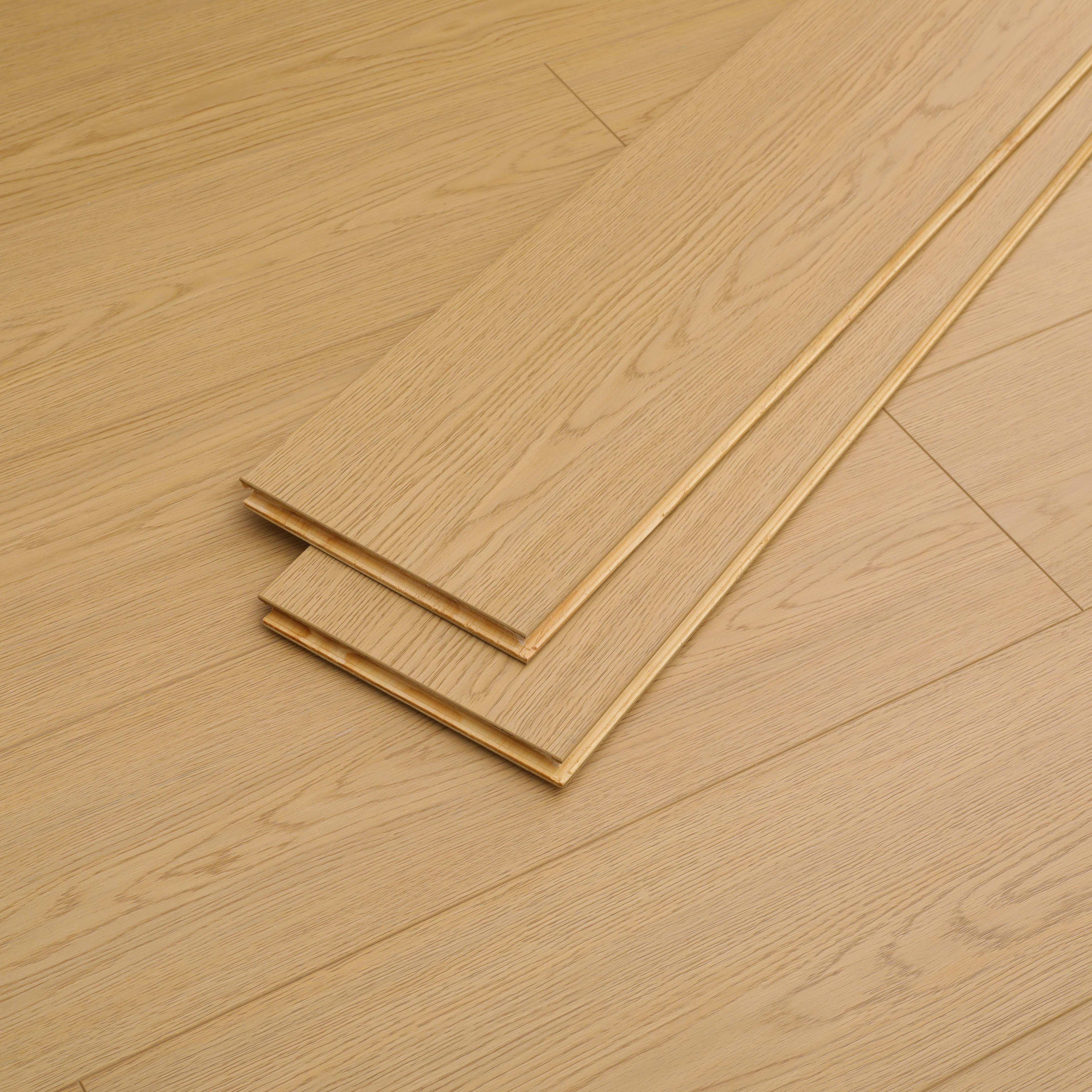
Choosing a lock the floor solution for a large project is not a simple material pick; it is a risk-control decision that affects installation speed, defect rates, long-term stability, and maintenance cost. On high-volume sites, minor tolerance issues can turn into schedule delays across multiple zones, which is why procurement teams and project managers need a structured way to evaluate fit. The best lock the floor solution is the one that matches your substrate conditions, traffic profile, climate exposure, and workforce capability while still supporting predictable execution at scale.
For large commercial and industrial programs, selection should begin with the title question itself: how to choose the best lock the floor solution, not just how to buy flooring. That means defining decision criteria before samples are approved, then testing each lock the floor solution against installation reality, movement behavior, and lifecycle serviceability. A disciplined framework helps teams avoid attractive but unsuitable options and builds confidence that the chosen lock the floor solution will perform consistently from first delivery to final handover.
Define Project Constraints Before Product Selection
Translate project scope into technical requirements
The first step in choosing a lock the floor solution is to convert project documents into measurable technical inputs. Total area, phasing sequence, occupancy timeline, and operating hours all influence which lock the floor solution can be installed without disrupting other trades. Projects with tight turnover windows often need faster click engagement and lower rework sensitivity. Without this translation step, teams often choose by appearance first and discover compatibility issues during installation.
A large project should also define expected point loads, rolling traffic, and cleaning routines early. These operational details determine whether a lock the floor solution needs stronger joint integrity and better wear resistance under repeated stress. When these requirements are explicit, stakeholders can compare options objectively instead of debating based on preference. The result is a lock the floor solution shortlist that is aligned with actual usage, not assumptions.
Map substrate and environmental reality
Subfloor flatness, moisture behavior, and temperature fluctuation are central to lock joint performance over time. A lock the floor solution that performs well on ideal slabs may underperform where moisture migration and unevenness are common. Large sites frequently contain mixed substrate conditions, so selection must account for the worst credible zone rather than the best one. This protects schedule and quality across the full footprint.
Environmental exposure matters just as much as structural conditions. In logistics corridors, entrances, or areas with frequent door cycling, thermal movement can stress the locking profile of a lock the floor solution. Teams that test only in stable interior environments may miss this risk. A practical method is to verify the lock the floor solution under representative humidity and temperature bands before full approval.
Evaluate Performance Factors That Matter at Scale
Prioritize lock integrity and dimensional stability
On large installations, lock geometry consistency is often a stronger predictor of outcome than brochure-level claims. The best lock the floor solution should maintain tight engagement across batch variation and long run lengths, reducing edge lift and joint opening over time. Stability under moisture and temperature change is equally critical because cumulative movement can amplify small tolerances. In short, a dependable lock the floor solution protects both appearance and structural fit.
Dimensional stability should be evaluated with site-relevant conditions, not generic assumptions. Project teams gain better insight by checking expansion behavior around transitions, perimeter gaps, and large uninterrupted spans. When the lock the floor solution holds alignment through these details, installation teams spend less time on correction and punch-list work. That directly improves productivity and closeout quality.
Assess wear layer, surface behavior, and maintainability
A lock the floor solution for large projects must support daily operational abuse without accelerating maintenance cycles. Surface performance under carts, cleaning equipment, and frequent foot traffic determines how quickly the floor loses appearance quality. If maintenance burden rises too early, ownership cost increases even when initial procurement looked efficient. Choosing a lock the floor solution with balanced wear resistance and serviceability prevents that mismatch.
Maintenance planning should include realistic cleaning chemistry and routine protocols used by the facility team. Some finishes look strong in early inspections but become difficult to maintain uniformly across wide areas. A suitable lock the floor solution should tolerate standard cleaning frequencies without visible degradation at seams and high-use lanes. This keeps lifecycle performance aligned with business operations.
Validate Installation Practicality and Workforce Fit
Match installation method to crew capability
A technically strong product can still fail if the installation method is too sensitive for the available labor profile. The right lock the floor solution should allow repeatable installation by trained crews under realistic site pressure, including phased handovers and cross-trade interference. When installation tolerance is too narrow, defect rates increase and productivity drops. Workforce-fit testing is therefore essential to choosing the best lock the floor solution.
Pilot mockups should focus on real problem points: long corridors, transitions, and perimeter detailing. These zones reveal how forgiving a lock the floor solution is when conditions are imperfect, which is common on large jobs. Early pilot data helps teams refine sequencing, tools, and quality checkpoints before full rollout. That preparation reduces downtime and protects critical path milestones.
Control logistics, packaging, and phased deployment
Large projects depend on stable material flow, so packaging format and handling efficiency must be part of selection. A lock the floor solution that arrives with inconsistent lot control or difficult handling can create hidden delays at staging and installation fronts. Delivery reliability matters as much as technical specification because phase slippage can disrupt many linked activities. Procurement should evaluate whether the lock the floor solution supports clean, predictable deployment in real site logistics.
Teams should also verify replacement and continuity strategy before awarding. Even with strong controls, phased projects may require supplementary supply later, and lock profile consistency becomes critical. Selecting a lock the floor solution with clear production traceability lowers the risk of mismatch during extensions or repairs. This safeguards visual continuity and joint compatibility across phases.
Build a Decision Framework That Reduces Commercial Risk
Use weighted criteria instead of single-point selection
The most reliable way to choose a lock the floor solution is to score options against weighted criteria tied to project outcomes. Typical weights include joint reliability, installation speed, defect sensitivity, lifecycle maintenance, and supply continuity. This prevents decisions from being driven by initial price alone, which often underestimates execution risk. A structured scorecard keeps the lock the floor solution decision transparent for engineering, procurement, and operations teams.
Commercial negotiations should align with performance accountability, not only unit cost. Define acceptance benchmarks for the lock the floor solution, including installation quality thresholds and post-installation inspection standards. When expectations are explicit, dispute risk declines and responsibility is clearer across stakeholders. That clarity improves governance on large contracts.
Confirm documentation, compliance, and reference configuration
Final selection should include complete technical documentation, installation guidance, and maintenance instructions that match the approved configuration. A lock the floor solution may be available in multiple constructions, and confusion at this stage can lead to unintended substitutions. Teams should lock reference specifications before bulk ordering and ensure all parties use the same revision set. This avoids expensive rework triggered by mismatched assumptions.
Where practical, align the final decision with a proven configuration such as this lock the floor solution when its technical profile matches project constraints. The point is not to select by label, but to confirm fit between documented performance and site reality. When that fit is validated through pilots and criteria scoring, stakeholders can move forward with fewer unknowns. This is how large projects choose confidently.
FAQ
What is the first thing to check when selecting a lock the floor solution for a large project?
Start with substrate condition and project phasing, because these two factors drive most downstream risks. A lock the floor solution that is incompatible with slab flatness or moisture behavior will create defects regardless of design intent. At the same time, phased turnover schedules demand installation repeatability under pressure. Checking these fundamentals first gives you a realistic baseline for all other decisions.
How many mockups are needed before approving a lock the floor solution?
Large projects typically benefit from multiple mockups in different site conditions rather than one ideal-area sample. Test the lock the floor solution in high-traffic zones, transition areas, and spaces with known environmental variation. This reveals tolerance sensitivity and installation behavior that a showroom sample cannot show. Approval based on varied mockups reduces surprises during full deployment.
Can a lower-cost lock the floor solution still be the best option?
Yes, but only when total project impact is positive across installation efficiency, defect control, maintenance demand, and supply stability. A lower purchase price does not automatically mean lower overall cost. The best lock the floor solution is the one that delivers predictable performance through the full lifecycle of the facility. Weighted decision criteria help confirm whether the lower-cost option truly supports project goals.
How do teams prevent inconsistency when ordering a lock the floor solution in phases?
Use strict specification control, lot traceability, and documented reference samples from the approved configuration. Each procurement phase should verify that the lock the floor solution profile and construction remain unchanged. Coordination between procurement, site management, and quality teams is essential to keep continuity across months of execution. This process prevents fit and appearance mismatch in later phases.
Table of Contents
- Define Project Constraints Before Product Selection
- Evaluate Performance Factors That Matter at Scale
- Validate Installation Practicality and Workforce Fit
- Build a Decision Framework That Reduces Commercial Risk
-
FAQ
- What is the first thing to check when selecting a lock the floor solution for a large project?
- How many mockups are needed before approving a lock the floor solution?
- Can a lower-cost lock the floor solution still be the best option?
- How do teams prevent inconsistency when ordering a lock the floor solution in phases?