 EN
EN


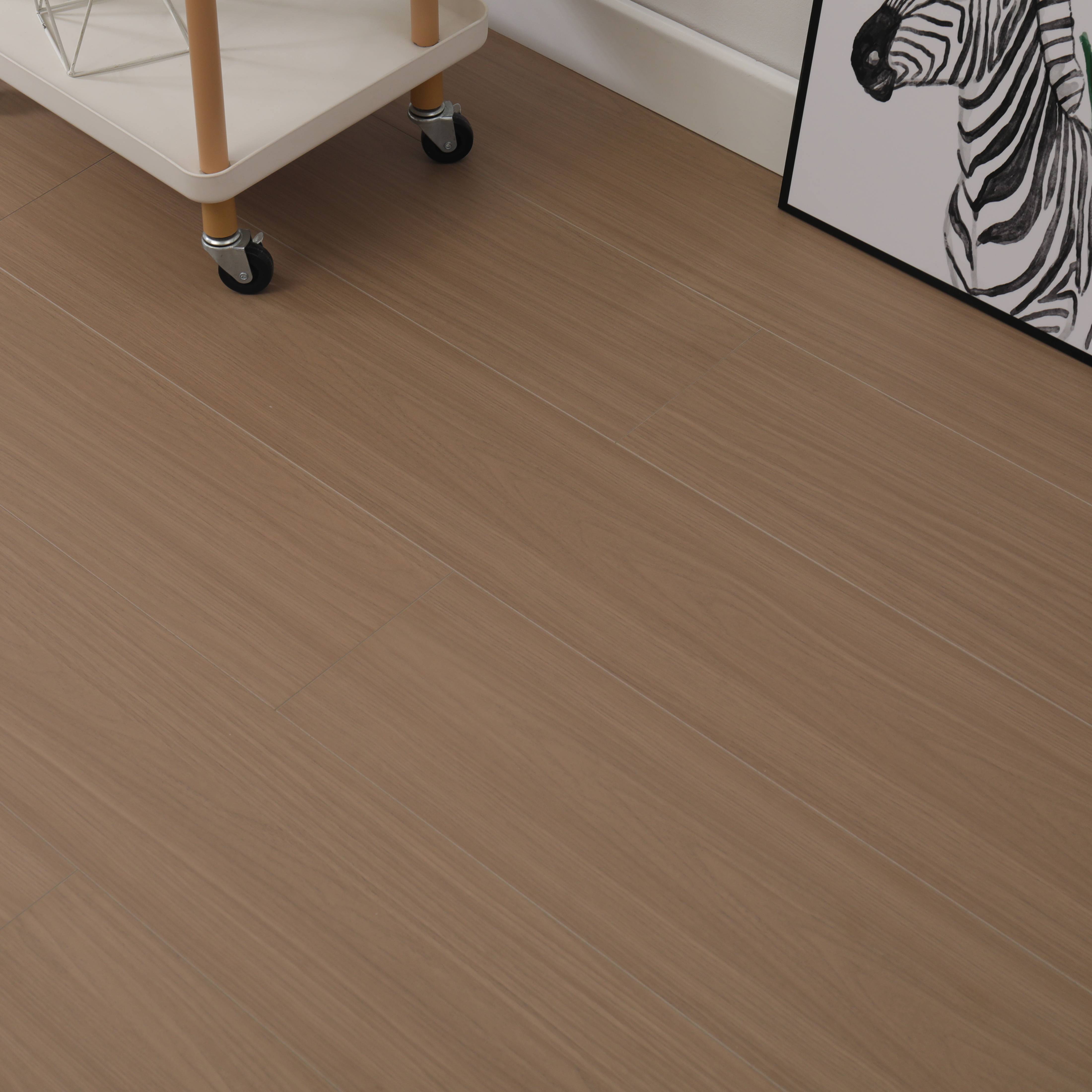
In high-traffic facilities, durability is not a marketing feature, it is a cost-control requirement. A well-designed multi-layer floor improves service life by controlling movement, resisting surface wear, and maintaining structural stability under continuous footfall, carts, and frequent cleaning cycles. For warehouses, retail interiors, schools, hospitality corridors, and office circulation zones, the right multi-layer floor can significantly reduce early replacement risk and keep operations running with fewer interruptions.
The durability advantage comes from engineering, not just material thickness. A multi-layer floor distributes stress across complementary layers, where each layer handles a different mechanical task, from wear resistance to dimensional control. This layered behavior is why a multi-layer floor often performs more consistently than simpler constructions when moisture variation, point loading, and daily abrasion happen at the same time.
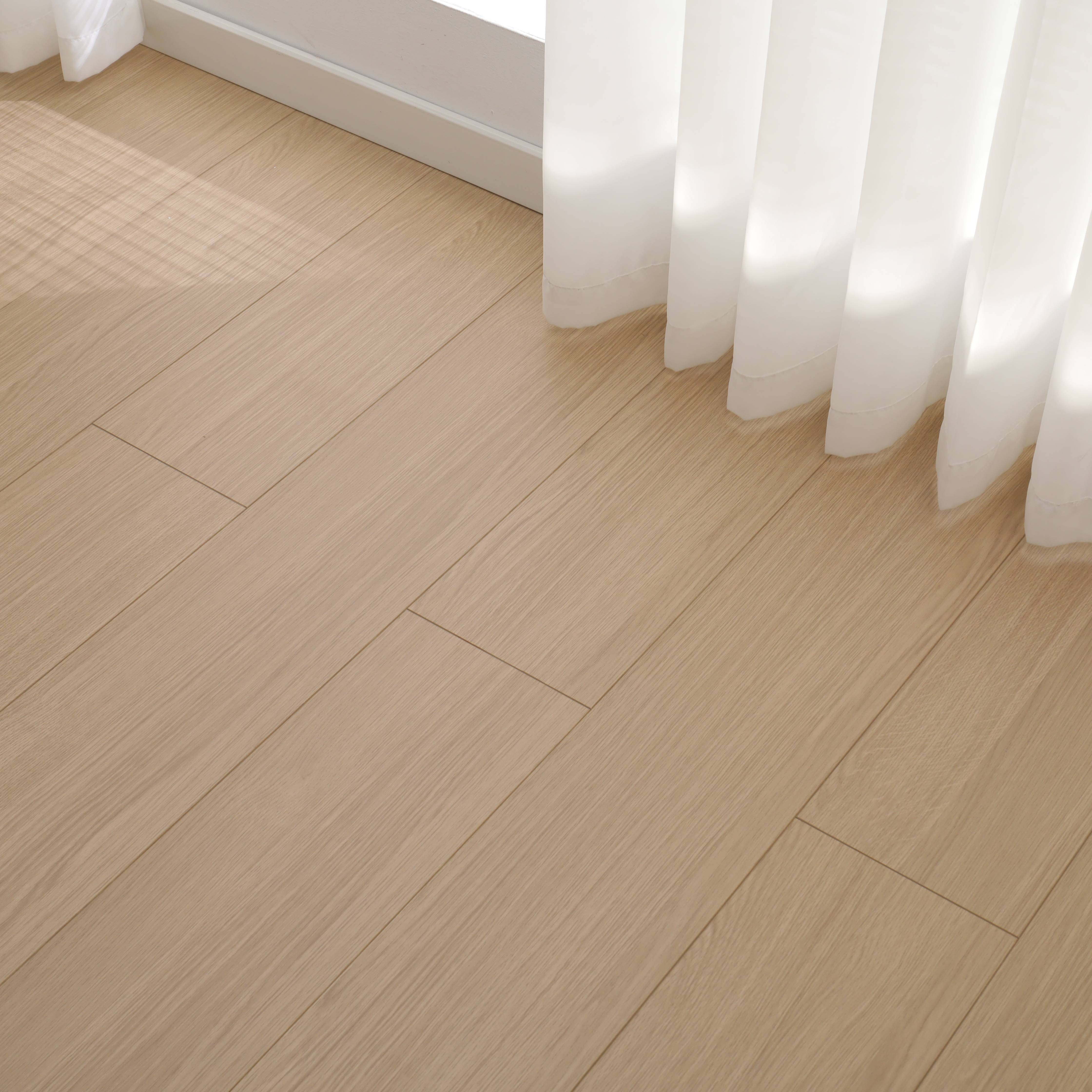
Layered Construction as the Core Durability Mechanism
How load distribution protects the floor structure
A single-piece surface takes direct force with limited internal damping, while a multi-layer floor spreads impact through multiple bonded strata. In practical terms, heel strikes, rolling loads, and repetitive directional traffic are absorbed progressively instead of concentrating stress at one depth. This stress sharing lowers the chance of crack initiation and surface fatigue in high-use paths.
Because each layer has a distinct density and grain orientation profile, a multi-layer floor can handle compressive and shear forces more predictably over time. This becomes especially important in corridors and entrances where movement is constant and often uneven. The result is not only longer wear life but also more stable underfoot feel across the installation.
Why layer bonding quality determines long-term performance
Durability depends heavily on adhesive system performance and bonding uniformity between layers. A multi-layer floor with strong interlayer adhesion resists delamination when exposed to cleaning moisture, thermal cycling, and heavy use. If bond integrity is consistent, force transfer remains efficient across the panel instead of creating weak interfaces.
In high-traffic projects, maintenance teams often focus on visible wear, but hidden bond failure is usually the earlier structural warning. Selecting a multi-layer floor designed for interior wear resistance and stable bonding can protect against this failure mode. That is why construction details matter as much as top-layer appearance during procurement decisions.
Surface Wear Resistance and Core Stability in Daily Use
Top-layer behavior under abrasion and cleaning cycles
The exposed wear layer is the first defense against grit, shoe friction, and repeated cleaning contact. A properly finished multi-layer floor keeps the visible surface intact longer by reducing scratch progression and delaying finish breakdown. In busy environments, this protects both function and presentation, which is critical where flooring supports customer experience or compliance expectations.
Daily maintenance can either preserve or accelerate deterioration, depending on surface chemistry and finish hardness. A durable multi-layer floor is designed to tolerate regular mopping and routine cleaning agents without rapid gloss loss or edge softening. That tolerance extends refinishing intervals and helps teams avoid frequent corrective interventions.
Core and backing layers as dimensional stabilizers
A high-traffic site rarely offers perfectly stable climate conditions throughout the year. HVAC fluctuations, entrance humidity, and localized dampness can cause expansion and contraction stress in conventional systems. A multi-layer floor improves dimensional control by using cross-structured layers that counteract movement tendencies.
This stability reduces risks such as gapping, edge lift, and localized warping, all of which can shorten service life and create safety concerns. When a multi-layer floor holds shape through environmental variation, joints remain tighter and load transfer between panels remains more consistent. Over time, that mechanical consistency translates directly into better durability outcomes.
Durability Gains Across High-Traffic Operational Scenarios
Commercial circulation zones with constant directional traffic
In office lobbies, hotel passages, and retail walkways, traffic usually follows repeatable routes that generate concentrated wear lanes. A multi-layer floor performs well here because it combines abrasion resistance on top with structural support beneath, limiting fast degradation in predictable paths. This helps maintain visual uniformity and reduces patch-repair frequency.
When maintenance windows are short, facility managers need flooring that can absorb daily punishment without immediate intervention. A multi-layer floor supports that requirement by maintaining functional integrity even when footfall intensity spikes during events or seasonal peaks. Lower reactive maintenance means fewer disruptions to occupancy and revenue activity.
Mixed-load interiors where foot traffic meets rolling equipment
Many industrial-adjacent interiors experience both pedestrian flow and occasional trolley or cart movement. This mixed loading introduces repetitive point pressure that can expose weak floor structures quickly. A multi-layer floor mitigates that risk through better force diffusion and higher resistance to deformation at the contact zone.
For project teams evaluating options, performance in mixed-load conditions is a useful durability indicator. A multi-layer floor that retains flatness and surface continuity under combined stress profiles tends to deliver stronger lifecycle value. This is one reason many buyers review engineered construction before focusing on color or texture decisions.
Where technical fit is the priority, evaluating a product-grade multi-layer floor with high wear resistance can align durability goals with practical installation needs. The key is matching layer architecture and wear specifications to real traffic behavior rather than nominal occupancy labels.
Implementation Factors That Preserve Durability Benefits
Subfloor readiness and installation precision
Even the best multi-layer floor cannot compensate for a poorly prepared substrate. Uneven subfloors create stress points, micro-movement, and premature edge wear, especially under heavy circulation. Moisture testing, leveling tolerance control, and acclimatization discipline are essential to unlock full durability potential.
Installation alignment also affects how a multi-layer floor responds to long-term loading. Accurate joint fit and proper expansion allowances reduce internal stress accumulation as environmental conditions shift. These details are not cosmetic; they are structural decisions that influence lifespan from day one.
Maintenance protocols that extend service life
Durability is a lifecycle outcome, so post-installation care matters as much as product selection. A multi-layer floor benefits from routine dry debris removal, controlled moisture cleaning, and protective measures at high-entry points where abrasive particles accumulate. Consistent care slows finish erosion and helps preserve top-layer integrity.
Facility teams should also monitor early wear indicators, including traffic-lane dulling and joint-edge stress marks. Responding early keeps a multi-layer floor in its optimal performance window and avoids escalating repair costs. Over several years, this disciplined approach often determines whether projected durability is fully realized.
FAQ
Is a multi-layer floor more durable than a single-layer option in busy commercial interiors?
In many high-traffic settings, yes. A multi-layer floor is engineered to divide structural responsibilities across layers, so it can manage wear, movement, and impact more effectively. Real durability still depends on installation quality and maintenance standards, but layered construction generally provides stronger long-term resilience under repeated use.
How does moisture variation affect multi-layer floor durability?
Moisture variation can stress any flooring system, but a multi-layer floor typically handles it better because cross-layer structure improves dimensional stability. This reduces risks like warping or joint opening when humidity changes occur. Good subfloor moisture control remains necessary to protect performance over time.
Can a multi-layer floor handle both heavy footfall and cleaning routines?
A properly specified multi-layer floor is designed for that combination. The wear layer resists abrasion from traffic while the underlying layers preserve structural integrity during repeated cleaning cycles. Matching finish characteristics to cleaning chemicals and frequencies is important for consistent results.
What is the biggest mistake that shortens multi-layer floor lifespan?
The most common issue is treating product quality as the only durability factor and overlooking execution. A multi-layer floor can underperform when subfloor conditions, moisture checks, or expansion planning are ignored. Strong installation control and maintenance discipline are the main safeguards for achieving expected service life.
Table of Contents
- Layered Construction as the Core Durability Mechanism
- Surface Wear Resistance and Core Stability in Daily Use
- Durability Gains Across High-Traffic Operational Scenarios
- Implementation Factors That Preserve Durability Benefits
-
FAQ
- Is a multi-layer floor more durable than a single-layer option in busy commercial interiors?
- How does moisture variation affect multi-layer floor durability?
- Can a multi-layer floor handle both heavy footfall and cleaning routines?
- What is the biggest mistake that shortens multi-layer floor lifespan?