 EN
EN


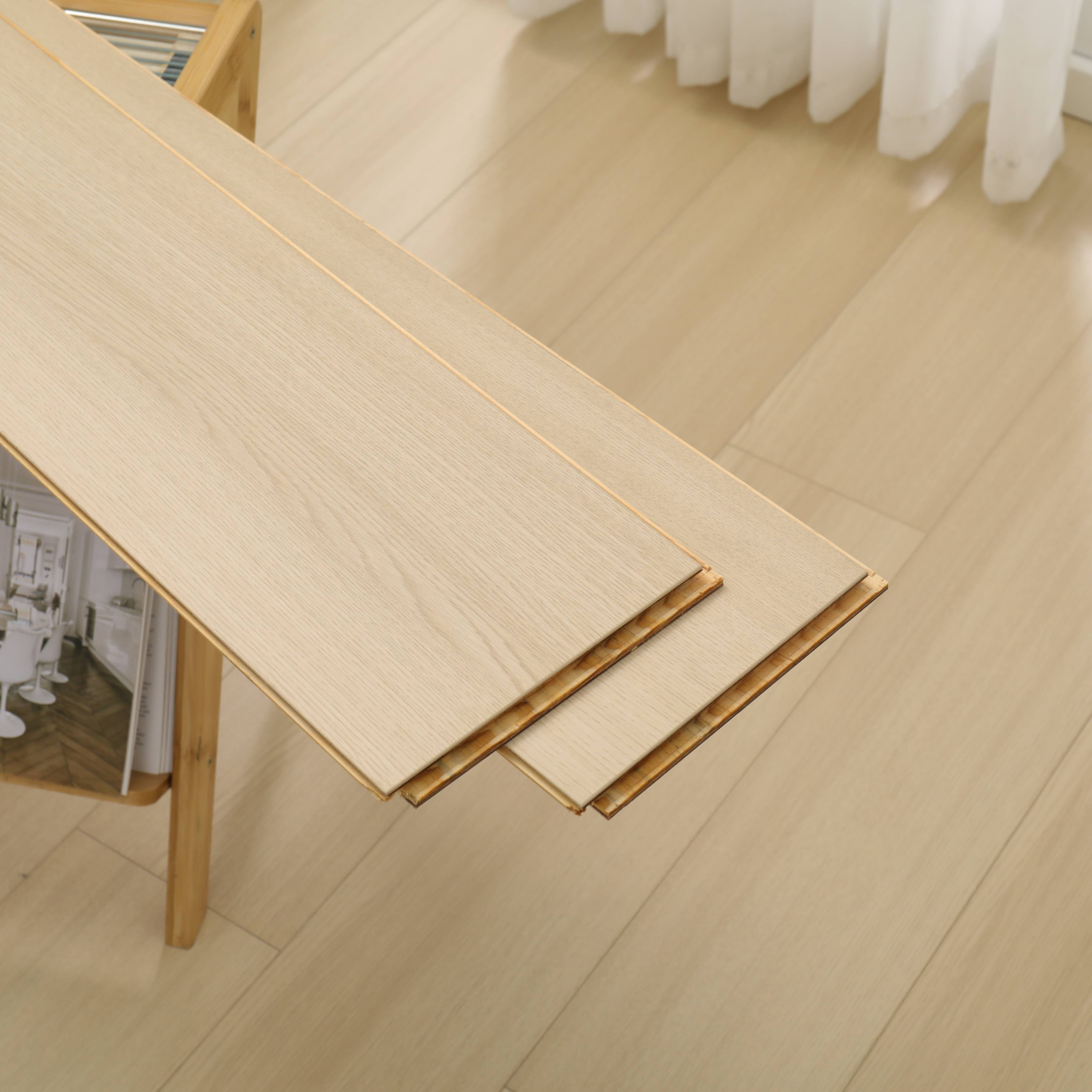
In commercial construction, flooring decisions affect more than aesthetics. The surface under daily foot traffic influences operating cost, maintenance cycles, acoustic comfort, and tenant satisfaction. A multi-layer floor is often selected because it combines structural balance, wear resistance, and visual consistency in demanding spaces. When facility managers ask what value a multi-layer floor brings, the answer is practical: better lifecycle performance with fewer disruptions to business activity.
For offices, retail units, clinics, educational sites, and mixed-use properties, the benefits of a multi-layer floor appear across installation, daily use, and long-term asset management. Rather than focusing only on initial material price, commercial buyers usually evaluate total ownership impact. A well-specified multi-layer floor supports durability, easier upkeep, and consistent interior quality, which makes it a strong option for projects where performance predictability matters as much as appearance.

Core Performance Value in Commercial Environments
Layered construction improves dimensional stability
One major advantage of a multi-layer floor is its engineered structure. Different layers are designed to handle different functions, such as surface protection, decorative finish, and base support. This construction helps the multi-layer floor resist movement caused by humidity fluctuations better than many single-structure alternatives. In commercial buildings where HVAC cycles and occupancy levels shift frequently, this stability reduces visible gaps and edge stress.
Dimensional consistency matters for both visual quality and safety. When flooring remains stable, transitions stay cleaner and the walking surface remains more uniform over time. That means fewer localized repairs and less unplanned maintenance intervention. For property owners, a stable multi-layer floor protects both tenant experience and long-term interior standards.
Wear layer protection extends service life
Commercial sites subject floors to constant abrasion from shoes, rolling furniture, carts, and cleaning equipment. A multi-layer floor typically includes a dedicated wear layer that helps absorb this abuse at the top surface before deeper damage occurs. This design supports appearance retention in high-use zones such as corridors, waiting areas, and open office circulation paths. The result is a more predictable lifespan for the flooring package.
Because the wear layer is purpose-built, cleaning routines can remain simple without rapidly degrading the surface. In many projects, this means less frequent partial replacement in traffic lanes and fewer complaints about uneven aging. Over years of operation, a multi-layer floor can reduce the visible contrast between high-traffic and low-traffic areas, preserving a more professional interior impression.
Financial Benefits Beyond Initial Procurement
Lower lifecycle cost through reduced intervention
Commercial buyers increasingly evaluate flooring through lifecycle cost rather than unit price alone. A multi-layer floor can lower total expenditure by reducing corrective maintenance events and limiting premature replacement. When material performance stays stable, teams spend less on emergency labor, temporary closures, and spot remediation. These secondary savings are often more significant than small differences at procurement stage.
Budget planning is easier when flooring behavior is predictable. A multi-layer floor tends to support scheduled maintenance instead of reactive work, allowing facility teams to allocate resources more effectively. This shift from disruption-driven spending to planned upkeep is a key financial benefit in multi-tenant properties where downtime has direct business impact. In that context, flooring reliability becomes an operational asset, not just a design choice.
Faster occupancy readiness and reduced downtime pressure
Another benefit of a multi-layer floor is installation practicality in renovation and fit-out programs. Commercial projects often run under tight handover deadlines, and flooring delays can cascade into postponed occupancy. Systems designed for efficient installation help keep project timelines intact and reduce pressure on finishing trades. Faster completion can also mean earlier revenue generation for leased spaces.
When maintenance is eventually required, a multi-layer floor often allows more controlled, zone-based intervention rather than broad reconstruction. That helps businesses maintain partial operation during flooring work. For building operators, this supports better service continuity and reduces tenant friction. The financial value comes from preserving usable space while controlling maintenance windows.
Operational Advantages for Facility and Property Teams
Cleaning efficiency and hygiene consistency
Daily operations depend on cleaning efficiency, especially in facilities with strict presentation or hygiene expectations. A multi-layer floor with a durable top surface can support routine cleaning without requiring aggressive chemical protocols. This makes standard operating procedures easier to maintain across large areas and multiple teams. Consistent upkeep protects both appearance and user confidence in the environment.
In commercial settings, cleaning time directly affects labor allocation and service planning. If the floor surface responds well to regular maintenance, teams can complete work faster with fewer specialized interventions. That efficiency benefit scales significantly in large properties. Over time, a multi-layer floor contributes to a more manageable housekeeping program and lower operational strain.
Acoustic comfort and user experience support
Workplace productivity and customer comfort are influenced by acoustics as much as visual design. Depending on build-up and underlayment strategy, a multi-layer floor can help moderate impact noise and footfall transmission. This is particularly relevant in offices, educational facilities, and mixed-use complexes where sound control affects perceived quality. Better acoustic behavior can support concentration, privacy, and occupant satisfaction.
A multi-layer floor also contributes to a more stable underfoot feel when correctly installed over prepared substrates. That tactile consistency matters in spaces with continuous circulation. Combined with visual durability, the comfort profile of a multi-layer floor helps create interiors that feel reliable, professional, and fit for long working hours. For commercial stakeholders, user experience improvements can strengthen retention and brand perception within the property.
Strategic Fit for Different Commercial Use Scenarios
Adaptability across office, retail, and institutional spaces
The benefit profile of a multi-layer floor is not limited to one building type. Offices value appearance continuity and acoustic control, while retail spaces prioritize wear performance and cleaning speed. Institutional environments often focus on safety, durability, and maintenance predictability. A multi-layer floor aligns well with these varied priorities because its layered design balances performance requirements without overcomplicating operations.
In phased renovation programs, consistency across zones is often difficult to maintain when material behavior varies. Choosing a standardized multi-layer floor specification can simplify procurement and quality control between project phases. This helps ensure similar performance outcomes in newly completed and previously finished areas. For portfolio managers, that consistency supports a clearer long-term flooring strategy.
Decision confidence through specification clarity
Commercial flooring decisions improve when technical criteria are explicit from the beginning. Buyers should review wear layer characteristics, dimensional stability, maintenance compatibility, and installation method before final selection. A multi-layer floor with clear performance documentation makes cross-team decision-making easier for procurement, design, and facilities stakeholders. That clarity reduces mismatch risk between design intent and operational reality.
Specification discipline also protects project outcomes after handover. When the selected multi-layer floor is matched to traffic level, cleaning protocol, and environmental conditions, expected benefits are more likely to materialize in daily use. This is where many commercial projects succeed or fail: not in product appearance, but in alignment between technical parameters and real operating conditions. Strong alignment turns flooring from a recurring issue into a dependable infrastructure element.
FAQ
Is a multi-layer floor suitable for high-traffic commercial corridors?
Yes, a properly specified multi-layer floor is generally well suited for high-traffic corridors. Its wear-focused surface design helps resist abrasion from constant movement. Performance depends on selecting the right grade for the expected load profile and maintaining correct installation quality. When those factors are addressed, the floor can maintain appearance and function over extended use cycles.
Does a multi-layer floor reduce long-term maintenance cost?
In many commercial contexts, it does. A multi-layer floor can lower intervention frequency by offering better surface durability and dimensional stability, which reduces corrective repairs. It also supports routine cleaning workflows that are easier to standardize across large sites. The cost benefit is typically seen over the full lifecycle rather than in first-purchase price alone.
Can a multi-layer floor be used in phased renovation projects?
Yes, this is a common use case. A multi-layer floor is often selected in phased upgrades because it supports consistent visual and functional results across separate work stages. That consistency helps building operators maintain quality while minimizing disruption to occupied areas. It also simplifies material planning and maintenance training as the project progresses.
What should buyers verify before selecting a multi-layer floor for commercial buildings?
Buyers should confirm wear performance, stability characteristics, installation requirements, and compatibility with planned cleaning routines. They should also match the multi-layer floor specification to actual traffic intensity and environmental conditions in each zone. Clear technical alignment is essential to realizing the expected commercial benefits. This approach improves durability outcomes and reduces post-installation operational surprises.