 EN
EN


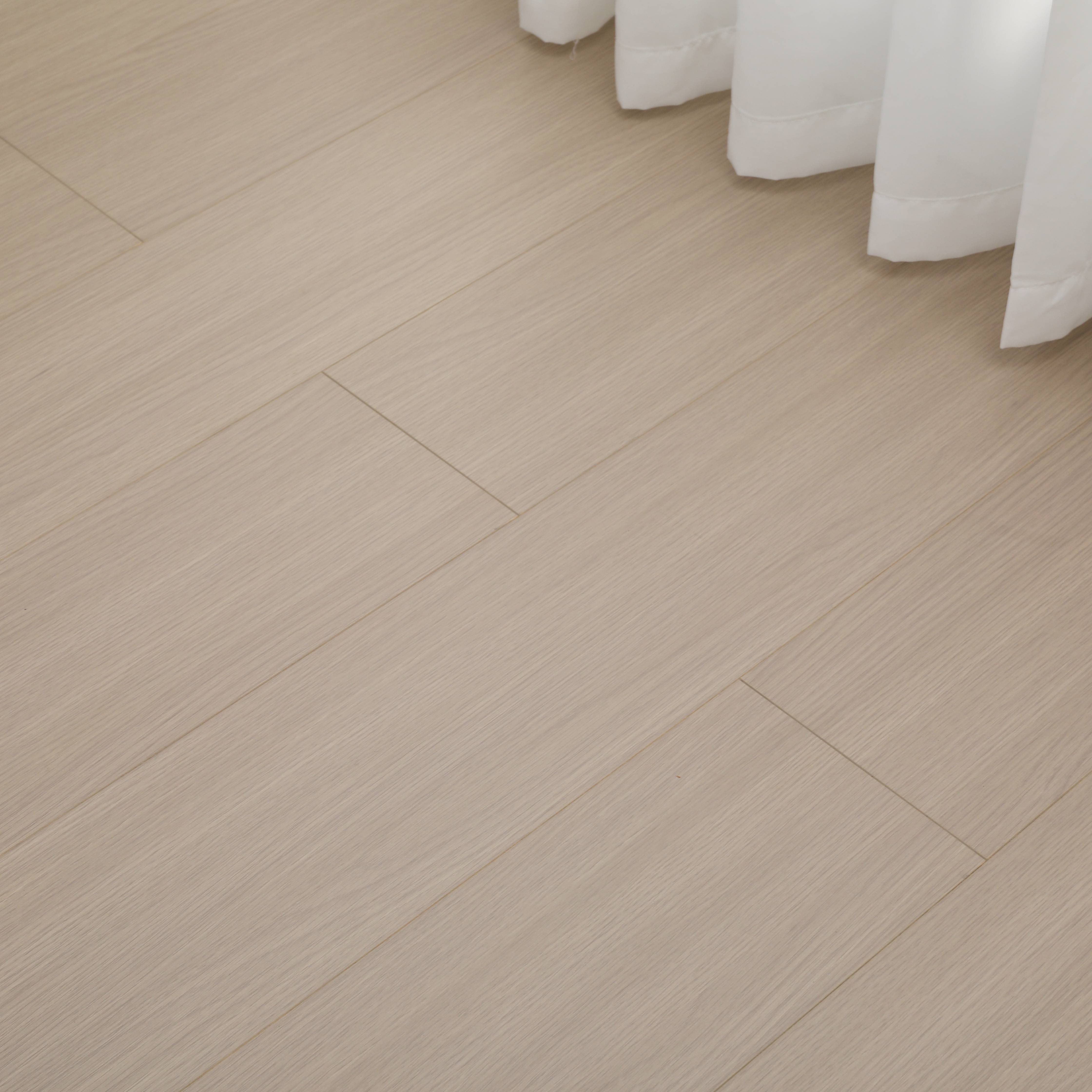
Selecting the right multi-layer floor for an industrial site is a technical decision that affects uptime, safety, maintenance cost, and long-term asset value. In production environments, a multi-layer floor is not just a finish surface; it becomes part of the operating system of the facility. Heavy traffic, rolling loads, moisture swings, and cleaning routines can quickly expose weak specifications. The best choice comes from matching floor structure to actual operating stress, not from choosing by appearance alone.
A practical selection process starts with clear performance criteria, then moves through construction details, installation conditions, and lifecycle economics. When buyers treat every multi-layer floor as interchangeable, they often face premature wear, dimensional movement, and unplanned shutdowns. This guide explains how to choose a multi-layer floor step by step for industrial applications, with decision logic that can be used by procurement teams, plant engineers, and project managers.
Define Industrial Performance Requirements Before Product Screening
Map real operating loads and traffic patterns
The first step in selecting a multi-layer floor is documenting what the surface will actually face every day. Forklift routes, pallet drag points, wheel type, and point load concentration must be recorded zone by zone. A receiving corridor and an assembly area may need different specification levels even inside the same building. Choosing a multi-layer floor based on average use instead of peak use is a common cause of early failure.
Traffic frequency also matters as much as load weight. Repetitive movement along fixed lines can wear through decorative and protective layers faster than occasional heavy movement. When evaluating a multi-layer floor, ask for abrasion performance data tied to realistic use cycles rather than generic marketing language. This creates a measurable basis for comparison and reduces selection risk.
Set environmental and compliance boundaries
Industrial environments can include humidity variation, wet cleaning, chemical exposure, and temperature cycling. The right multi-layer floor needs stable dimensional behavior under those specific conditions. Moisture-prone spaces should prioritize a structure and core balance that resists warping and edge lift. In controlled dry spaces, wear resistance may be the dominant factor instead.
Compliance expectations should also be defined early, including indoor air quality goals and environmental standards required by internal policy. A multi-layer floor with clear material transparency and low-emission construction supports safer occupancy and smoother project approval. Early compliance filtering prevents costly redesign after procurement has started.
Evaluate Multi-Layer Floor Construction for Industrial Durability
Understand layer architecture and structural balance
A multi-layer floor performs well when each layer contributes to stability, load distribution, and surface durability. Top-layer composition affects wear life, while core and backing layers influence stiffness and movement control. Industrial buyers should review how thickness is distributed, not just total thickness. Two products with equal nominal thickness can behave very differently under dynamic load.
Cross-layer orientation and bonding quality are especially important in a multi-layer floor used in facilities with humidity fluctuation. Balanced construction helps limit cupping, gaps, and stress transfer at joints. In practical terms, a stable multi-layer floor protects both process continuity and maintenance budgets by reducing corrective interventions.
Prioritize wear layer performance and surface integrity
In industrial settings, the service life of a multi-layer floor is often governed by top-surface endurance. High wear resistance is essential where carts, equipment wheels, and frequent cleaning create constant friction. Surface hardness and finish quality should be assessed with reference to expected cleaning chemistry and cleaning frequency. The goal is to keep appearance and function stable without aggressive maintenance cycles.
A reliable multi-layer floor should also maintain edge condition and joint integrity over time. Edge breakdown accelerates dirt retention and moisture ingress, which then shortens floor life. When reviewing options, request technical detail on finish resilience and joint behavior under repetitive industrial movement.
Match Installation Method to Site Constraints and Risk Control
Align substrate preparation with floor system needs
Even a high-quality multi-layer floor can underperform when substrate conditions are not controlled. Flatness tolerance, moisture level, and surface integrity of the base all influence final outcome. Industrial installations often run on compressed timelines, but skipping substrate verification introduces long-tail defects that are expensive to correct. A disciplined pre-installation protocol is part of choosing the right multi-layer floor, not a separate issue.
Site survey data should guide whether localized leveling, moisture mitigation, or schedule adjustments are required before installation begins. This prevents adhesion problems, movement stress, and sound instability in operation. A properly installed multi-layer floor starts with compatible conditions, not with post-installation patching.
Plan for operational continuity during deployment
Industrial projects must balance installation quality with production continuity. The selected multi-layer floor should fit shutdown windows, curing constraints, and phased access plans. In facilities that cannot pause fully, section-based installation strategies reduce disruption while maintaining quality control. Decision-makers should include these practical constraints when comparing options.
Transition details at doorways, equipment boundaries, and high-traffic interfaces are critical for long-term performance. A multi-layer floor that looks suitable on paper may still fail operationally if transition design is weak. Selecting for installability under real conditions is a core part of choosing the best multi-layer floor for industrial applications.
Use Lifecycle Cost Logic Instead of Upfront Price Alone
Calculate total cost of ownership across service life
The lowest purchase price rarely delivers the best economic result in industrial flooring. A better decision model evaluates multi-layer floor cost across installation, maintenance, downtime risk, and replacement interval. Frequent repair cycles create hidden expenses through labor diversion and operational interruption. A longer-lasting multi-layer floor can reduce total spending even with higher initial procurement cost.
When cost models include expected wear rate by zone, cleaning regime compatibility, and repairability, decision quality improves significantly. Procurement and engineering teams should define a shared cost horizon so the chosen multi-layer floor supports both financial and operational objectives. This approach turns flooring from a commodity purchase into an asset decision.
Build a decision framework for repeatable selection
A structured selection matrix helps organizations choose a multi-layer floor consistently across sites. Core criteria can include wear resistance, dimensional stability, environmental suitability, installation compatibility, and lifecycle economics. Weightings should reflect actual risk exposure of each facility type. This prevents subjective or appearance-driven decisions.
Over time, performance feedback from installed projects should refine the matrix. That creates a closed-loop improvement process where each new multi-layer floor decision benefits from operational evidence. For industrial buyers managing multiple projects, repeatable methodology is the fastest path to reliable outcomes.
FAQ
How do I know whether a multi-layer floor is suitable for heavy forklift traffic?
Check wear-layer durability, structural balance, and joint performance against your exact wheel loads and route frequency. A multi-layer floor should be evaluated by high-stress zones rather than average traffic assumptions. Request technical data tied to repetitive industrial movement and validate it against your site map.
Can one multi-layer floor specification work across an entire industrial facility?
In many cases, no. Different zones experience different load intensity, moisture exposure, and maintenance patterns, so one multi-layer floor specification may overperform in one area and underperform in another. A zoned approach often improves lifecycle value and reduces failure risk.
What is the most common mistake when selecting a multi-layer floor for industry?
The most common mistake is selecting a multi-layer floor by upfront price or appearance without mapping operational stress and substrate conditions. This leads to early wear, movement issues, and avoidable downtime. The best results come from performance-first criteria and installation planning aligned to site reality.
How often should industrial teams review multi-layer floor performance after installation?
A practical rhythm is an early post-installation check, then periodic reviews tied to maintenance cycles and seasonal condition changes. Tracking how the multi-layer floor performs in high-traffic and moisture-sensitive zones helps teams refine future specifications. Continuous review improves procurement accuracy and long-term facility reliability.
Table of Contents
- Define Industrial Performance Requirements Before Product Screening
- Evaluate Multi-Layer Floor Construction for Industrial Durability
- Match Installation Method to Site Constraints and Risk Control
- Use Lifecycle Cost Logic Instead of Upfront Price Alone
-
FAQ
- How do I know whether a multi-layer floor is suitable for heavy forklift traffic?
- Can one multi-layer floor specification work across an entire industrial facility?
- What is the most common mistake when selecting a multi-layer floor for industry?
- How often should industrial teams review multi-layer floor performance after installation?