 EN
EN


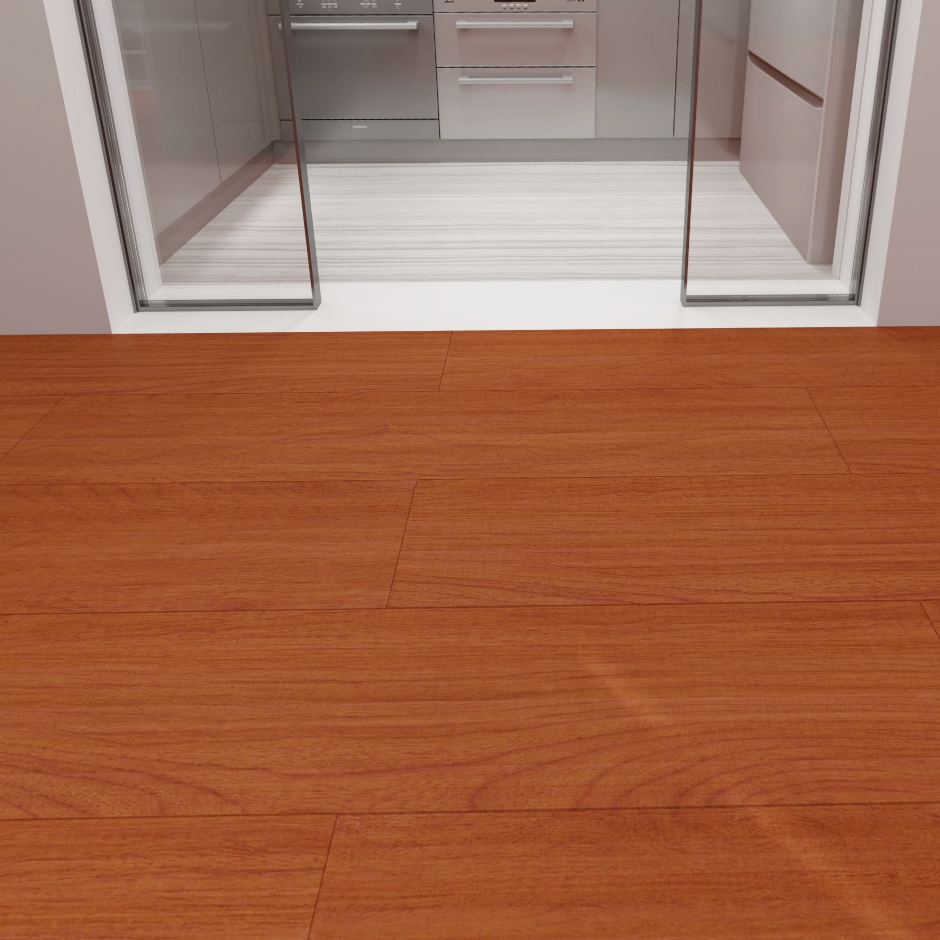
In large-scale construction, flooring is not a finishing detail; it is a long-term operational decision tied to durability, schedule control, and lifecycle cost. A multi-layer floor is often selected because it addresses pressure points that appear only at scale, such as variable indoor climates, heavy foot traffic, phased handovers, and strict maintenance budgets. When project leaders ask why a multi-layer floor is a superior option, they are really asking which floor system will stay stable, look consistent, and reduce downstream disruption across thousands of square meters.
The answer is practical rather than theoretical: a multi-layer floor combines structural balance with installation efficiency and service reliability. Compared with single-structure solutions, a multi-layer floor is engineered to manage expansion stress, daily wear, and cleaning cycles more effectively in demanding commercial environments. For developers, contractors, and facility teams, that translates into fewer corrections during delivery and lower performance risk after occupancy.
Structural Advantages That Matter in High-Volume Builds
Layered engineering improves dimensional stability
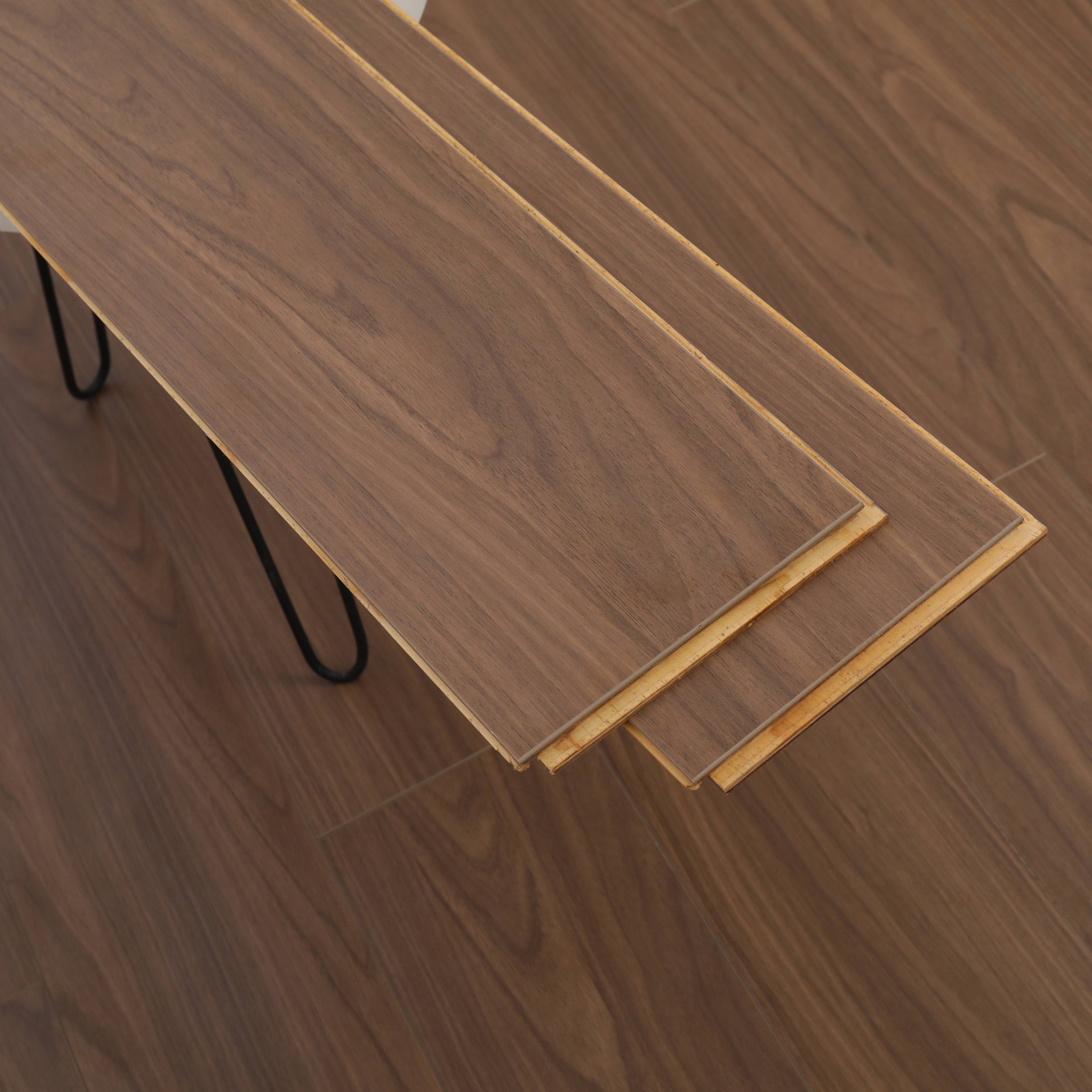
A core reason a multi-layer floor outperforms in large projects is the cross-structured build that resists deformation. In wide open areas, humidity and temperature shifts can trigger movement that causes gaps or edge lifting in less stable systems. A multi-layer floor distributes internal stress across bonded layers, which helps maintain flatness and reduces visible movement lines over time. This matters in office campuses, hospitality corridors, and mixed-use assets where visual consistency is part of asset value.
Because a multi-layer floor is designed for balance, it performs more predictably across different zones of the same property. Entrances, conditioned interiors, and semi-open spaces rarely behave identically, yet the floor finish must still read as one coherent surface. With a multi-layer floor, project teams gain a broader tolerance window without sacrificing finish quality. That reliability reduces claims and rework during the warranty period.
Surface and core roles are optimized separately
Another reason a multi-layer floor is superior is role specialization inside the product. The top layer can prioritize wear resistance and appearance, while the underlying layers prioritize support and stress control. This separation allows a multi-layer floor to balance design goals and mechanical demands without forcing one compromise across the full board thickness. In large-scale developments, that balance is more valuable than chasing one isolated performance metric.
A well-specified multi-layer floor also supports more consistent finish outcomes under repetitive use conditions. In large projects, identical cleaning routines are applied across large zones, and surfaces must respond uniformly. When performance is stable across floors and wings, facility managers can standardize maintenance practice with less troubleshooting. That operational consistency is one of the strongest business arguments for a multi-layer floor.
Cost Efficiency Beyond Initial Material Pricing
Installation speed reduces schedule pressure
Large-scale projects live or fail by sequencing, and flooring delays can ripple into occupancy, commissioning, and tenant fit-out milestones. A multi-layer floor is often easier to install in controlled workflows, helping teams progress faster across repeated floor plates. This is especially important when construction programs include phased opening targets. Choosing a multi-layer floor can therefore protect revenue timelines, not just construction activities.
The value of faster completion is not only labor savings. Earlier section turnover allows earlier systems testing, staged furniture placement, and reduced congestion among trades. A multi-layer floor that supports efficient installation can compress the critical path in practical ways. At project scale, even small daily gains convert into measurable financial impact.
Lifecycle economics favor predictable performance
Material comparison based only on purchase price often misses the real cost curve. A multi-layer floor can lower lifecycle cost by reducing corrective maintenance, partial replacement frequency, and downtime tied to localized failures. In large facilities, one maintenance event can affect wayfinding, safety routing, and tenant operations. Reduced disruption is a direct economic benefit, even when it does not appear on initial procurement sheets.
Procurement teams increasingly model total cost over multi-year operation, and this is where a multi-layer floor frequently demonstrates stronger value retention. Uniform aging, manageable upkeep, and fewer visible defects protect perceived quality in commercial spaces. From a portfolio perspective, the decision to deploy a multi-layer floor supports both budget discipline and asset presentation standards.
Operational Reliability in Real-World Project Conditions
Performance under traffic and cleaning intensity
High-traffic projects demand more than attractive finishes at handover. A multi-layer floor is selected because it is better suited to repeated daily stress from movement, carts, furniture load changes, and cleaning equipment. In practical operation, that means surfaces remain serviceable for longer intervals between interventions. For facility operators, fewer reactive calls and less patchwork protect both maintenance budgets and user experience.
Cleaning intensity is often underestimated during design, yet it heavily influences surface life. A multi-layer floor with an appropriate wear-resistant top layer can handle routine cleaning cycles while retaining visual consistency. This helps prevent uneven sheen or premature wear tracks that make large spaces look older than they are. Over time, a multi-layer floor supports a more controlled and professional appearance across heavily used zones.
Consistency across varied interior zones
Large projects rarely operate as one uniform environment. Different wings may have distinct occupancy density, sunlight exposure, and HVAC patterns. A multi-layer floor provides a more stable baseline across these variables, making performance easier to predict during both design and operation. Predictability is critical when decisions are made at portfolio scale and replicated across multiple buildings.
This is one reason many project teams review options such as multi-layer floor systems early in specification development. Early alignment helps architects, contractors, and operations stakeholders define realistic installation and maintenance standards. When requirements are aligned upfront, handover quality improves and post-occupancy surprises decrease.
Strategic Fit for Developers, Contractors, and Facility Teams
Better risk control from specification to handover
A multi-layer floor supports risk reduction because it aligns with how large projects are procured and delivered. Standardized product behavior simplifies mock-up evaluation, acceptance criteria, and quality inspection across repeated zones. This makes project outcomes less dependent on ideal site conditions and more resilient to normal construction variability. For delivery teams, that is a meaningful advantage in complex schedules.
During handover, consistent floor behavior reduces the number of contested punch-list items. A multi-layer floor that remains stable and visually coherent helps teams close units faster and with fewer disputes about tolerance and finish defects. Faster closeout improves client confidence and frees resources for subsequent phases. In multi-building programs, these gains compound quickly.
Long-term asset value and occupant perception
In B2B environments, flooring influences how occupants perceive quality, cleanliness, and professionalism. A multi-layer floor helps preserve that perception because it tends to age in a more controlled and uniform way when correctly selected and maintained. Consistent interior quality supports tenant retention and strengthens the building’s market position. These outcomes are strategic, not cosmetic.
From an ownership perspective, a multi-layer floor can contribute to better long-horizon planning. When replacement cycles are more predictable, capital planning becomes less reactive and easier to budget. Facility teams can coordinate maintenance windows with less operational disruption. For large-scale projects, this planning clarity is a core reason a multi-layer floor is considered a superior choice.
FAQ
Why is a multi-layer floor often preferred over single-structure flooring in large projects?
A multi-layer floor is often preferred because it combines structural stability, efficient installation, and dependable long-term performance. Large projects face varied indoor conditions and heavy usage, so stability under stress is essential. A multi-layer floor usually handles these conditions with fewer deformation risks and fewer post-installation corrections. That makes project delivery and operation more predictable.
Does a multi-layer floor really reduce total project cost?
In many large-scale cases, yes, because total cost includes labor efficiency, schedule impact, maintenance, and disruption after handover. A multi-layer floor can reduce rework, shorten installation timelines, and lower correction frequency during operation. While initial price is one factor, lifecycle performance often drives the stronger economic result. This is why decision-makers evaluate multi-layer floor options using whole-life costing.
Is a multi-layer floor suitable for high-traffic commercial environments?
A properly specified multi-layer floor is well suited to high-traffic spaces because its layered construction helps maintain dimensional stability and serviceable surfaces. It performs reliably in corridors, shared work areas, and mixed-use interior zones where repeated wear is expected. With the right cleaning and maintenance routine, a multi-layer floor can preserve appearance and function over longer operating periods. That suitability is one of its major advantages in commercial portfolios.
What should procurement and technical teams verify before selecting a multi-layer floor?
Teams should verify construction quality, wear-layer suitability, installation compatibility, and expected maintenance profile for the intended use case. It is also important to align specification, site conditions, and handover standards early so the multi-layer floor performs as expected in real operations. Clear technical criteria reduce ambiguity between design intent and execution. This process helps ensure the chosen multi-layer floor delivers the value promised at project scale.
Table of Contents
- Structural Advantages That Matter in High-Volume Builds
- Cost Efficiency Beyond Initial Material Pricing
- Operational Reliability in Real-World Project Conditions
- Strategic Fit for Developers, Contractors, and Facility Teams
-
FAQ
- Why is a multi-layer floor often preferred over single-structure flooring in large projects?
- Does a multi-layer floor really reduce total project cost?
- Is a multi-layer floor suitable for high-traffic commercial environments?
- What should procurement and technical teams verify before selecting a multi-layer floor?