 EN
EN


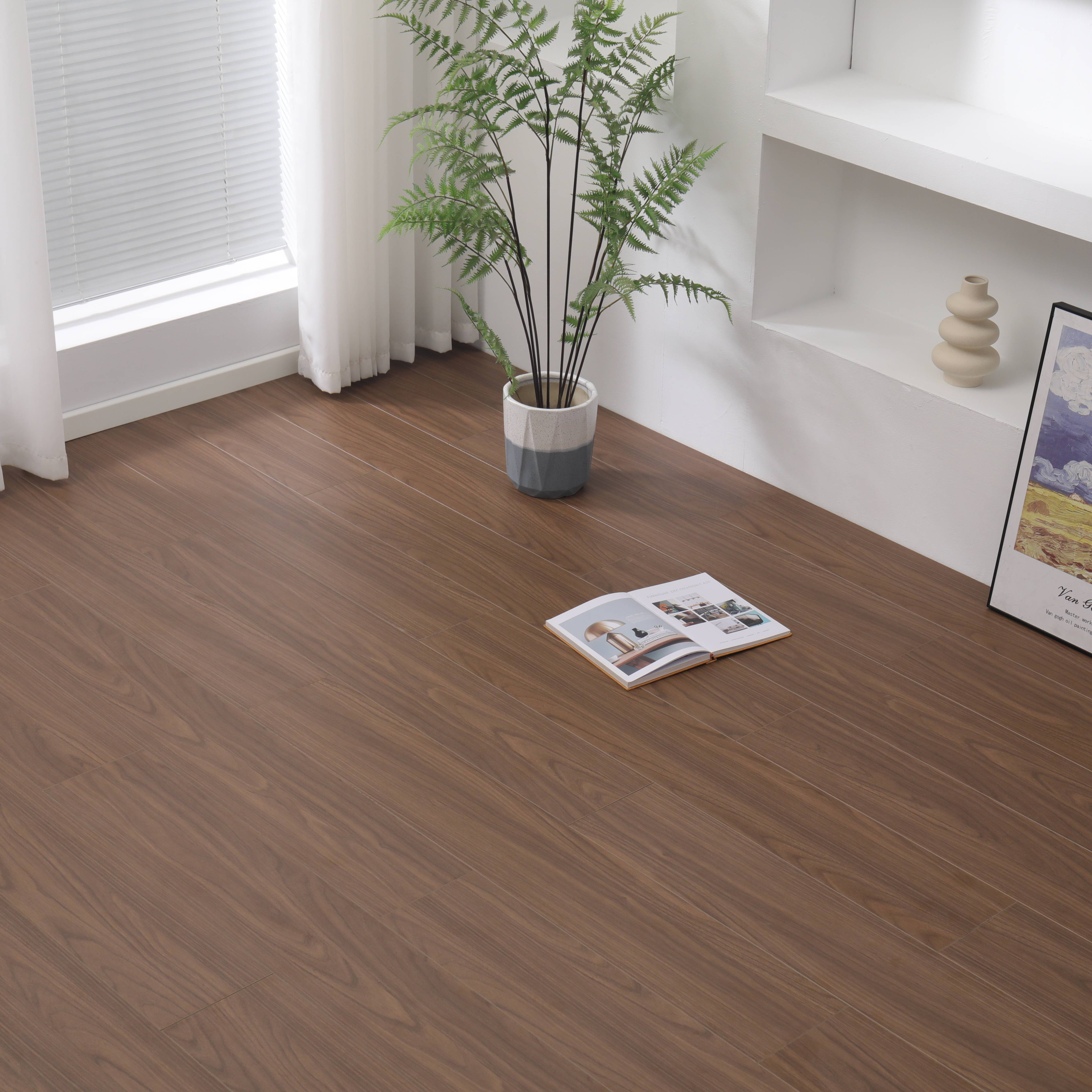
Choosing the right silent floor for an office starts with one practical truth: noise control is not only about making a space feel calm, it directly affects concentration, speech privacy, and meeting quality. A silent floor works best when it is selected as part of an acoustic strategy, not as a decorative afterthought. In open-plan environments, footsteps, chair movement, and rolling traffic can become a constant layer of distraction, so the floor system has to absorb and interrupt those sounds at source. When decision makers treat a silent floor as an operational investment, they usually see better outcomes in both daily productivity and long-term facility performance.
The best way to choose a silent floor is to move through a clear sequence: define your office noise profile, evaluate technical flooring properties, match those properties to each workspace zone, and validate installation and lifecycle requirements before purchase. This process prevents common mistakes, such as selecting a product with good visual appeal but weak impact sound control. A well-matched silent floor can reduce hard-surface reverberation, soften walking noise, and support more stable indoor comfort. The result is an office that sounds more controlled without compromising durability or maintenance efficiency.

Define the Office Noise Problem Before Selecting Materials
Map where floor-borne noise is actually generated
Before comparing products, identify where noise originates and how it travels through your office. In many workplaces, the loudest and most frequent floor-related sounds come from circulation paths, collaboration zones, and desk clusters with frequent movement. A silent floor should be selected based on these activity patterns, because the same material may perform differently in low-traffic and high-traffic areas. Site observation during peak periods gives more useful input than assumptions made from floor plans alone.
You should also distinguish between impact noise and reflected noise, since each responds differently to flooring design. Impact noise includes footsteps, dropped items, and chair leg contact, while reflected noise is the sound that bounces in a hard room and increases overall loudness. A silent floor with the right surface and backing can reduce both effects, but the balance depends on product construction. Defining these conditions early improves specification accuracy and reduces costly redesign later.
Set performance goals tied to work outcomes
A silent floor decision becomes clearer when acoustic targets are linked to business use cases. For example, in focused work areas, the goal may be fewer interruption events per hour, while in meeting corridors, the goal may be reduced sound spill near conference rooms. This shifts purchasing from generic preference to measurable intent. It also helps align facilities, procurement, and leadership around one shared decision framework.
Performance goals should include durability and cleaning realities, not just acoustic ambition. A silent floor that lowers noise but fails under daily rolling loads or frequent cleaning can create replacement risk and disruption. For office settings, balanced performance usually wins over single-metric optimization. When acoustic control, wear resistance, and maintenance compatibility are evaluated together, the selected silent floor is more likely to stay effective over time.
Evaluate Technical Properties That Make a Silent Floor Effective
Assess core structure, surface behavior, and underlayer compatibility
Not every floor marketed for comfort functions as a true silent floor in office conditions. The structural core affects dimensional stability and vibration transfer, while the surface layer influences contact noise from shoes and furniture. Products with stable construction and controlled surface hardness generally deliver more consistent acoustic behavior across seasonal changes. This matters in climate-controlled buildings where thermal and humidity cycles still affect material performance.
Underlayer compatibility is equally important because the floor and underlayment operate as one system. A silent floor can lose much of its benefit if paired with the wrong base layer or installed over uneven subfloors. During technical review, check how the system handles impact damping, edge integrity, and long-run compression. The best outcomes come from matching the floor assembly to real office loading patterns instead of selecting components in isolation.
Balance acoustic comfort with operational durability
In B2B environments, acoustic performance must coexist with practical durability. A silent floor used in offices needs to withstand rolling chairs, frequent cleaning passes, and repeated movement near entries and shared equipment points. If the top layer wears prematurely, the acoustic experience can degrade as micro-roughness and joint stress increase local noise. This is why technical documentation should be reviewed in parallel with on-site usage demands.
Decision teams often benefit from testing samples in a live zone before full deployment. A pilot area reveals how a silent floor responds to actual traffic, furniture movement, and maintenance routines. It also helps stakeholders hear the difference in daily context rather than relying only on laboratory impressions. For project teams seeking a practical reference point, this silent floor example illustrates how stability-focused construction can align with office use requirements.
Match Silent Floor Specifications to Different Office Zones
Prioritize high-movement circulation and transition spaces
Corridors, printer paths, and entry-adjacent routes usually create the highest frequency of floor noise events. In these areas, a silent floor should emphasize impact moderation and long-term wear consistency to prevent sound levels from creeping upward as traffic accumulates. Flooring transitions should also be designed carefully, since poorly managed joints can become local noise points. Choosing a silent floor for these zones is often where the largest audible improvement appears first.
You should treat transition design as part of acoustics, not only aesthetics. Sudden material changes can shift footfall sound character and create perceived noise spikes even when average levels are moderate. A well-integrated silent floor across connected pathways helps maintain acoustic continuity and reduces the sense of disruption during movement. This is especially useful in offices with frequent cross-team collaboration.
Support focus areas and meeting-adjacent environments
Quiet work zones require a silent floor that limits both direct impact sound and secondary reflections. In focused areas, even small repetitive noises can reduce task persistence and increase fatigue over long sessions. Flooring with stable acoustic behavior helps maintain a predictable sound background, which supports concentration. When combined with thoughtful furniture layout, the silent floor becomes a foundational control layer.
Meeting-adjacent spaces need careful treatment because traffic often peaks right before and after discussions. A silent floor in these areas can reduce corridor disturbance and help maintain better speech clarity inside rooms. This becomes more important in hybrid offices where confidential calls and in-person collaboration happen side by side. By zoning specifications instead of applying one generic standard everywhere, teams select a silent floor configuration that fits real acoustic risk.
Plan Installation and Lifecycle Execution for Lasting Results
Control subfloor readiness and installation quality
Even the best silent floor can underperform if installation quality is weak. Subfloor flatness, moisture control, and edge preparation affect contact stability and acoustic output from day one. Small installation errors often appear later as joint movement, localized clicking, or amplified chair noise. A disciplined pre-installation inspection reduces these risks and protects your acoustic objectives.
Installation sequencing also matters in active office projects. When teams phase work by zone, they should preserve consistent methods across phases so the silent floor behaves uniformly throughout the site. Quality checks during each phase are more reliable than waiting for final completion review. This approach helps prevent patchy acoustic experience between departments.
Align maintenance protocols with acoustic retention
Maintenance practice influences how long a silent floor remains quiet in service. Cleaning tools, chemical selection, and furniture glide condition all affect surface friction and contact sound over time. If maintenance teams are not briefed on flooring-specific care, noise can increase gradually even when the floor looks acceptable. Clear operational guidance protects both visual finish and acoustic function.
Lifecycle planning should include periodic acoustic checks in high-traffic zones. These reviews can detect early signs of wear-related noise before complaints spread across teams. A silent floor performs best when facilities management treats sound quality as an ongoing performance metric. In long-term occupancy models, this disciplined approach lowers disruption and extends flooring value.
Build a Decision Framework That Supports Procurement Confidence
Use cross-functional criteria rather than single-point selection
Choosing a silent floor becomes easier when procurement, facilities, and workplace leaders apply shared evaluation criteria. Acoustic behavior, durability, installation requirements, and maintenance impact should be weighted together to reflect operational reality. A narrow focus on initial price can overlook downstream costs linked to rework, disruption, or reduced employee comfort. Cross-functional scoring improves decision quality and reduces internal disagreement.
Documentation should capture why a specific silent floor was selected for each zone profile. This creates traceability for future renovations and helps maintain consistency across multiple office locations. It also allows teams to compare post-installation outcomes against original targets. Over time, these records strengthen procurement confidence and accelerate future project planning.
Validate long-term value through occupancy and performance context
A silent floor delivers real value when it supports the way people work every day, not just when the project is handed over. Offices with high collaboration intensity may prioritize movement noise control, while focus-heavy environments may prioritize sustained acoustic calm near workstations. The same floor category can perform differently depending on occupancy rhythms and space planning. Decision makers should evaluate flooring in that context before final approval.
When this context-led method is followed, the selected silent floor is far more likely to meet expectations after move-in. Teams experience fewer noise complaints, cleaner meeting transitions, and steadier concentration conditions. In practical terms, that means the flooring decision contributes to workplace performance instead of becoming a recurring facilities issue. That is the core of choosing the best silent floor for office noise reduction.
FAQ
How quickly can a silent floor improve perceived office noise?
Most offices notice an immediate change in footfall character and movement noise once a silent floor is installed correctly. The strongest early effect is often in corridors and shared pathways where repetitive impact sound is highest. Full perception benefits typically become clearer after teams settle into normal occupancy patterns for several weeks. Consistent maintenance then helps preserve that improvement.
Is a silent floor only useful in open-plan offices?
A silent floor is valuable in open-plan layouts, but it is also useful in private-office and mixed-format workplaces. Any environment with movement, chair traffic, or meeting turnover can benefit from floor-based noise control. In enclosed layouts, a silent floor often improves transition zones and room-adjacent circulation where interruptions occur. Its role depends on traffic behavior, not only on layout type.
Can one silent floor specification work for every office area?
One specification can work across an office, but it is not always the most effective approach. Different zones have different acoustic and wear profiles, so a silent floor strategy that adapts by area often performs better. Circulation paths, focus zones, and collaboration spaces rarely share identical demands. Zoning decisions usually produce stronger long-term outcomes than uniform selection.
What is the biggest mistake when selecting a silent floor?
The most common mistake is choosing a silent floor based only on appearance or upfront cost without validating acoustic fit and installation conditions. This can lead to underperformance even when the product is high quality. Another frequent issue is ignoring subfloor readiness, which can create avoidable noise after occupancy. A structured evaluation process prevents these problems and improves project reliability.
Table of Contents
- Define the Office Noise Problem Before Selecting Materials
- Evaluate Technical Properties That Make a Silent Floor Effective
- Match Silent Floor Specifications to Different Office Zones
- Plan Installation and Lifecycle Execution for Lasting Results
- Build a Decision Framework That Supports Procurement Confidence
- FAQ