 EN
EN


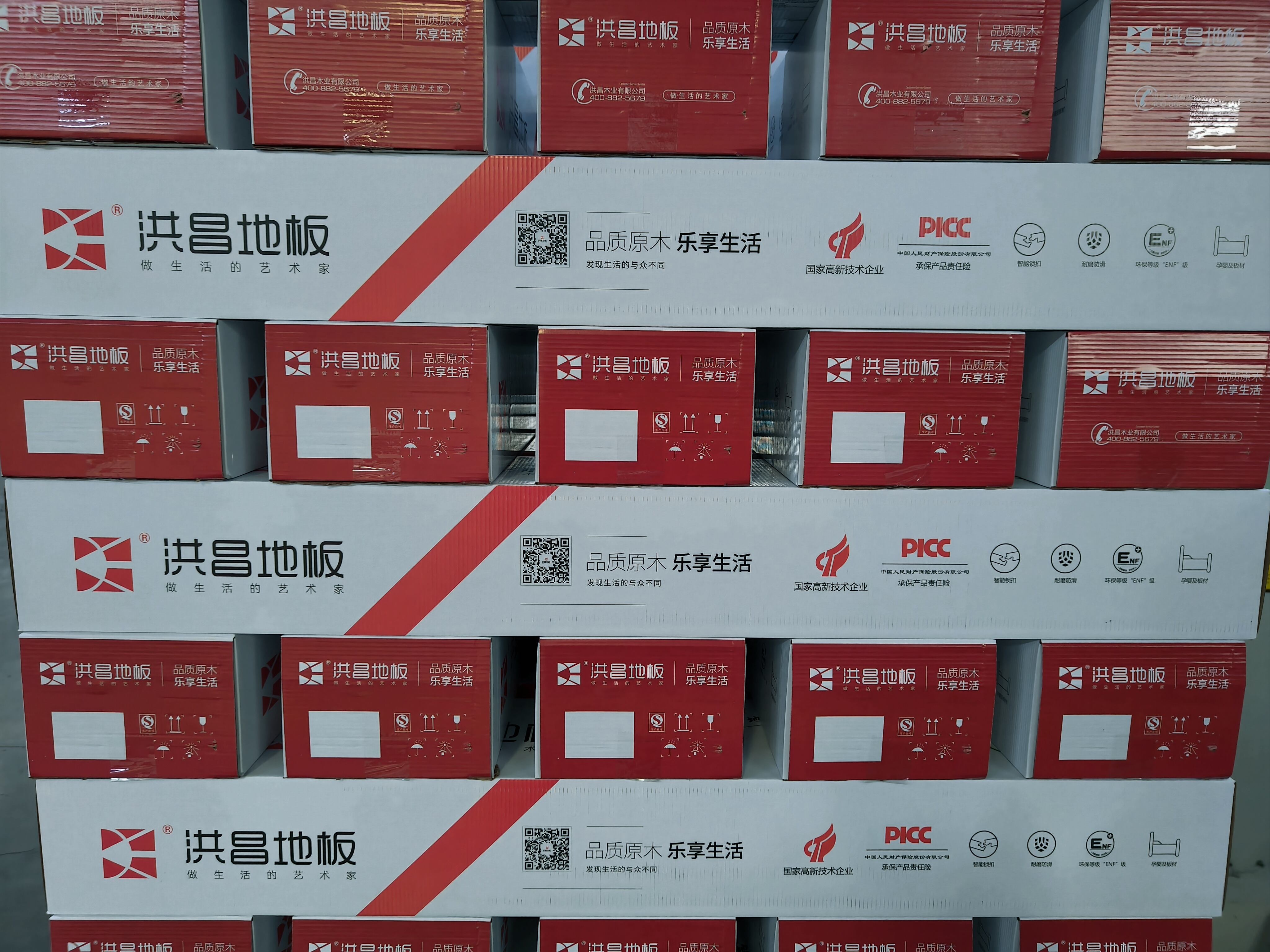
In global construction, material decisions are rarely local decisions anymore. Developers, contractors, and procurement teams now plan across multiple regions, and that shift has made exporting plywood a practical business strategy rather than a niche trade activity. When projects run in parallel across different climates and regulatory environments, a stable flow of plywood supply becomes a planning advantage. The core value of exporting plywood is not only volume movement, but predictable quality, delivery consistency, and wider project reach.
For companies involved in global construction projects, the benefits of exporting plywood appear across commercial, operational, and technical layers. It can improve bid competitiveness, reduce site disruptions, and support standardized build outcomes across countries. It can also help balance seasonality and demand cycles between domestic and overseas markets. Understanding these benefits in practical terms helps decision-makers treat exporting plywood as part of long-term project strategy, not just a shipping transaction.
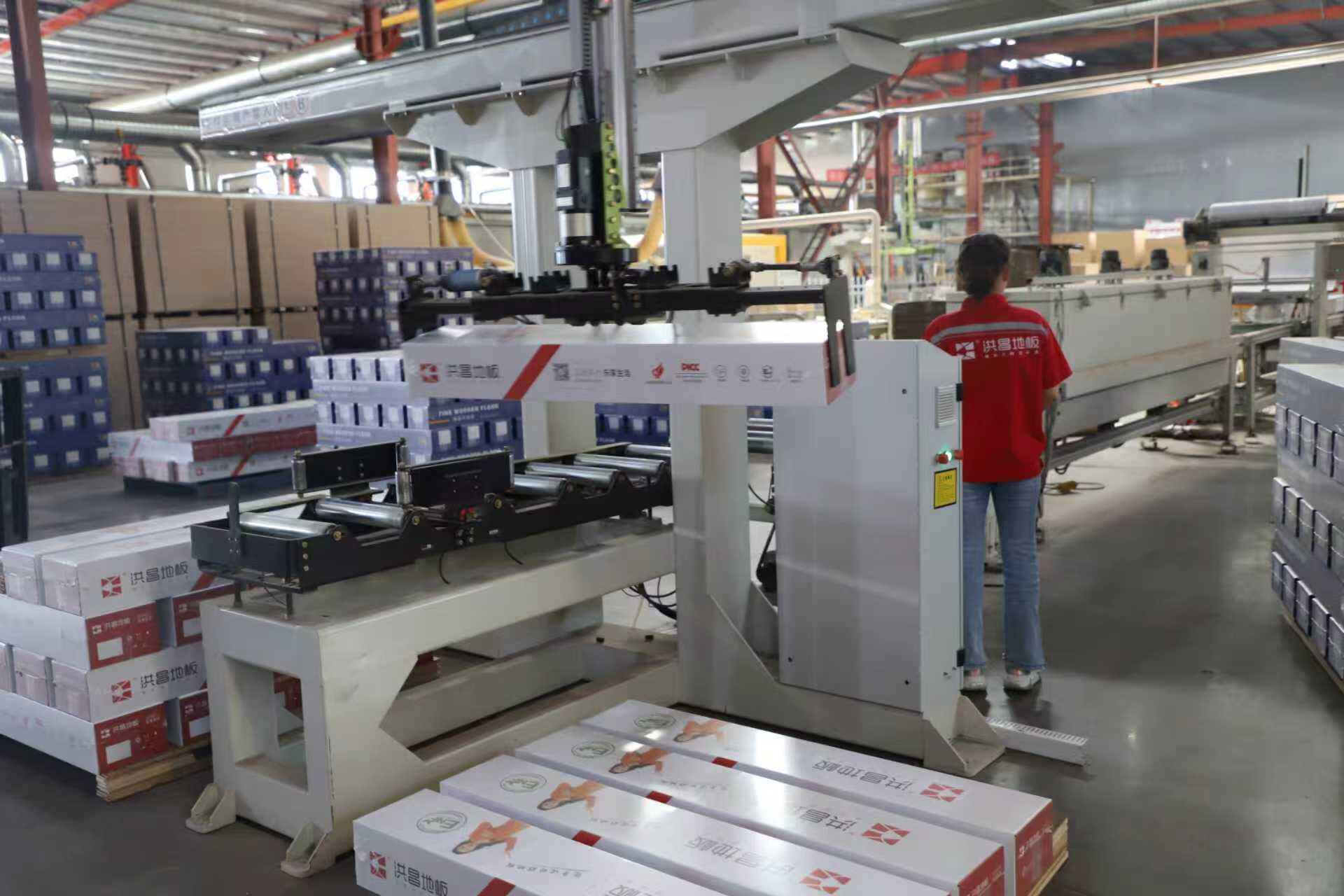
Strategic Business Value in International Construction Supply Chains
Market expansion and revenue resilience
One of the clearest benefits of exporting plywood is access to broader demand pools beyond domestic construction cycles. When one market slows due to policy, financing constraints, or weather conditions, another region may accelerate infrastructure and commercial development. Exporting plywood allows producers and distributors to smooth revenue by serving multiple geographies with different demand timing. This diversification supports stronger business continuity and reduces overdependence on a single regional pipeline.
From a B2B perspective, exporting plywood also increases exposure to larger and more complex projects that require recurring procurement. Global contractors often prefer suppliers that can support repeat specifications across countries, and exporting plywood enables that relationship model. Over time, the supplier becomes embedded in procurement frameworks, not just one-time purchase orders. That transition from transactional sales to program-based supply is a major commercial advantage.
Stronger positioning in project tender environments
In competitive tender scenarios, procurement teams evaluate not only price but confidence in supply execution. Exporting plywood can strengthen tender credibility when suppliers demonstrate logistics readiness, documentation accuracy, and quality traceability. Construction buyers managing tight milestones value partners that reduce uncertainty across customs, transport handoff, and final site receipt. As a result, exporting plywood can contribute directly to improved win rates in cross-border projects.
This advantage grows when technical documentation and shipment planning are aligned with project schedules. Exporting plywood with clear packaging standards, moisture management controls, and batch-level consistency helps downstream teams avoid installation disruptions. In global construction, fewer disruptions translate into lower indirect costs, including labor idle time and rework exposure. The business case becomes visible at both the procurement stage and the execution stage.
Operational Benefits for Project Planning and Delivery Reliability
Better continuity for multi-country construction programs
Large developers and engineering teams often run simultaneous projects in different countries under similar design frameworks. Exporting plywood supports continuity by enabling coordinated supply to each site using comparable product specifications. That consistency simplifies planning for formwork systems, interior fit-out schedules, and subcontractor training. Instead of adapting to fragmented local sourcing outcomes, project managers can plan around predictable material behavior.
When exporting plywood is structured with forecast-based production and shipping windows, material availability becomes more predictable. Predictability reduces emergency substitutions that can trigger redesign or delayed approvals. It also improves warehouse planning at destination ports and inland distribution centers. For construction operations, this type of continuity protects schedule integrity across project phases.
Reduced disruption from regional supply volatility
Regional markets can face short-term volatility due to seasonal harvesting constraints, transport bottlenecks, or abrupt demand spikes. Exporting plywood provides a risk-balancing channel by allowing procurement teams to source from diversified production streams. This is particularly important for projects with strict handover dates where material delays create cascading penalties. In practice, exporting plywood helps prevent critical path disruption caused by single-market constraints.
Operational resilience improves further when shipment planning includes phased dispatch tied to site consumption rates. Rather than overstocking and risking storage damage, construction teams can receive material in planned waves. Exporting plywood under this model supports cash-flow discipline while protecting site efficiency. Reliable inflow also reduces pressure on last-minute local purchasing, which is often expensive and inconsistent in quality.
Technical and Quality Advantages Across Diverse Build Conditions
Consistency in specification-driven construction
Global projects increasingly rely on repeatable specifications to maintain design intent and compliance outcomes. Exporting plywood can support that requirement by delivering standardized panels across multiple destinations under controlled production protocols. Consistency in thickness tolerance, bonding quality, and surface finish reduces variation during installation. That consistency is a practical reason many procurement teams prioritize exporting plywood for coordinated international work.
Technical reliability matters because construction workflows are interdependent. If one material category deviates, related trades may need adjustment, causing delays and added supervision. Exporting plywood with dependable performance characteristics helps maintain sequencing across framing, cladding support, and interior applications. It also improves confidence during inspection and approval stages where documentation and delivered quality must align.
Adaptability to climate and application requirements
Different project locations demand different performance profiles, especially regarding moisture exposure and dimensional stability. Exporting plywood allows suppliers and buyers to align product selection with specific site conditions rather than using a one-size-fits-all approach. This flexibility is useful for indoor fit-outs, temporary structural use, and areas where humidity fluctuation can affect long-term behavior. By matching panels to operating conditions, exporting plywood supports durability and reduces avoidable replacement cycles.
Specification alignment also helps when projects operate under varying technical standards across jurisdictions. Exporting plywood with clear quality documentation enables smoother approval by consultants, developers, and quality assurance teams. A practical example is using exporting plywood programs that emphasize warp resistance and stable indoor performance for repeat interior layouts. This kind of fit-for-use approach improves lifecycle value without inflating procurement complexity.
Financial and Relationship Benefits for Long-Term Global Growth
Improved cost control over project lifecycles
While unit price always matters, total installed cost is the better metric in international construction. Exporting plywood can lower total cost by reducing rework, minimizing emergency sourcing, and improving site productivity through consistent material quality. Stable supply scheduling also helps avoid expensive acceleration measures when timelines slip. Over multiple phases, these operational savings often outweigh small differences in purchase price.
Financial planning improves when exporting plywood is integrated into annual procurement frameworks. Buyers gain clearer forecasting inputs, and suppliers can optimize production allocation to support volume commitments. This alignment can reduce cost volatility and improve budgeting confidence across long-duration programs. In B2B practice, predictable cost behavior is a major advantage for both developers and contractors reporting to strict investment controls.
Stronger cross-border partnerships and repeat business
Another key benefit of exporting plywood is relationship depth with international buyers who value dependable execution. Delivering consistent shipments, responsive communication, and accurate compliance documentation builds trust over time. Trust then converts into longer contract horizons, earlier involvement in project planning, and more stable order pipelines. For suppliers, exporting plywood becomes a pathway to strategic account growth rather than isolated spot sales.
On the buyer side, reliable supply partnerships reduce procurement friction and administrative load. Teams spend less time resolving shipment exceptions and more time optimizing build outcomes. Exporting plywood under a partnership model also supports knowledge transfer around packaging, handling, and application best practices. That shared learning improves performance on future projects and raises execution confidence in new markets.
FAQ
Why does exporting plywood matter more for global projects than local projects?
Global projects involve longer lead times, cross-border logistics, and tighter coordination across many stakeholders, so material reliability has a wider impact. Exporting plywood provides structured supply pathways that reduce uncertainty around availability and quality consistency. In local projects, substitution can sometimes be easier, but in global programs substitutions often trigger compliance and scheduling complications. That is why exporting plywood delivers proportionally greater value in international construction environments.
Can exporting plywood help reduce construction delays?
Yes, exporting plywood can reduce delay risk when shipping plans, documentation, and product specifications are aligned with project milestones. Predictable arrivals help maintain installation sequencing and limit labor downtime. It also reduces dependence on last-minute local sourcing, which can introduce quality and approval issues. The delay reduction comes from process discipline, not from shipping speed alone.
Is exporting plywood only beneficial for large contractors?
No, mid-sized contractors and project integrators also benefit from exporting plywood, especially when they manage repeat project types across regions. Standardized material inputs can simplify design coordination, procurement routines, and quality control regardless of company size. Smaller organizations often gain significant planning stability from dependable export supply. The main requirement is clear demand forecasting and supplier coordination.
How does exporting plywood support quality assurance teams?
Export-oriented supply programs typically require clearer product documentation, traceability records, and shipment-level consistency controls. These elements help quality assurance teams verify that delivered material matches approved specifications. Exporting plywood also reduces variability that can create inspection disputes or field-level corrective work. As a result, QA teams can manage compliance with greater confidence and lower administrative burden.