 EN
EN


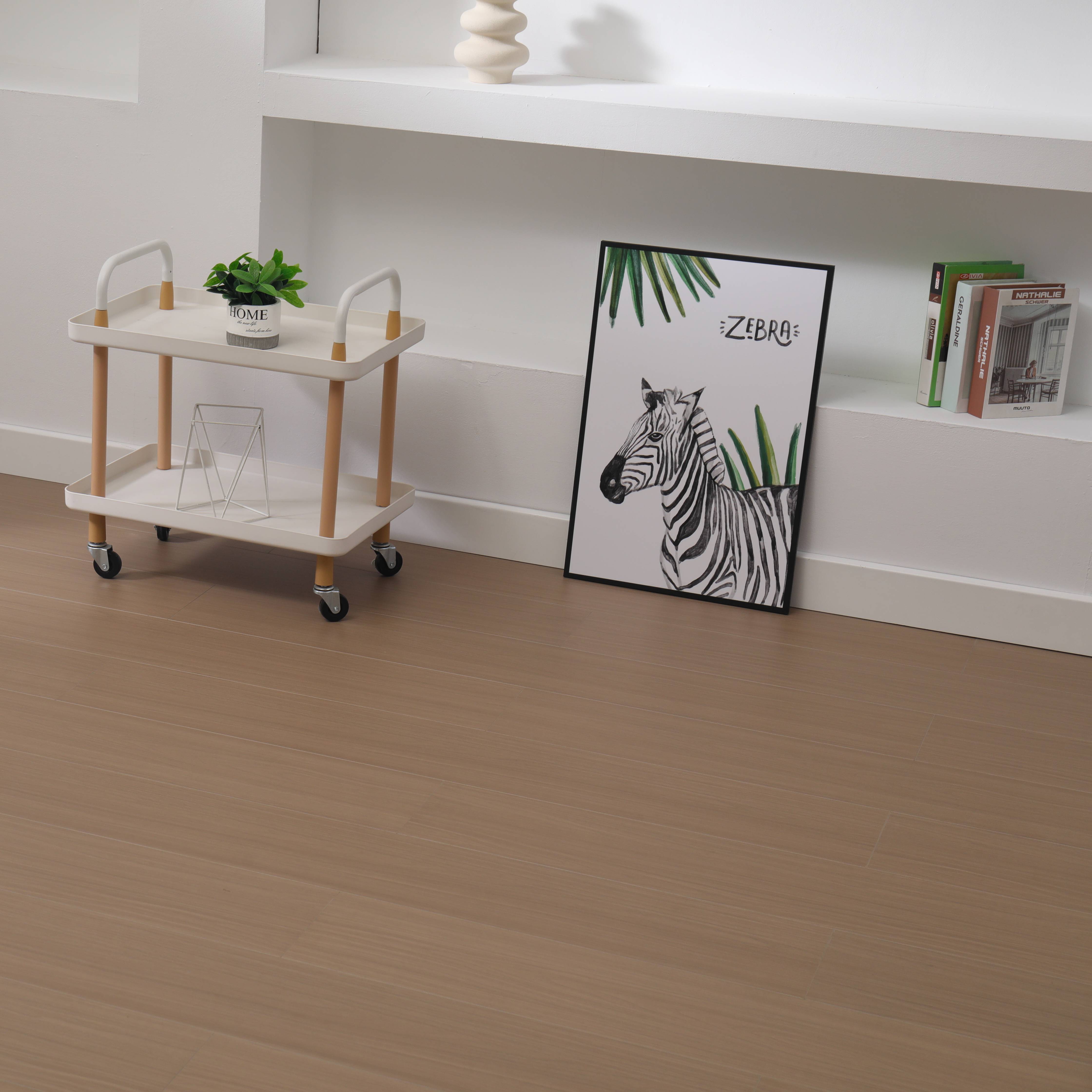
Selecting the appropriate glue-free flooring for rapid renovation projects requires careful consideration of multiple technical and practical factors that directly impact installation speed, durability, and long-term performance. Modern glue-free flooring systems have revolutionized the renovation industry by eliminating adhesive curing times, reducing labor costs, and enabling immediate occupancy after installation, making them the preferred choice for commercial spaces, residential upgrades, and time-sensitive projects where minimizing downtime is critical.
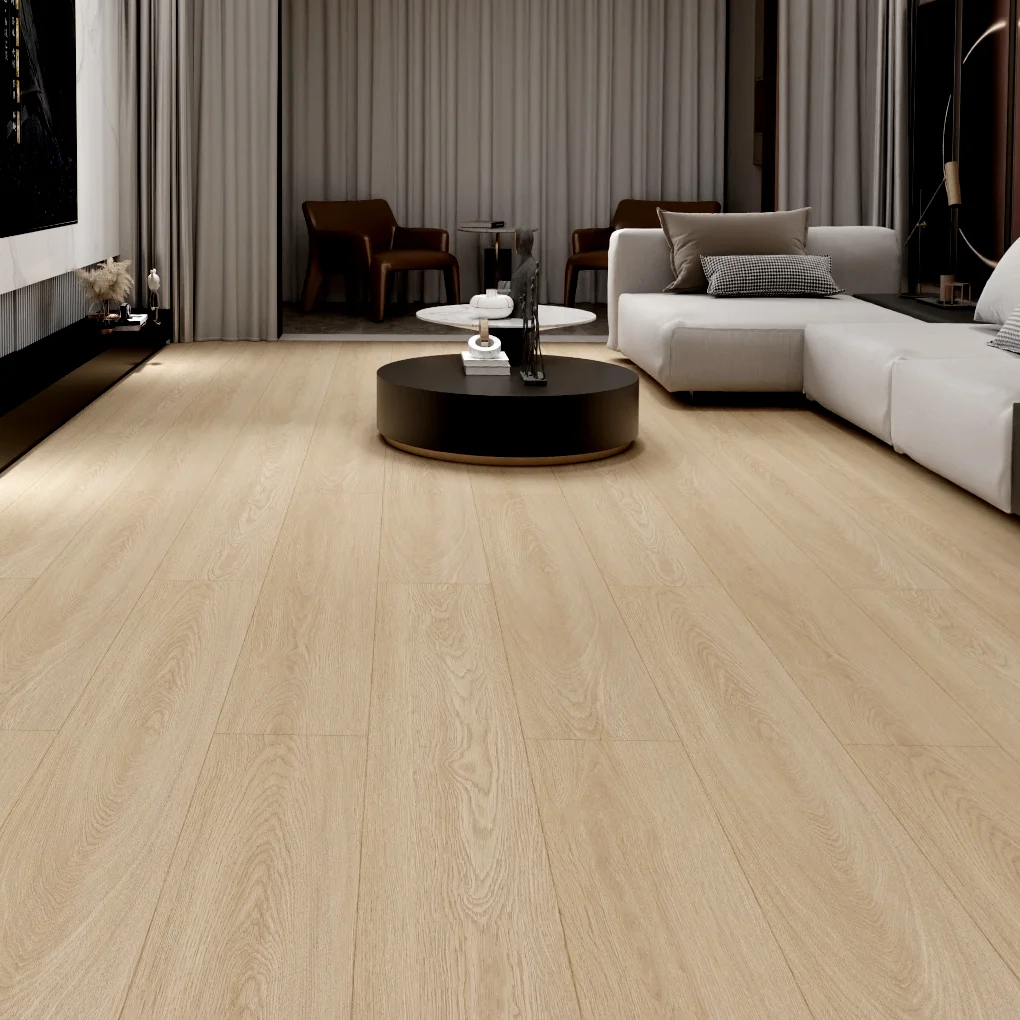
The decision-making process for choosing glue-free flooring involves evaluating substrate compatibility, traffic expectations, environmental conditions, and budget constraints while understanding how different locking mechanisms and material compositions affect both installation efficiency and operational longevity. This comprehensive selection approach ensures that the chosen flooring system delivers optimal performance characteristics while meeting the accelerated timeline demands typical of quick renovation scenarios.
Understanding Glue-Free Flooring Technology and Installation Requirements
Mechanical Locking Systems and Their Performance Characteristics
Modern glue-free flooring utilizes sophisticated mechanical locking systems that create secure connections between planks without requiring adhesive bonding, enabling rapid installation while maintaining structural integrity under various load conditions. These systems typically employ angle-tap mechanisms, drop-lock designs, or fold-down connections that engage through precise manufacturing tolerances and engineered profiles.
The most common locking mechanisms include 5G systems that allow planks to be connected horizontally and vertically simultaneously, significantly reducing installation time compared to traditional methods. Advanced glue-free flooring designs incorporate aluminum locking strips or reinforced polymer connections that provide superior holding strength and dimensional stability over extended service periods.
Installation efficiency depends heavily on the precision of these locking mechanisms, with high-quality systems enabling experienced installers to complete 500-800 square feet per day while maintaining proper alignment and joint integrity. Understanding these technical aspects helps renovation managers select flooring systems that match their project timeline requirements and skill level expectations.
Substrate Preparation and Compatibility Assessment
Successful glue-free flooring installation requires thorough substrate evaluation to identify moisture levels, flatness tolerances, and structural stability factors that could affect long-term performance. Concrete substrates must demonstrate moisture vapor emission rates below 3 pounds per 1000 square feet per 24 hours, while wooden subfloors need verification of structural integrity and proper ventilation.
Flatness requirements for glue-free flooring typically demand deviations no greater than 3/16 inch over 10 feet, with high-traffic applications requiring even tighter tolerances to prevent premature wear patterns and joint separation. Professional assessment tools including moisture meters, laser levels, and straightedges provide accurate measurements that guide necessary substrate remediation efforts.
The absence of adhesive bonding in glue-free flooring systems makes proper substrate preparation even more critical, as mechanical connections rely entirely on dimensional stability and structural support from the underlying surface. This characteristic influences material selection toward products with enhanced rigidity and improved dimensional stability ratings.
Material Selection Criteria for Rapid Installation Success
Core Construction and Dimensional Stability Factors
The core material composition significantly influences both installation speed and long-term stability of glue-free flooring systems, with high-density fiberboard (HDF) and wood plastic composite (WPC) cores offering different advantages for quick renovation applications. HDF cores provide excellent dimensional stability and precise machining capabilities that ensure consistent locking mechanism performance across temperature and humidity variations.
WPC cores incorporate limestone powder and polymer binders that create enhanced moisture resistance and impact durability, making them suitable for high-traffic commercial applications where glue-free flooring must withstand intensive use immediately after installation. These materials demonstrate superior recovery characteristics after temporary compression, maintaining joint integrity even under heavy point loads.
Core thickness selection affects both installation ease and acoustic performance, with 8-12mm thickness ranges providing optimal balance between structural stability and handling convenience during rapid installation sequences. Thicker cores offer improved sound dampening but may require additional clearance considerations around door jambs and transitions.
Surface Layer Durability and Maintenance Characteristics
Surface layer selection directly impacts the immediate usability of glue-free flooring installations, with advanced wear layer technologies enabling full traffic loading within hours of completion rather than days required for adhesive-based systems. Commercial-grade wear layers featuring aluminum oxide particles provide AC4 or AC5 ratings suitable for heavy commercial use in renovation scenarios.
Textured surface treatments enhance slip resistance and hide minor imperfections that might occur during accelerated installation processes, while also providing visual depth that masks the uniform appearance sometimes associated with engineered flooring products. These surface characteristics become particularly important in glue-free flooring applications where immediate occupancy is required.
Maintenance requirements influence long-term cost considerations, with premium glue-free flooring surfaces requiring only routine sweeping and occasional damp mopping to maintain appearance standards. Low-maintenance characteristics prove especially valuable in commercial renovations where cleaning protocols must accommodate continuous operations.
Environmental Performance and Indoor Air Quality Considerations
Emission Standards and Certification Requirements
Glue-free flooring systems eliminate adhesive-related volatile organic compound (VOC) emissions, contributing to faster occupancy timelines and improved indoor air quality compared to traditional installation methods. This characteristic makes them particularly suitable for occupied building renovations where air quality concerns limit the use of solvent-based adhesives.
GREENGUARD Gold certification and FloorScore compliance provide third-party verification of low emission characteristics, ensuring that glue-free flooring products meet strict indoor air quality standards required for schools, healthcare facilities, and other sensitive environments. These certifications often expedite permitting processes and support LEED credit requirements.
Formaldehyde emission levels in quality glue-free flooring products typically fall well below CARB Phase 2 limits, with many manufacturers achieving emissions comparable to solid wood products. This performance characteristic eliminates the traditional acclimation period required for adhesive curing, enabling immediate full use of renovated spaces.
Moisture Management and Climate Adaptability
The floating installation method inherent to glue-free flooring systems provides superior moisture management capabilities through integrated expansion gaps and vapor barrier compatibility, reducing the risk of moisture-related failures in challenging environmental conditions. This flexibility proves particularly valuable in renovation projects where existing moisture mitigation systems may be inadequate.
Climate adaptability becomes crucial in glue-free flooring selection for spaces with varying temperature and humidity conditions, requiring materials with low expansion coefficients and stable dimensional characteristics across seasonal changes. Advanced core technologies incorporate moisture-resistant resins that maintain locking mechanism integrity even under extreme conditions.
Proper vapor barrier selection and installation techniques complement the moisture management capabilities of glue-free flooring systems, creating integrated solutions that protect both the flooring material and the underlying substrate from moisture-related damage over extended service periods.
Cost-Benefit Analysis and Project Timeline Optimization
Labor Cost Reduction and Installation Efficiency Factors
Glue-free flooring installation typically reduces labor costs by 30-50% compared to adhesive-based systems through elimination of adhesive spreading, curing time requirements, and specialized surface preparation needs. This cost advantage becomes particularly significant in commercial renovation projects where labor rates and schedule compression create substantial budget pressures.
Installation crew productivity increases substantially with experienced teams achieving completion rates of 1000+ square feet per day on large open areas, while maintaining quality standards that meet commercial flooring specifications. The learning curve for glue-free flooring installation is considerably shorter than traditional methods, enabling effective use of less specialized labor.
Equipment requirements are minimal compared to adhesive installations, eliminating the need for trowels, mixing equipment, and ventilation systems while reducing material waste associated with adhesive application errors. These factors contribute to more predictable project costs and simplified logistical planning.
Long-Term Value and Replacement Considerations
The reversible nature of glue-free flooring installations provides significant long-term value advantages, enabling selective replacement of damaged areas without affecting surrounding materials or requiring complete system removal. This characteristic proves particularly valuable in commercial settings where partial replacements can address high-wear zones without disrupting entire spaces.
Lifecycle cost analysis should consider the improved replacement flexibility offered by glue-free flooring systems, which can significantly reduce future renovation costs and minimize operational disruptions. Quality systems maintain their removability characteristics throughout their service life, preserving future renovation options.
Warranty coverage for glue-free flooring products often includes both material and installation components, providing comprehensive protection that reduces long-term ownership risks. Premium manufacturers offer commercial warranties extending 15-25 years, supporting the total cost of ownership calculations for major renovation investments.
FAQ
What are the main advantages of choosing glue-free flooring for quick renovation projects?
Glue-free flooring offers immediate walkability after installation, eliminates adhesive curing times, reduces VOC emissions for better indoor air quality, and significantly decreases labor costs and installation time. These systems also allow for easier future modifications and repairs while providing comparable durability to traditional flooring methods.
How do I determine if my existing subfloor is suitable for glue-free flooring installation?
Evaluate subfloor flatness within 3/16 inch over 10 feet, ensure moisture levels below 12% for wood or 3 pounds per 1000 square feet per 24 hours for concrete, verify structural integrity, and confirm adequate ventilation. Professional moisture testing and level assessment are recommended for critical applications or warranty compliance.
Can glue-free flooring be installed in high-moisture areas like bathrooms or basements?
Quality glue-free flooring with waterproof cores and proper vapor barrier installation can perform well in moisture-prone areas, but specific product selection and installation techniques are crucial. Look for products with sealed locking mechanisms and 100% waterproof core construction, and ensure proper expansion gaps and transition treatments at wet area boundaries.
What is the typical lifespan of glue-free flooring in commercial applications?
Commercial-grade glue-free flooring systems typically provide 15-25 years of service life in normal traffic conditions, with heavy-duty products offering comparable longevity to traditional commercial flooring. Actual lifespan depends on traffic levels, maintenance practices, environmental conditions, and the specific wear layer rating of the selected product.
Table of Contents
- Understanding Glue-Free Flooring Technology and Installation Requirements
- Material Selection Criteria for Rapid Installation Success
- Environmental Performance and Indoor Air Quality Considerations
- Cost-Benefit Analysis and Project Timeline Optimization
-
FAQ
- What are the main advantages of choosing glue-free flooring for quick renovation projects?
- How do I determine if my existing subfloor is suitable for glue-free flooring installation?
- Can glue-free flooring be installed in high-moisture areas like bathrooms or basements?
- What is the typical lifespan of glue-free flooring in commercial applications?