 EN
EN


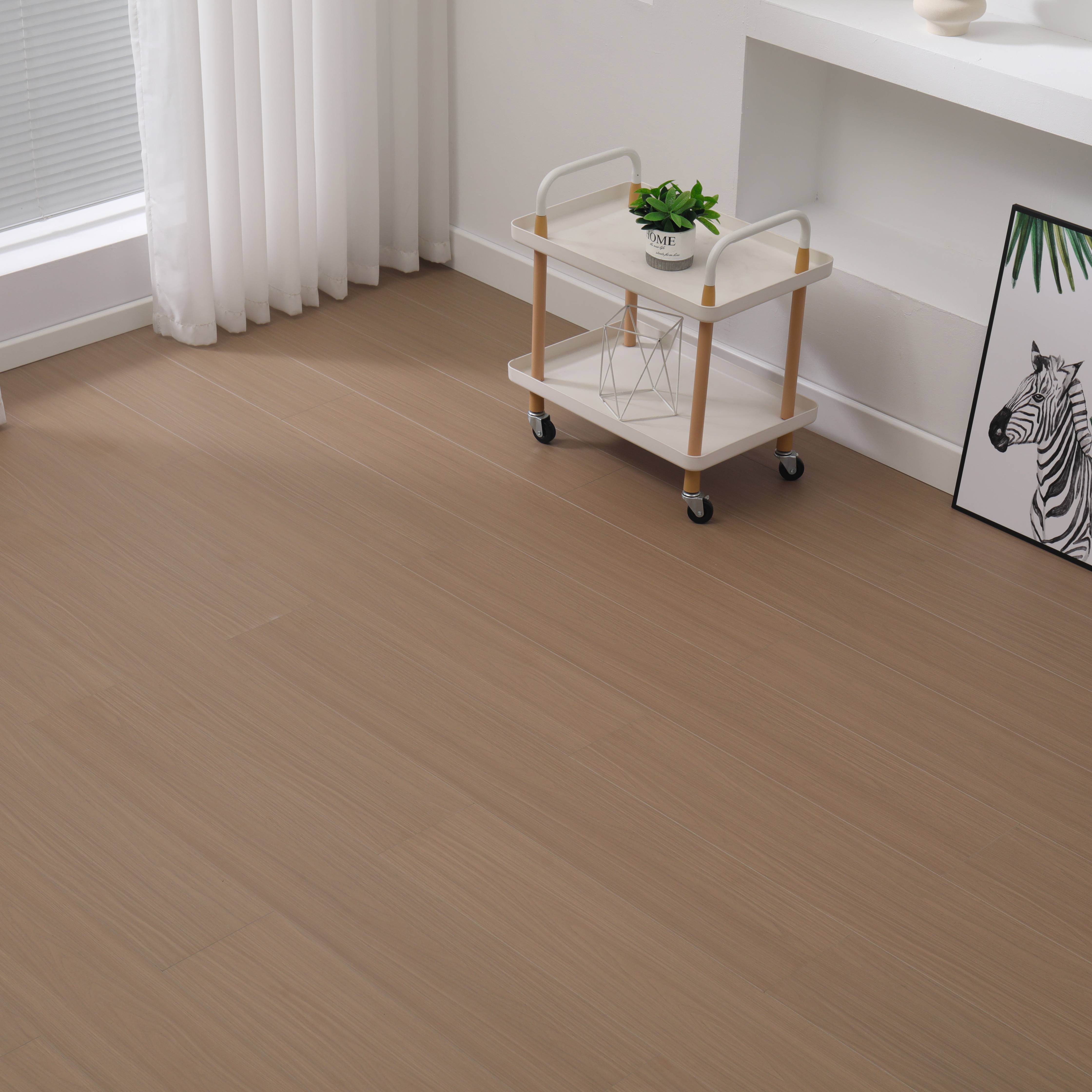
Anti-fouling floors represent a significant investment in commercial and residential spaces, offering superior protection against stains, dirt accumulation, and bacterial growth. These specialized flooring systems require targeted maintenance strategies to preserve their protective properties and extend their operational lifespan. Understanding the unique characteristics of anti-fouling surfaces enables property managers and homeowners to implement effective cleaning protocols that maintain both aesthetic appeal and functional performance over time.
Understanding Anti-Fouling Floor Technology
Surface Treatment Mechanisms
Modern anti-fouling floors utilize advanced surface treatments that create microscopic barriers against contaminant adhesion. These treatments typically involve specialized coatings or embedded compounds that reduce surface energy, making it difficult for organic and inorganic materials to bond with the flooring substrate. The technology works by creating a hydrophobic or oleophobic surface that repels water-based and oil-based substances respectively.
The effectiveness of these surface treatments depends on maintaining the integrity of the protective layer through appropriate cleaning methods. Harsh chemicals or abrasive cleaning tools can compromise the anti-fouling properties, reducing the floor's ability to resist staining and contamination. Understanding these mechanisms helps facility managers select appropriate maintenance products and techniques.
Material Composition Benefits
High-quality anti-fouling floors often incorporate multiple layers of protective materials, including wear-resistant topcoats and antimicrobial agents. These composite structures provide enhanced durability while maintaining the anti-fouling characteristics that make them suitable for high-traffic environments. The multilayer approach ensures that even if the surface experiences minor wear, underlying protective elements continue to provide resistance against fouling.
Premium anti-fouling floors feature engineered compositions that balance aesthetic appeal with functional performance. These materials resist common workplace contaminants including oils, acids, and biological materials while maintaining their appearance under normal use conditions. The key to preserving these benefits lies in implementing maintenance protocols that support rather than undermine the flooring's protective properties.
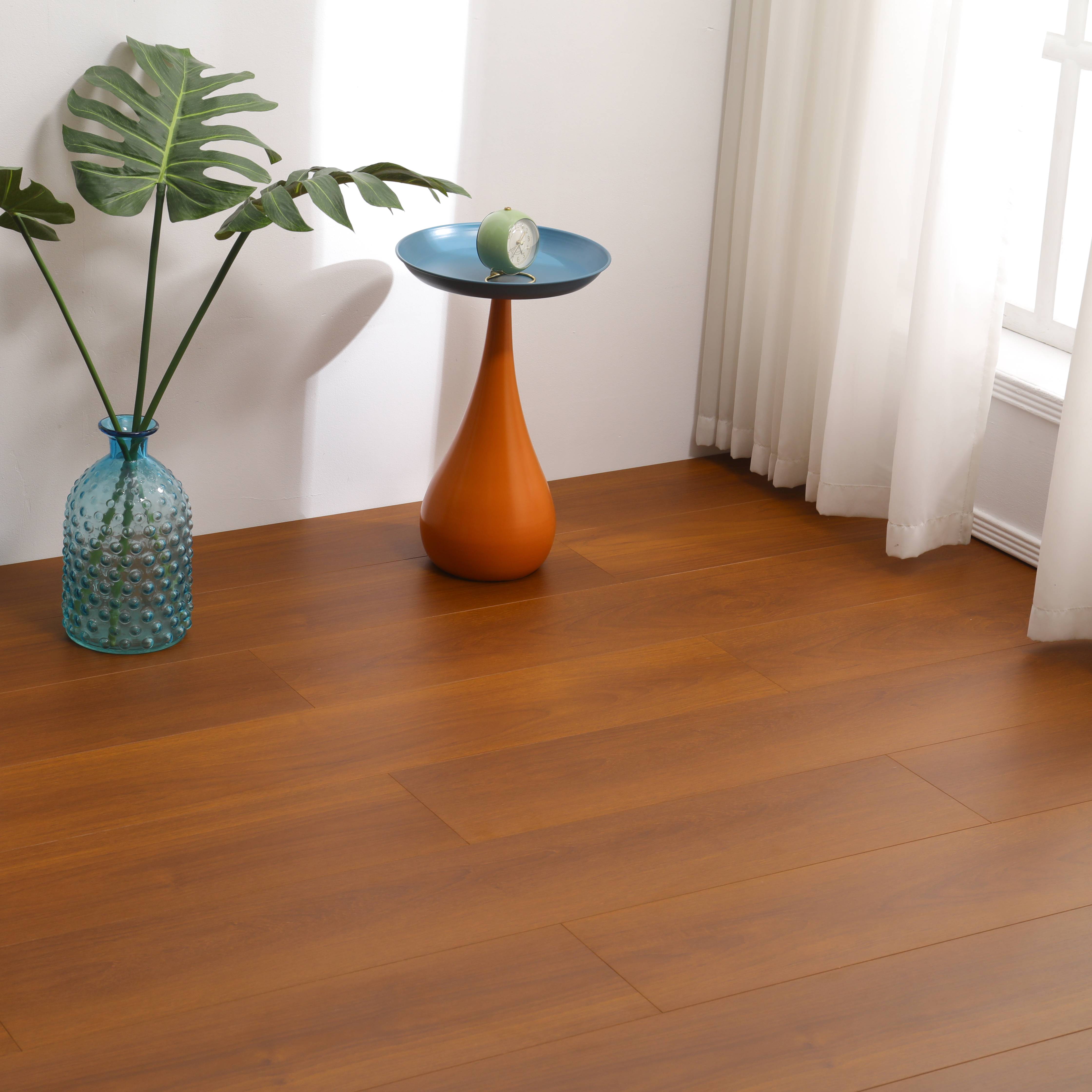
Daily Maintenance Protocols
Routine Cleaning Procedures
Establishing consistent daily cleaning routines forms the foundation of effective anti-fouling floors maintenance. Begin each cleaning cycle with dry removal of loose debris using microfiber dust mops or vacuum systems equipped with soft brush attachments. This preliminary step prevents scratching during subsequent wet cleaning phases while removing particles that could potentially embed in the flooring surface.
Follow dry cleaning with damp mopping using pH-neutral cleaning solutions specifically formulated for anti-fouling surfaces. Avoid alkaline or acidic cleaners that can degrade protective coatings over time. Use clean water for final rinsing to prevent residue buildup that could compromise the floor's anti-fouling properties. Ensure thorough drying to prevent water spots and maintain the surface's hydrophobic characteristics.
Spill Response Strategies
Immediate spill response significantly impacts the long-term performance of anti-fouling floors. Address liquid spills promptly by blotting rather than wiping to prevent spreading contamination across larger surface areas. Use absorbent materials that won't leave residue or lint on the protective surface coating.
For stubborn spills that resist initial cleaning efforts, apply specialized spot cleaners designed for anti-fouling surfaces. Allow the cleaning solution adequate contact time to break down contaminants before gentle agitation with non-abrasive tools. Rinse thoroughly with clean water and dry completely to restore the surface's protective properties. Document persistent staining issues to identify potential maintenance protocol adjustments.
Deep Cleaning Techniques
Periodic Intensive Cleaning
Schedule comprehensive deep cleaning sessions monthly or quarterly depending on traffic levels and contamination exposure. These intensive maintenance procedures involve systematic cleaning of the entire floor surface using specialized equipment and cleaning solutions designed to restore anti-fouling properties without damaging protective coatings.
Utilize low-speed rotary machines with soft pad attachments to gently agitate cleaning solutions across the floor surface. Avoid high-speed buffing or aggressive scrubbing that can wear down protective layers. Select cleaning compounds with surfactants that enhance the removal of embedded contaminants while preserving the anti-fouling characteristics of the flooring material.
Restoration Procedures
Professional restoration services may be necessary for anti-fouling floors experiencing reduced performance due to heavy use or inadequate maintenance. These procedures typically involve surface preparation, application of renewal coatings, and curing processes that restore the floor's original anti-fouling capabilities.
Restoration timing depends on visual inspection results and performance testing that measures the floor's ability to resist common contaminants. Early intervention through professional restoration prevents more extensive damage that could require complete floor replacement. Maintain detailed records of restoration activities to optimize future maintenance scheduling and budget planning.
Protective Measures and Prevention
Traffic Management
Implement traffic management strategies that minimize wear on anti-fouling floors while maintaining their protective properties. Install appropriate entrance matting systems that capture soil and moisture before it contacts the flooring surface. Use walk-off mats with sufficient length to allow for multiple footsteps, ensuring effective contaminant removal.
Consider temporary protective coverings during construction activities or heavy equipment movement that could damage the anti-fouling surface. These protective measures prevent mechanical damage while preserving the integrity of surface treatments that provide anti-fouling characteristics. Remove protective coverings promptly to prevent moisture accumulation that could affect adhesive bonds.
Environmental Controls
Maintain appropriate environmental conditions that support the performance of anti-fouling floors throughout their service life. Control humidity levels within manufacturer-recommended ranges to prevent moisture-related issues that could compromise protective coatings or substrate materials.
Monitor temperature fluctuations that could cause expansion and contraction stress in flooring materials. Extreme temperature variations can create gaps or surface irregularities that reduce the effectiveness of anti-fouling treatments. Implement climate control systems that maintain stable conditions conducive to optimal floor performance.
Troubleshooting Common Issues
Performance Degradation Indicators
Monitor anti-fouling floors for early warning signs of performance degradation that require maintenance intervention. Visual indicators include increased staining susceptibility, surface dulling, or the appearance of embedded contaminants that resist routine cleaning efforts. These symptoms suggest that protective coatings may be wearing thin or that cleaning protocols need adjustment.
Conduct regular performance testing by applying standard test substances to inconspicuous areas and observing adherence patterns. Increased contamination retention indicates declining anti-fouling effectiveness that requires immediate attention through enhanced cleaning or professional restoration services. Document performance changes to establish maintenance intervention triggers.
Repair and Replacement Decisions
Evaluate repair versus replacement options for anti-fouling floors showing significant performance degradation. Localized damage may respond to spot repairs using compatible materials and application techniques that restore anti-fouling properties in affected areas. Consider the age of the flooring system and overall condition when making repair decisions.
Replacement becomes necessary when anti-fouling floors no longer provide adequate protection despite proper maintenance efforts. Factor in lifecycle costs, including maintenance expenses and productivity impacts, when comparing repair and replacement alternatives. Consult with flooring professionals to ensure optimal decision-making based on specific application requirements.
FAQ
How often should anti-fouling floors receive professional deep cleaning
Professional deep cleaning frequency depends on traffic levels and contamination exposure, typically ranging from monthly for high-traffic commercial spaces to quarterly for moderate-use areas. Facilities with heavy contamination exposure may require more frequent professional intervention to maintain optimal anti-fouling performance and prevent permanent damage to protective coatings.
Can regular household cleaners be used on anti-fouling floors
Regular household cleaners are generally not recommended for anti-fouling floors as they may contain harsh chemicals that can degrade protective coatings. Use only pH-neutral cleaning products specifically formulated for anti-fouling surfaces to preserve their protective properties and extend service life. Always test new cleaning products in inconspicuous areas before full application.
What are the signs that anti-fouling floor coatings need restoration
Key indicators include increased staining susceptibility, surface dulling, embedded contamination that resists cleaning, and visible wear patterns in high-traffic areas. Performance testing that shows reduced contamination resistance also signals the need for professional restoration services to renew protective coatings and restore anti-fouling capabilities.
How do environmental conditions affect anti-fouling floor maintenance requirements
Environmental factors such as humidity, temperature fluctuations, and chemical exposure significantly impact maintenance needs for anti-fouling floors. High humidity can affect coating adhesion, while extreme temperatures may cause substrate movement that stresses surface treatments. Adjust maintenance frequency and procedures based on specific environmental conditions to optimize floor performance and longevity.