 EN
EN


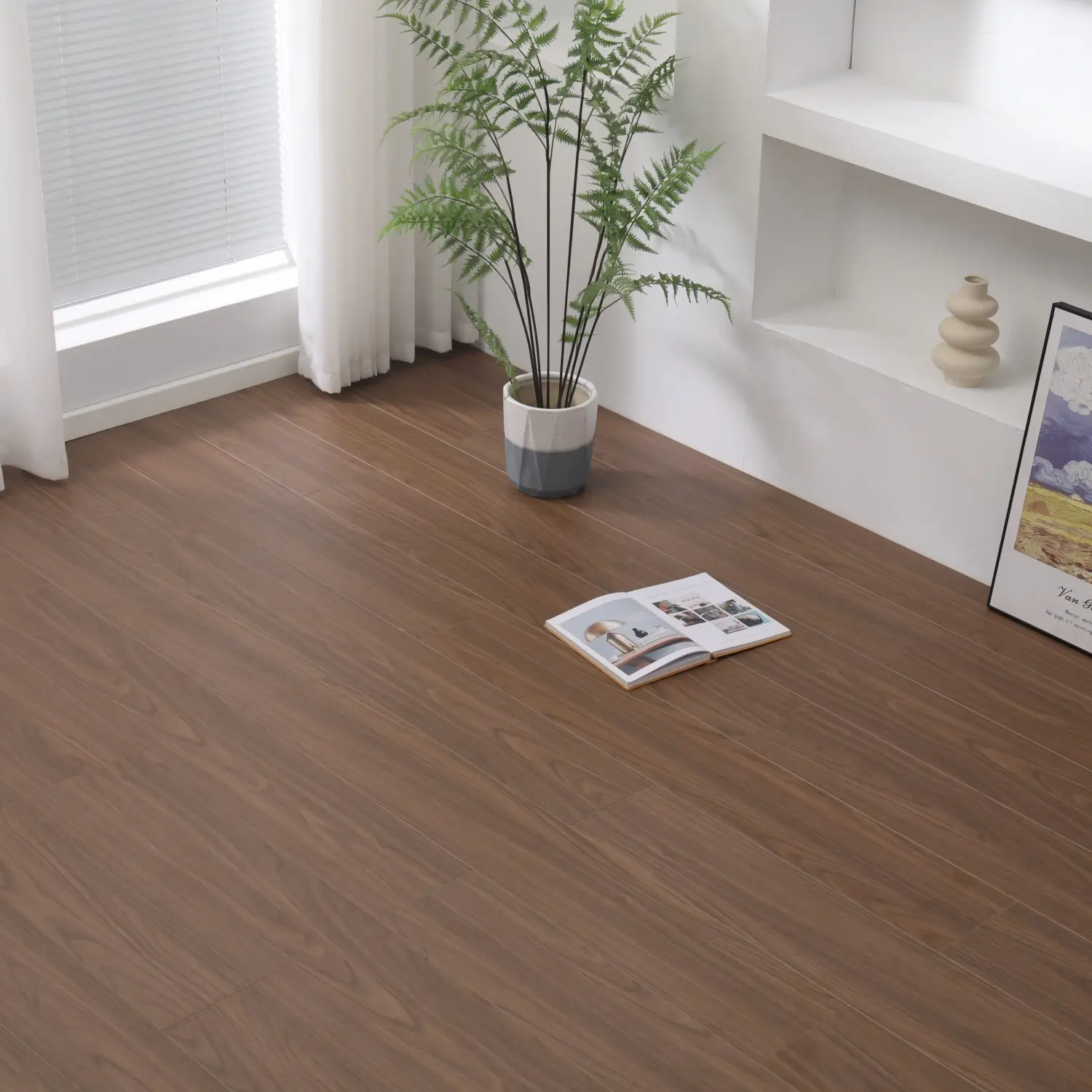
Maintaining lock the floor systems requires a comprehensive understanding of proper care techniques and preventive measures. These innovative flooring solutions have revolutionized modern installations by providing seamless connectivity between planks while ensuring exceptional durability. When properly maintained, lock the floor installations can last decades while retaining their original appearance and structural integrity. The key to successful maintenance lies in establishing routine care protocols and addressing potential issues before they become costly problems.
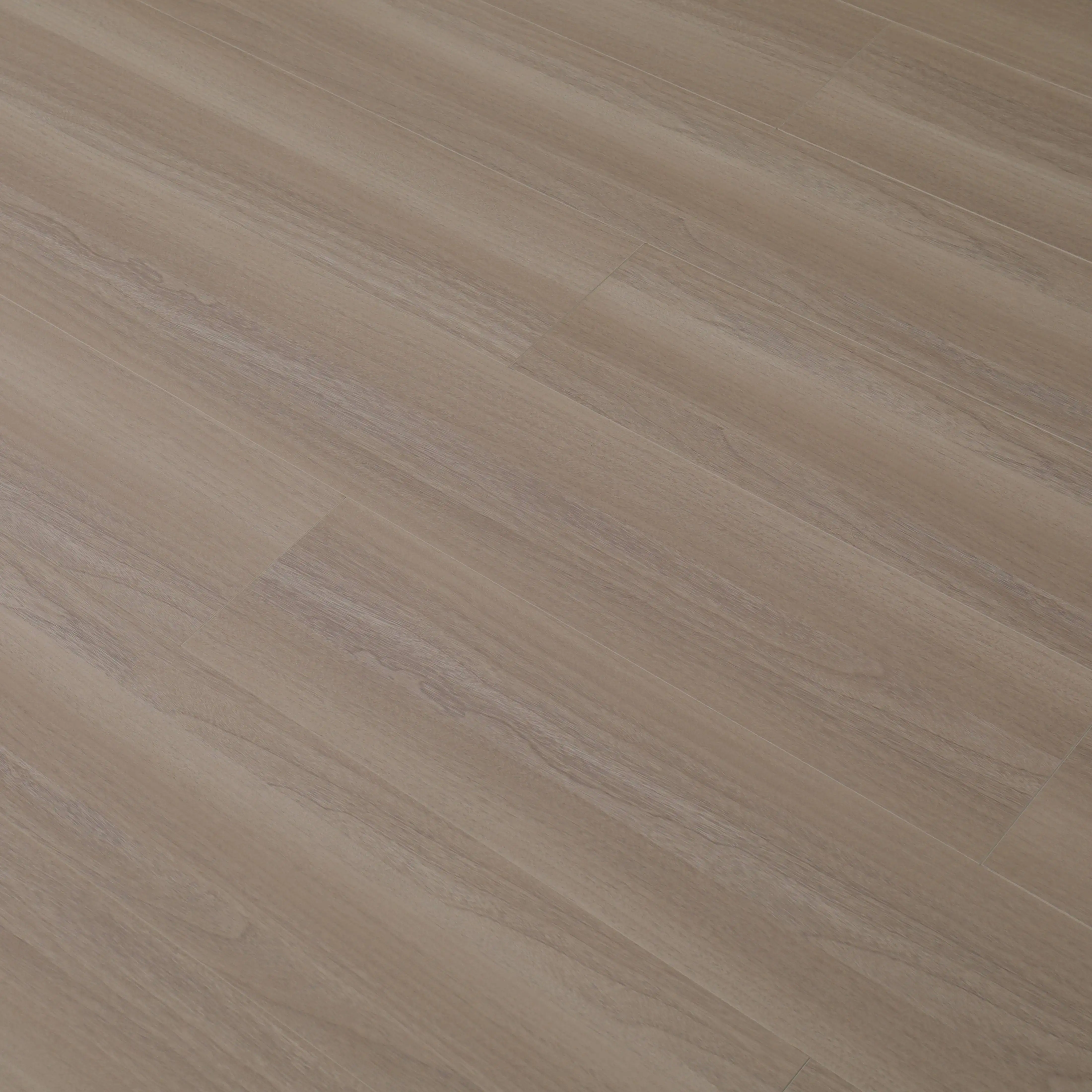
Understanding Lock Floor Systems and Their Maintenance Requirements
Components of Lock Floor Technology
Lock the floor systems utilize advanced interlocking mechanisms that create secure connections between individual planks without requiring traditional adhesives or nails. These sophisticated locking systems feature precision-engineered tongues and grooves that snap together, forming continuous surfaces with minimal gaps. Understanding how these components work together helps homeowners and contractors develop effective maintenance strategies that preserve the integrity of the entire installation.
The locking mechanism itself consists of several critical elements including the tongue profile, groove configuration, and the actual locking clips or tabs. Each component must remain properly aligned and undamaged for the lock the floor system to function optimally. Regular inspection of these elements allows for early detection of wear patterns or damage that could compromise the flooring's performance over time.
Environmental Factors Affecting Lock Floor Performance
Temperature fluctuations and humidity levels significantly impact lock the floor installations, causing natural expansion and contraction that can stress locking mechanisms. Maintaining consistent indoor climate conditions helps minimize these movements and reduces the likelihood of gaps forming between planks. Proper HVAC system operation and the use of humidifiers or dehumidifiers as needed create optimal environmental conditions for floor longevity.
Seasonal changes present particular challenges for lock the floor systems, especially in regions with extreme temperature variations. During winter months, heated indoor air can cause excessive drying, while summer humidity may lead to expansion issues. Monitoring and adjusting environmental conditions proactively prevents many common problems associated with lock floor installations.
Daily Care and Cleaning Protocols
Proper Cleaning Techniques for Lock Floors
Daily maintenance of lock the floor installations begins with appropriate cleaning methods that protect the surface finish while removing dirt and debris. Using microfiber mops and pH-neutral cleaning solutions prevents damage to protective coatings while effectively removing common household contaminants. Avoiding harsh chemicals, abrasive cleaners, and excessive water prevents deterioration of both the flooring material and the locking mechanisms.
The cleaning process should follow a systematic approach starting with dry removal of loose debris using a soft-bristled broom or vacuum cleaner with appropriate floor attachments. Following this initial step, damp mopping with properly diluted cleaning solutions removes remaining residues without saturating the lock the floor surface or seeping into joint areas where it could damage locking components.
Managing Spills and Stains
Immediate attention to spills prevents permanent staining and moisture damage that could affect lock the floor systems. Blotting rather than wiping helps contain spills without spreading them across larger areas or forcing liquids into gaps between planks. Using absorbent materials and appropriate cleaning solutions based on the type of spill ensures effective cleanup without damaging floor surfaces.
Different types of stains require specific treatment approaches to avoid damaging the floor finish or compromising the structural integrity of lock the floor installations. Water-based stains typically respond well to mild soap solutions, while oil-based stains may require specialized degreasers designed for use on flooring materials. Always test cleaning products in inconspicuous areas before applying them to visible floor surfaces.
Preventive Maintenance Strategies
Traffic Pattern Management
Identifying and managing high-traffic areas helps extend the life of lock the floor installations by distributing wear more evenly across the entire surface. Strategic placement of area rugs and runners in frequently used pathways reduces direct contact between foot traffic and flooring materials. Regularly rotating these protective coverings prevents uneven wear patterns while maintaining the floor's overall appearance.
Furniture placement also plays a crucial role in preventing concentrated stress on specific areas of lock the floor systems. Using furniture pads and periodic rearrangement of heavy items prevents permanent indentations and reduces wear on locking mechanisms beneath stationary objects. This proactive approach significantly extends the operational life of the flooring installation.
Humidity Control and Climate Management
Maintaining optimal humidity levels between 30-50% helps preserve the dimensional stability of lock the floor materials while preventing excessive expansion or contraction. Installing and properly maintaining whole-house humidification systems provides consistent moisture levels throughout the year. During heating seasons, adding moisture to indoor air prevents excessive drying that can cause gaps to form between planks.
Monitoring humidity levels using digital hygrometers helps identify when environmental conditions fall outside optimal ranges for lock the floor performance. Prompt corrective action prevents many common problems including cupping, crowning, and separation of locking joints. This monitoring approach proves particularly valuable in basements and other areas prone to moisture fluctuations.
Repair and Replacement Procedures
Identifying Damage Indicators
Early detection of problems with lock the floor systems allows for timely repairs that prevent minor issues from developing into major replacements. Visual inspection should focus on signs of wear at locking joints, surface scratches, and any planks that appear to be lifting or separating from adjacent pieces. Changes in floor height or noticeable gaps between planks indicate potential problems requiring immediate attention.
Sound changes when walking across lock the floor installations often signal developing problems before they become visually apparent. Creaking, squeaking, or hollow sounds may indicate loose connections or damaged locking mechanisms. Regular assessment of both visual and auditory cues helps maintain the integrity of the entire flooring system.
Professional vs DIY Repair Approaches
Minor maintenance tasks such as cleaning and basic troubleshooting can typically be handled by property owners, while more complex repairs involving lock the floor mechanisms may require professional expertise. Attempting repairs beyond one's skill level can result in additional damage and higher overall costs. Understanding when to seek professional assistance helps preserve warranty coverage and ensures proper repair techniques.
Professional flooring contractors possess specialized tools and experience necessary for complex lock the floor repairs including plank replacement and locking mechanism adjustments. Their expertise proves particularly valuable when dealing with warranty issues or when repairs must integrate seamlessly with existing installations. Investing in professional services for major repairs often proves more cost-effective than attempting DIY solutions that may not address underlying problems.
Long-term Preservation Techniques
Protective Coating Applications
Periodic application of appropriate protective coatings helps maintain the appearance and durability of lock the floor surfaces while providing additional resistance to wear and moisture. These protective treatments should be compatible with the specific flooring material and existing finish to avoid adverse reactions or appearance changes. Following manufacturer recommendations for coating types and application intervals ensures optimal results.
The application process requires proper surface preparation including thorough cleaning and light abrasion when necessary to ensure adequate coating adhesion. Environmental conditions during application significantly impact coating performance, requiring attention to temperature, humidity, and ventilation requirements. Proper application techniques result in even coverage that enhances both protection and appearance of lock the floor installations.
Scheduled Maintenance Programs
Establishing regular maintenance schedules helps ensure consistent care of lock the floor systems while identifying potential problems before they require expensive repairs. These programs should include daily cleaning routines, weekly deep cleaning, monthly inspections, and annual professional assessments. Documentation of maintenance activities helps track floor condition over time and supports warranty claims when necessary.
Seasonal maintenance tasks address specific challenges associated with changing environmental conditions throughout the year. Spring and fall inspections focus on identifying damage from winter heating or summer humidity, while adjusting care routines based on seasonal usage patterns. This systematic approach maximizes the return on flooring investment while maintaining optimal appearance and performance of lock the floor installations.
FAQ
How often should lock the floor installations be professionally inspected
Professional inspection of lock the floor systems should occur annually for residential installations and more frequently for commercial applications with heavy traffic. These inspections identify wear patterns, locking mechanism problems, and environmental issues that may not be apparent during routine cleaning and maintenance. Regular professional assessment helps prevent minor problems from developing into costly repairs while maintaining warranty coverage for the flooring installation.
What cleaning products should be avoided when maintaining lock floors
Avoid using harsh chemicals including bleach, ammonia-based cleaners, abrasive scrubbers, and excessive amounts of water when cleaning lock the floor installations. These substances can damage protective finishes, compromise locking mechanisms, and cause permanent discoloration or warping. Always use pH-neutral cleaning products specifically designed for your type of flooring material, and test any new products in inconspicuous areas before general use.
Can individual planks be replaced in lock floor systems without affecting surrounding areas
Individual plank replacement in lock the floor systems is possible but requires careful consideration of the installation pattern and accessibility. End planks and those near walls are typically easier to replace than planks in the middle of the installation. Professional contractors can often replace damaged planks while minimizing disruption to surrounding areas, though the process may require temporary removal of adjacent planks to access locking mechanisms properly.
What environmental conditions provide optimal performance for lock floor systems
Optimal environmental conditions for lock the floor performance include maintaining indoor temperatures between 65-75°F and relative humidity levels between 30-50%. Consistent conditions prevent excessive expansion and contraction that can stress locking mechanisms and create gaps between planks. Using appropriate HVAC systems, humidifiers, and dehumidifiers as needed helps maintain these ideal conditions throughout seasonal changes while protecting the flooring investment long-term.
Table of Contents
- Understanding Lock Floor Systems and Their Maintenance Requirements
- Daily Care and Cleaning Protocols
- Preventive Maintenance Strategies
- Repair and Replacement Procedures
- Long-term Preservation Techniques
-
FAQ
- How often should lock the floor installations be professionally inspected
- What cleaning products should be avoided when maintaining lock floors
- Can individual planks be replaced in lock floor systems without affecting surrounding areas
- What environmental conditions provide optimal performance for lock floor systems