 EN
EN


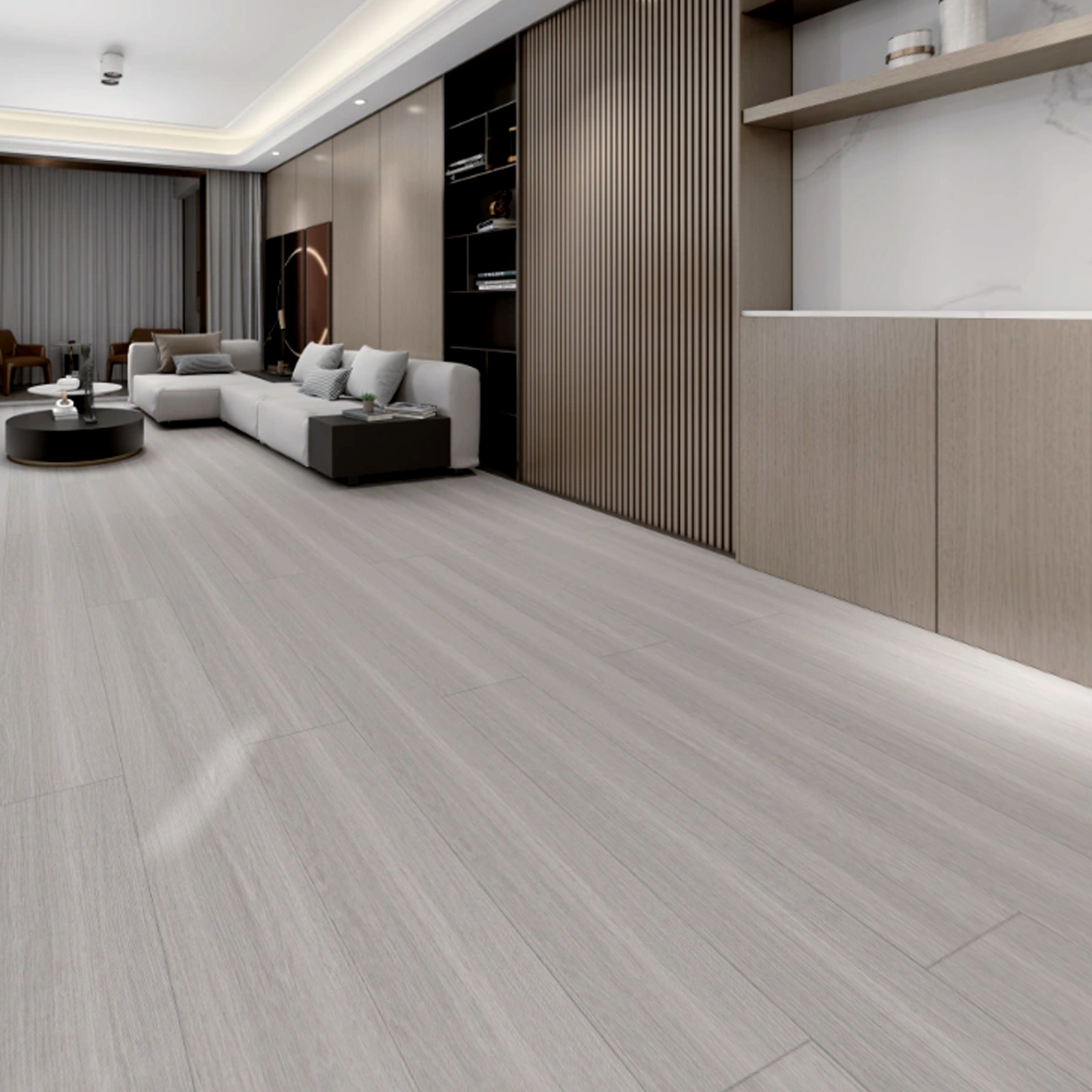
In the demanding world of commercial and industrial environments, selecting the right flooring solution requires careful consideration of durability, performance, and long-term value. A multi-layer floor represents the pinnacle of engineered flooring technology, offering exceptional strength and versatility that makes it perfectly suited for heavy-duty applications. This advanced flooring solution combines multiple layers of carefully selected materials to create a product that can withstand intense foot traffic, heavy equipment, and challenging environmental conditions while maintaining its aesthetic appeal and structural integrity.
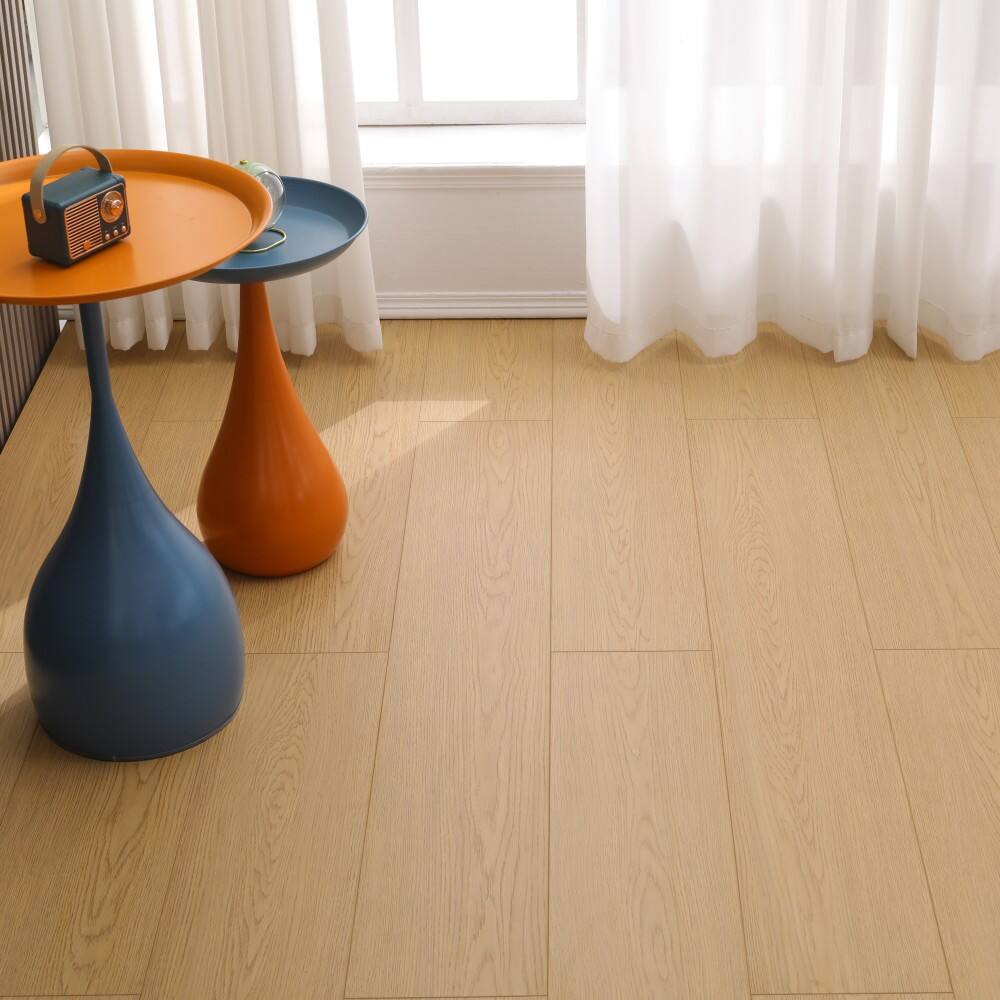
The construction industry has witnessed remarkable innovations in flooring materials over the past decade, with multi-layer floor technology leading the charge in revolutionizing how we approach commercial and industrial flooring needs. Unlike traditional single-layer materials that often fail under extreme conditions, this sophisticated approach to flooring design incorporates multiple specialized layers, each contributing unique properties to the overall performance of the system. Manufacturing facilities, warehouses, retail spaces, and high-traffic commercial buildings increasingly rely on multi-layer floor solutions to meet their operational demands while minimizing maintenance costs and downtime.
Understanding the science behind multi-layer construction reveals why this approach has become the gold standard for heavy-duty applications. Each layer serves a specific purpose, from providing structural stability and moisture resistance to ensuring surface durability and aesthetic longevity. The synergy between these layers creates a flooring solution that exceeds the sum of its individual components, delivering performance characteristics that would be impossible to achieve with conventional single-layer materials.
Engineering Excellence in Multi-Layer Construction
Core Stability Layer Design
The foundation of any exceptional multi-layer floor begins with its core stability layer, which serves as the structural backbone of the entire system. This critical component typically consists of high-density fiberboard or plywood that has been engineered to resist deformation under heavy loads while maintaining dimensional stability across varying environmental conditions. The core layer undergoes rigorous testing to ensure it can withstand the constant stress and strain associated with heavy machinery, frequent foot traffic, and the dynamic loads common in industrial settings.
Advanced manufacturing techniques allow for precise control over the core layer's density and composition, ensuring optimal performance characteristics tailored to specific applications. The moisture content is carefully controlled during production to prevent future expansion and contraction that could compromise the integrity of the multi-layer floor system. This attention to detail in the core layer construction directly translates to superior long-term performance and reduced maintenance requirements in demanding environments.
Quality control measures during core layer production include stress testing, moisture analysis, and dimensional stability assessments that guarantee each multi-layer floor meets or exceeds industry standards. The selection of raw materials for the core layer prioritizes sustainability without compromising performance, utilizing responsibly sourced wood fibers and low-emission adhesives that contribute to healthier indoor air quality in commercial and industrial spaces.
Advanced Wear Layer Technology
The wear layer represents the visible surface of a multi-layer floor and bears the brunt of daily abuse in heavy-duty applications. This top layer incorporates cutting-edge materials such as aluminum oxide crystals, ceramic particles, or advanced polymer compounds that create an extremely durable surface capable of resisting scratches, scuffs, and chemical damage. The thickness and composition of the wear layer directly correlate to the flooring's ability to maintain its appearance and functionality over extended periods of intensive use.
Modern wear layer technology extends beyond simple durability to include advanced features such as antimicrobial properties, slip resistance, and stain resistance. These enhancements make multi-layer floor solutions particularly valuable in healthcare facilities, food processing plants, and other environments where hygiene and safety are paramount concerns. The wear layer's surface texture can be customized to provide optimal traction while remaining easy to clean and maintain.
Ongoing research and development in wear layer technology continues to push the boundaries of what's possible in terms of durability and functionality. Recent innovations include self-healing polymers that can repair minor scratches automatically and photocatalytic coatings that break down organic contaminants when exposed to light, further extending the service life and reducing maintenance requirements of multi-layer floor systems.
Performance Characteristics for Industrial Applications
Load-Bearing Capacity and Structural Integrity
The exceptional load-bearing capacity of multi-layer floor systems makes them ideal for environments where heavy equipment, machinery, and intense foot traffic are the norm. The engineered construction distributes weight evenly across the surface, preventing localized stress concentrations that could lead to premature failure in traditional flooring materials. This distributed load characteristic allows multi-layer floor installations to support everything from forklifts and pallet jacks to heavy manufacturing equipment without showing signs of wear or deformation.
Structural integrity testing reveals that well-designed multi-layer floor systems can withstand point loads that would cause significant damage to alternative flooring materials. The multi-layer construction creates a composite effect where the combined strength of all layers exceeds what any individual component could provide independently. This engineering principle ensures that even if one layer experiences minor damage, the overall system continues to function effectively without compromising safety or performance.
Long-term performance studies in industrial environments demonstrate that multi-layer floor systems maintain their structural integrity even after years of heavy use. The careful selection and optimization of each layer's properties contribute to this exceptional longevity, making these flooring solutions a cost-effective investment for businesses that require reliable, durable flooring capable of supporting their operational needs without frequent replacement or extensive maintenance.
Moisture and Chemical Resistance Properties
Industrial and commercial environments often expose flooring to various moisture sources and chemical substances that can quickly degrade inferior materials. Multi-layer floor systems address these challenges through strategic layer design that includes moisture barriers, chemical-resistant coatings, and sealed edge construction that prevents infiltration of harmful substances. The waterproof characteristics of advanced multi-layer floor products make them suitable for use in areas where spills, cleaning solutions, and high humidity are common concerns.
The chemical resistance of multi-layer floor systems extends to a wide range of industrial solvents, oils, acids, and alkaline substances commonly encountered in manufacturing and processing facilities. This resistance is achieved through careful selection of surface materials and the incorporation of barrier layers that prevent chemical penetration into the core structure. Regular exposure to these substances would quickly destroy conventional flooring materials, but properly engineered multi-layer floor systems continue to perform reliably even in challenging chemical environments.
Environmental testing protocols evaluate multi-layer floor performance under accelerated aging conditions that simulate years of exposure to moisture and chemicals in compressed timeframes. These tests confirm that the multi-layer approach provides superior protection compared to single-layer alternatives, with minimal degradation in appearance or structural properties even after extended exposure to harsh conditions typical of heavy-duty applications.
Installation and Maintenance Advantages
Simplified Installation Processes
The installation of multi-layer floor systems has been streamlined through innovative connection systems and manufacturing precision that allows for efficient, professional installation even in large commercial and industrial spaces. Click-lock mechanisms, adhesive-free installation options, and dimensional consistency reduce installation time and labor costs while ensuring proper alignment and secure connections between planks or tiles. This efficiency translates to reduced downtime for businesses that need to minimize operational disruptions during flooring projects.
Professional installers appreciate the forgiving nature of multi-layer floor systems, which accommodate minor subfloor imperfections without compromising the final result. The engineered construction provides inherent stability that reduces the need for extensive subfloor preparation, further streamlining the installation process. Quality multi-layer floor products include comprehensive installation guidelines and support materials that ensure proper installation techniques are followed for optimal long-term performance.
Modular installation capabilities allow for staged implementation in large facilities, enabling businesses to upgrade their flooring in sections without disrupting entire operations. This flexibility makes multi-layer floor solutions particularly attractive for facilities that must maintain continuous operations while improving their infrastructure. The ability to replace individual planks or sections if damage occurs also provides long-term maintenance advantages that reduce total ownership costs.
Long-Term Maintenance Requirements
Maintenance requirements for multi-layer floor systems are significantly reduced compared to traditional flooring materials, thanks to the durable wear layer and moisture-resistant construction that prevents many common flooring problems. Daily maintenance typically involves simple cleaning procedures using standard commercial cleaning equipment and solutions, without the need for specialized treatments or frequent refinishing that other flooring types require. This maintenance efficiency translates to lower operational costs and reduced disruption to business activities.
The stain-resistant properties of quality multi-layer floor surfaces mean that spills and soiling can be addressed quickly and effectively without leaving permanent marks or requiring intensive cleaning procedures. This characteristic is particularly valuable in food service areas, healthcare facilities, and manufacturing environments where cleanliness standards are stringent and maintenance time is limited. Regular maintenance protocols can be easily integrated into existing facility management procedures without requiring specialized training or equipment.
Preventive maintenance strategies for multi-layer floor installations focus on protecting the surface from unnecessary wear rather than restoring damaged materials. Simple measures such as appropriate entrance matting, protective pads under heavy equipment, and regular cleaning schedules can extend the service life of multi-layer floor systems far beyond their warranty periods. This proactive approach to maintenance maximizes the return on investment while ensuring consistent appearance and performance throughout the flooring's service life.
Cost-Effectiveness and Return on Investment
Initial Investment Considerations
While the initial cost of multi-layer floor systems may exceed that of basic flooring alternatives, the total cost of ownership analysis reveals significant long-term savings that justify the investment. The durability and longevity of multi-layer floor products reduce the frequency of replacement cycles, spreading the initial investment over many years of reliable service. When calculated on a per-year basis, the cost advantage of multi-layer floor systems becomes apparent, particularly in high-traffic or harsh-environment applications.
The comprehensive performance characteristics of multi-layer floor systems often eliminate the need for additional protective measures or frequent repairs that would be necessary with inferior flooring materials. This reduction in ancillary costs, combined with decreased maintenance requirements, contributes to the overall economic advantage of choosing multi-layer floor solutions for demanding applications. Budget planning becomes more predictable when using durable multi-layer floor systems, as major flooring expenses can be deferred for extended periods.
Financing options and warranty programs available with quality multi-layer floor products further enhance their economic appeal by providing payment flexibility and risk protection for buyers. Extended warranty coverage demonstrates manufacturer confidence in product performance while providing buyers with assurance that their investment is protected against premature failure or defects that could compromise the expected return on investment.
Operational Efficiency Benefits
The impact of multi-layer floor systems on operational efficiency extends beyond simple durability to include improvements in workplace safety, acoustic performance, and environmental conditions that enhance productivity and reduce operational costs. The slip-resistant surfaces and consistent flatness of quality multi-layer floor installations reduce the risk of workplace accidents, potentially lowering insurance premiums and workers' compensation costs while improving employee confidence and morale.
Acoustic properties of multi-layer floor systems can significantly reduce noise transmission between floors or to adjacent areas, creating more comfortable working environments and potentially allowing for more efficient use of space. This noise reduction capability is particularly valuable in multi-story buildings, healthcare facilities, and educational institutions where acoustic comfort directly affects functionality and user satisfaction. The improved acoustic environment can enhance communication and concentration while reducing stress and fatigue among occupants.
Energy efficiency benefits may also result from the insulating properties of multi-layer floor systems, which can contribute to reduced heating and cooling costs in climate-controlled environments. The thermal mass and insulating characteristics help stabilize indoor temperatures, reducing the load on HVAC systems and contributing to overall energy savings. These operational efficiency improvements compound over time, adding to the overall value proposition of multi-layer floor investments.
Industry-Specific Applications and Benefits
Healthcare and Laboratory Environments
Healthcare facilities represent one of the most demanding applications for multi-layer floor systems, where hygiene, durability, and chemical resistance are critical requirements. The non-porous surfaces and antimicrobial treatments available in advanced multi-layer floor products help maintain sterile environments while withstanding the frequent cleaning and disinfection protocols required in medical settings. The seamless installation techniques minimize grout lines and crevices where bacteria and contaminants could accumulate, supporting infection control efforts.
Laboratory environments benefit from the chemical resistance and static control properties that can be incorporated into specialized multi-layer floor systems. The ability to withstand exposure to laboratory chemicals, cleaning solvents, and sterilization agents while maintaining electrical conductivity or static dissipation properties makes these flooring solutions ideal for research facilities, pharmaceutical manufacturing, and quality control laboratories where equipment sensitivity and safety are paramount concerns.
The comfort characteristics of multi-layer floor systems also contribute to reduced fatigue among healthcare workers who spend long hours on their feet. The slight cushioning effect and ergonomic support provided by quality multi-layer floor construction can improve workplace comfort without compromising the hygiene and durability requirements essential in healthcare environments. This combination of functional and comfort benefits makes multi-layer floor systems an excellent choice for hospitals, clinics, and medical research facilities.
Manufacturing and Warehouse Operations
Manufacturing facilities require flooring that can withstand the constant traffic of forklifts, pallet jacks, and heavy machinery while maintaining a safe, clean working environment. Multi-layer floor systems excel in these applications through their exceptional load-bearing capacity, impact resistance, and ability to maintain flatness even under heavy use. The chemical resistance properties protect against oil spills, coolants, and industrial cleaning solutions that are common in manufacturing environments.
Warehouse operations benefit from the durability and low maintenance requirements of multi-layer floor systems, which can handle the constant movement of goods, equipment, and personnel without showing significant wear or requiring frequent repairs. The ability to repair or replace individual sections without affecting the entire floor surface minimizes downtime and operational disruption when maintenance is required. This flexibility is particularly valuable in distribution centers and fulfillment facilities where continuous operation is essential for meeting customer demands.
The slip-resistant properties and consistent surface texture of multi-layer floor systems contribute to workplace safety in manufacturing and warehouse environments where spills and varying load conditions can create hazardous situations. The reliable traction provided by quality multi-layer floor surfaces helps prevent slips and falls while maintaining easy cleaning and maintenance procedures that support overall facility hygiene and safety standards.
FAQ
How long do multi-layer floor systems typically last in heavy-duty applications
Multi-layer floor systems in heavy-duty applications typically provide 15 to 25 years of reliable service, depending on the specific product quality, installation methods, and maintenance practices. The engineered construction and advanced wear layer technology allow these systems to maintain their appearance and functionality far longer than traditional flooring materials in demanding environments. Proper installation and regular maintenance can extend service life even further, with some premium multi-layer floor products performing well beyond their warranty periods.
What maintenance is required for multi-layer floor systems in industrial settings
Maintenance for multi-layer floor systems in industrial settings primarily involves regular cleaning with standard commercial equipment and approved cleaning solutions. Daily sweeping or dust mopping removes debris that could cause surface scratching, while periodic damp mopping with pH-neutral cleaners maintains appearance and hygiene. Protective measures such as entrance matting and equipment pads help minimize wear, while prompt cleanup of spills prevents staining or chemical damage to the surface.
Can multi-layer floor systems be installed over existing flooring
Many multi-layer floor systems can be installed over existing flooring if the substrate is structurally sound, level, and properly prepared. The existing floor must be thoroughly cleaned, and any loose or damaged areas must be repaired before installation. However, the specific requirements depend on the type of existing flooring and the multi-layer floor product being installed, so professional assessment is recommended to ensure proper preparation and optimal long-term performance of the new flooring system.
How do multi-layer floor systems compare to traditional materials in terms of environmental impact
Multi-layer floor systems often demonstrate superior environmental performance compared to traditional materials through their extended service life, reduced maintenance requirements, and use of sustainable materials in construction. Many products incorporate recycled content and low-emission adhesives while qualifying for green building credits. The longevity of multi-layer floor systems reduces the frequency of replacement, minimizing waste generation and resource consumption over the building's lifecycle while providing the durability and performance required for heavy-duty applications.
Table of Contents
- Engineering Excellence in Multi-Layer Construction
- Performance Characteristics for Industrial Applications
- Installation and Maintenance Advantages
- Cost-Effectiveness and Return on Investment
- Industry-Specific Applications and Benefits
-
FAQ
- How long do multi-layer floor systems typically last in heavy-duty applications
- What maintenance is required for multi-layer floor systems in industrial settings
- Can multi-layer floor systems be installed over existing flooring
- How do multi-layer floor systems compare to traditional materials in terms of environmental impact