 EN
EN


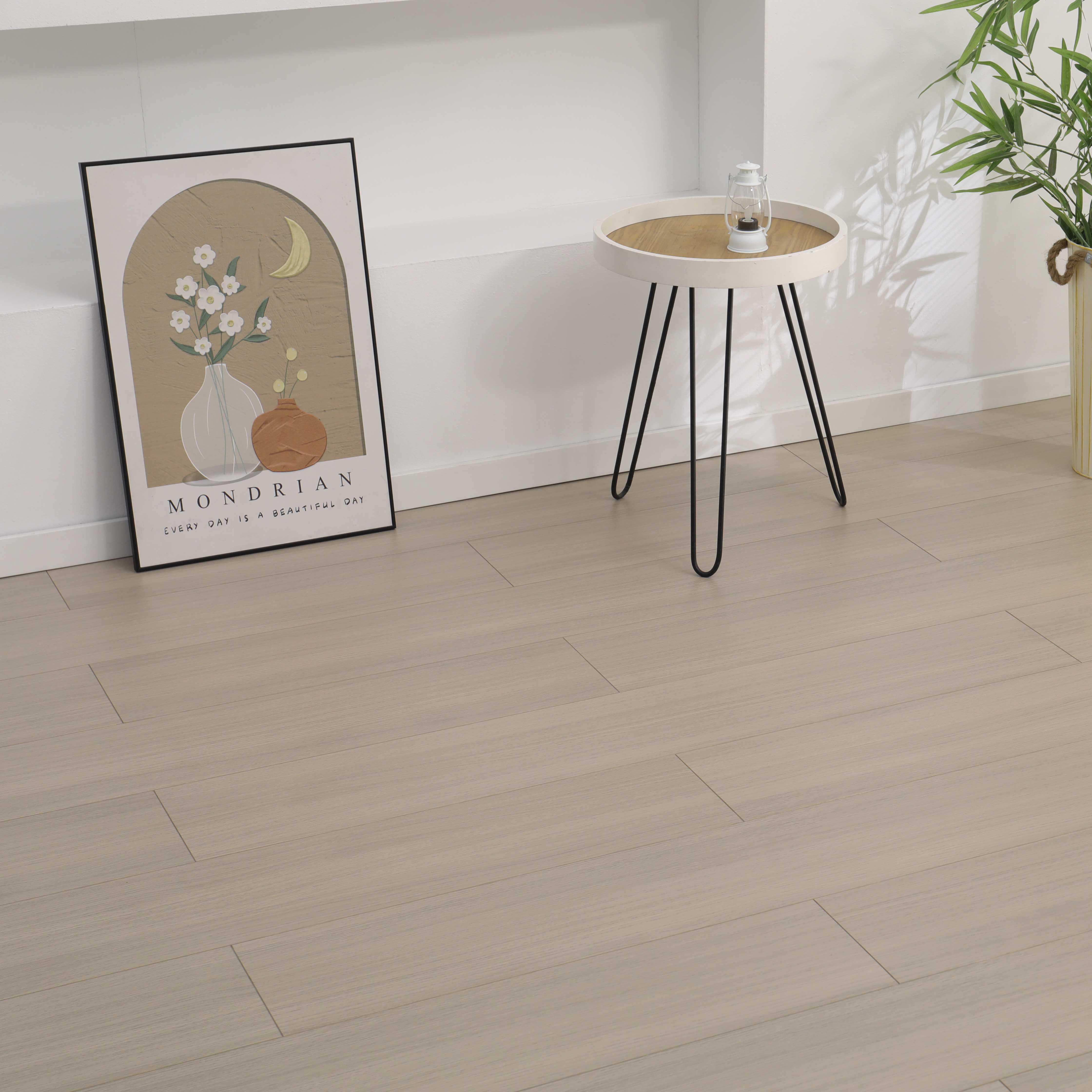
In demanding industrial and commercial environments, selecting the right flooring solution becomes critical for operational efficiency and long-term cost management. Anti-fouling floor systems have emerged as the preferred choice for facilities that require exceptional resistance to contamination, chemical exposure, and heavy wear. These specialized flooring solutions combine advanced material science with practical engineering to deliver surfaces that maintain their integrity and appearance even under the most challenging conditions.
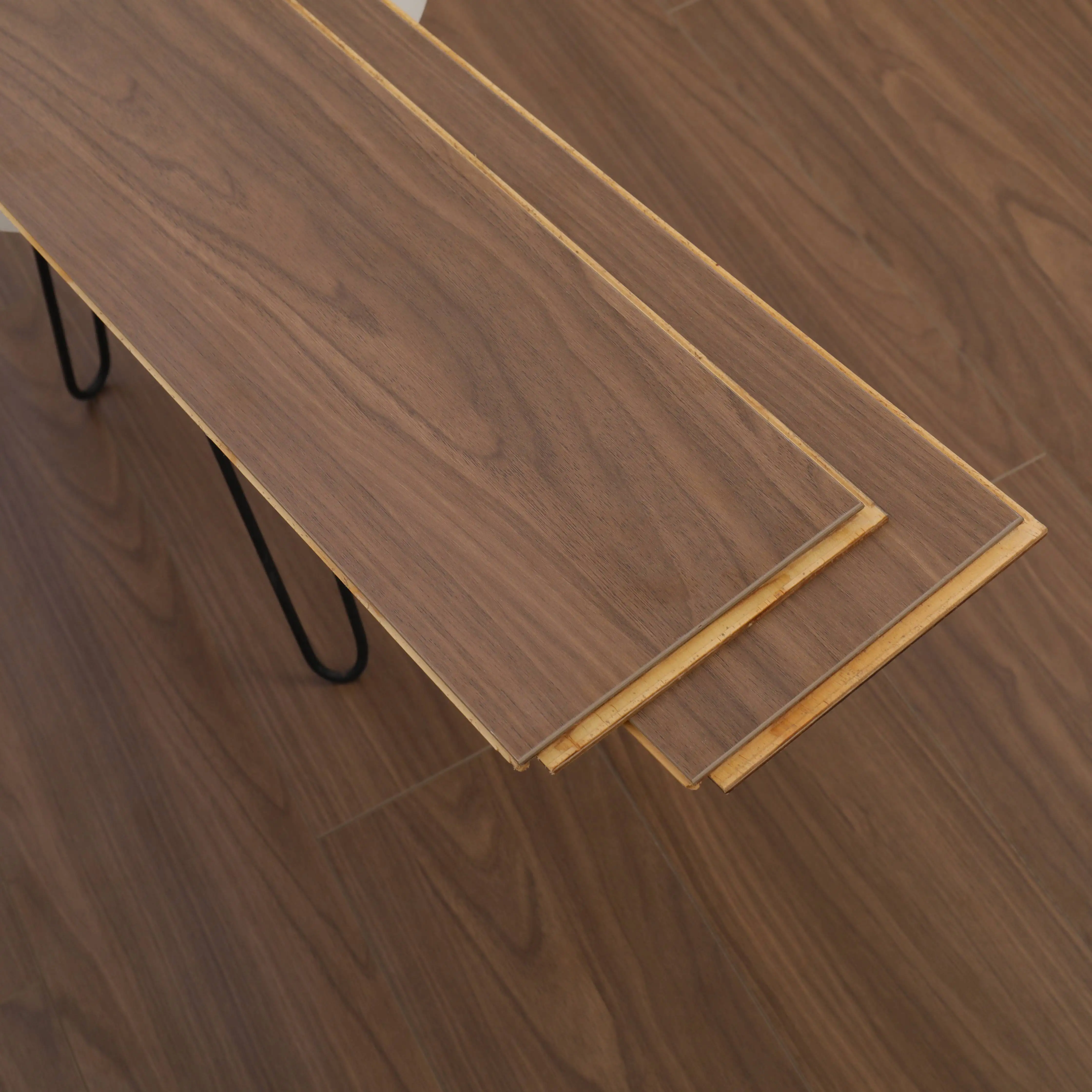
Understanding what makes anti-fouling floor systems effective requires examining their unique construction methods, material composition, and performance characteristics. These flooring solutions are engineered to resist biological growth, chemical staining, and physical degradation while providing safe, stable surfaces for workers and equipment. The technology behind anti-fouling floor systems draws from marine and aerospace industries, where preventing surface contamination is essential for safety and performance.
Modern manufacturing facilities, food processing plants, laboratories, and healthcare environments increasingly rely on anti-fouling floor solutions to meet stringent hygiene standards and regulatory requirements. These environments demand flooring that can withstand frequent cleaning with harsh chemicals, resist bacterial and fungal growth, and maintain structural integrity under thermal cycling and mechanical stress. The investment in quality anti-fouling floor systems pays dividends through reduced maintenance costs, improved safety conditions, and extended service life compared to conventional flooring materials.
Advanced Material Science Behind Anti-Fouling Floor Technology
Polymer Matrix Engineering
The foundation of effective anti-fouling floor systems lies in their sophisticated polymer matrix composition. These advanced materials utilize cross-linked polymer networks that create dense, non-porous surfaces resistant to penetration by liquids, chemicals, and biological contaminants. The polymer chains are specifically engineered to minimize surface energy, making it difficult for particles and organisms to adhere to the anti-fouling floor surface.
Modern anti-fouling floor formulations incorporate nanotechnology to enhance performance characteristics. Nanoparticles are embedded within the polymer matrix to provide additional barrier properties and improve mechanical strength. These microscopic additives create a multi-layered defense system that prevents contamination while maintaining the flexibility and durability required for industrial applications. The result is an anti-fouling floor that performs consistently across a wide range of operating conditions.
Surface Chemistry Optimization
The surface chemistry of anti-fouling floor systems is carefully engineered to minimize adhesion of unwanted materials. Specialized surface treatments create hydrophobic or hydrophilic properties depending on the specific application requirements. These chemical modifications work at the molecular level to disrupt the mechanisms that allow contaminants to bond with the floor surface, making cleaning more effective and reducing the likelihood of permanent staining or damage.
Advanced anti-fouling floor technologies also incorporate antimicrobial agents directly into the surface layer. These additives provide continuous protection against bacterial and fungal growth without compromising the structural integrity of the flooring material. The antimicrobial properties remain active throughout the service life of the anti-fouling floor, providing consistent protection even in high-moisture environments where biological growth is most likely to occur.
Performance Characteristics in Harsh Industrial Environments
Chemical Resistance Properties
One of the most critical performance aspects of anti-fouling floor systems is their exceptional chemical resistance. These flooring solutions are formulated to withstand exposure to acids, bases, solvents, and other aggressive chemicals commonly found in industrial environments. The chemical resistance is achieved through careful selection of base polymers and cross-linking agents that remain stable when exposed to potentially damaging substances.
Testing protocols for anti-fouling floor chemical resistance involve prolonged exposure to concentrated chemicals at elevated temperatures. These rigorous testing procedures ensure that the flooring will maintain its protective properties and structural integrity even when subjected to chemical spills or routine cleaning with harsh detergents. The ability of anti-fouling floor systems to resist chemical attack makes them essential for facilities where chemical exposure is unavoidable.
Mechanical Durability and Wear Resistance
The mechanical properties of anti-fouling floor systems are engineered to handle heavy equipment loads, frequent foot traffic, and impact from dropped objects. The polymer matrix is formulated to provide optimal balance between hardness and flexibility, preventing cracking under thermal expansion while maintaining resistance to abrasion and wear. This mechanical durability ensures that anti-fouling floor installations maintain their protective properties throughout their service life.
Advanced anti-fouling floor formulations incorporate reinforcing fibers or particles to enhance mechanical strength. These reinforcements are distributed throughout the material to provide isotropic properties, ensuring consistent performance regardless of load direction or application method. The enhanced mechanical properties allow anti-fouling floor systems to perform reliably in demanding applications such as manufacturing facilities, warehouses, and transportation hubs where heavy equipment operation is routine.
Installation and Maintenance Considerations
Surface Preparation Requirements
Proper surface preparation is crucial for successful anti-fouling floor installation and long-term performance. The substrate must be thoroughly cleaned, properly cured, and free from contaminants that could interfere with adhesion. Surface profiling may be required to ensure optimal mechanical bonding between the anti-fouling floor system and the underlying concrete or substrate material.
Environmental conditions during installation significantly impact anti-fouling floor performance. Temperature, humidity, and ventilation must be controlled within specified ranges to ensure proper curing and development of desired properties. Professional installation teams follow detailed protocols to ensure that each anti-fouling floor application meets performance specifications and provides the expected service life.
Long-term Maintenance Protocols
While anti-fouling floor systems require minimal maintenance compared to conventional flooring, establishing proper maintenance protocols is essential for maximizing performance and service life. Regular cleaning with appropriate detergents helps maintain the anti-fouling properties and prevents accumulation of residues that could compromise performance. The cleaning frequency and methods should be tailored to the specific operating environment and contamination levels.
Periodic inspection of anti-fouling floor installations helps identify potential issues before they become significant problems. Visual inspection for signs of wear, chemical attack, or mechanical damage allows for timely repairs that prevent more extensive damage. When properly maintained, anti-fouling floor systems can provide decades of reliable service while maintaining their protective properties and appearance.
Economic Benefits and Return on Investment
Lifecycle Cost Analysis
The economic advantages of anti-fouling floor systems become apparent when considering total lifecycle costs rather than just initial installation expenses. While the upfront investment may be higher than conventional flooring options, the reduced maintenance requirements, extended service life, and improved operational efficiency provide significant long-term savings. Anti-fouling floor systems typically require less frequent replacement and repair compared to traditional flooring materials.
Energy savings represent another important economic benefit of anti-fouling floor installations. The smooth, easy-to-clean surfaces reduce the time and energy required for routine maintenance activities. Additionally, the improved hygiene and contamination control provided by anti-fouling floor systems can help facilities maintain compliance with regulatory standards, avoiding costly violations and downtime.
Productivity and Safety Improvements
Anti-fouling floor systems contribute to improved workplace safety through their slip-resistant properties and elimination of contamination risks. The reduced likelihood of slips, falls, and exposure to hazardous materials translates to lower insurance costs and reduced liability exposure. These safety improvements also contribute to higher employee morale and productivity in work environments with anti-fouling floor installations.
The aesthetic benefits of anti-fouling floor systems should not be overlooked when calculating return on investment. Clean, professional-appearing floors contribute to positive impressions among customers, regulatory inspectors, and employees. This improved appearance can have measurable impacts on business performance, particularly in customer-facing environments where first impressions are important for success.
FAQ
How long do anti-fouling floor systems typically last in industrial environments
Anti-fouling floor systems are designed for extended service life, typically lasting 15-25 years in demanding industrial environments when properly installed and maintained. The actual service life depends on factors such as chemical exposure levels, mechanical loading, and maintenance practices. High-quality anti-fouling floor installations in well-maintained facilities can exceed their expected service life significantly.
Can anti-fouling floor systems be installed over existing concrete surfaces
Yes, anti-fouling floor systems can be applied over properly prepared existing concrete surfaces. The concrete must be structurally sound, properly cured, and free from contaminants that could interfere with adhesion. Surface preparation may include grinding, shot blasting, or chemical etching to create the optimal profile for bonding. Professional assessment is recommended to determine the best preparation method for specific conditions.
What maintenance is required to preserve anti-fouling floor performance
Anti-fouling floor systems require minimal maintenance compared to conventional flooring options. Regular cleaning with appropriate detergents and periodic inspection for wear or damage are the primary maintenance requirements. Avoid using abrasive cleaners or equipment that could damage the surface. Following manufacturer recommendations for cleaning products and methods helps ensure optimal performance throughout the service life of the anti-fouling floor system.
Are anti-fouling floor systems suitable for food processing facilities
Anti-fouling floor systems are excellent choices for food processing facilities due to their superior hygiene properties, chemical resistance, and ease of cleaning. These flooring systems meet FDA requirements for food contact surfaces and provide the antimicrobial properties necessary for maintaining sanitary conditions. The non-porous surface prevents bacterial growth and makes thorough cleaning possible, which is essential for food safety compliance in processing environments.