 EN
EN


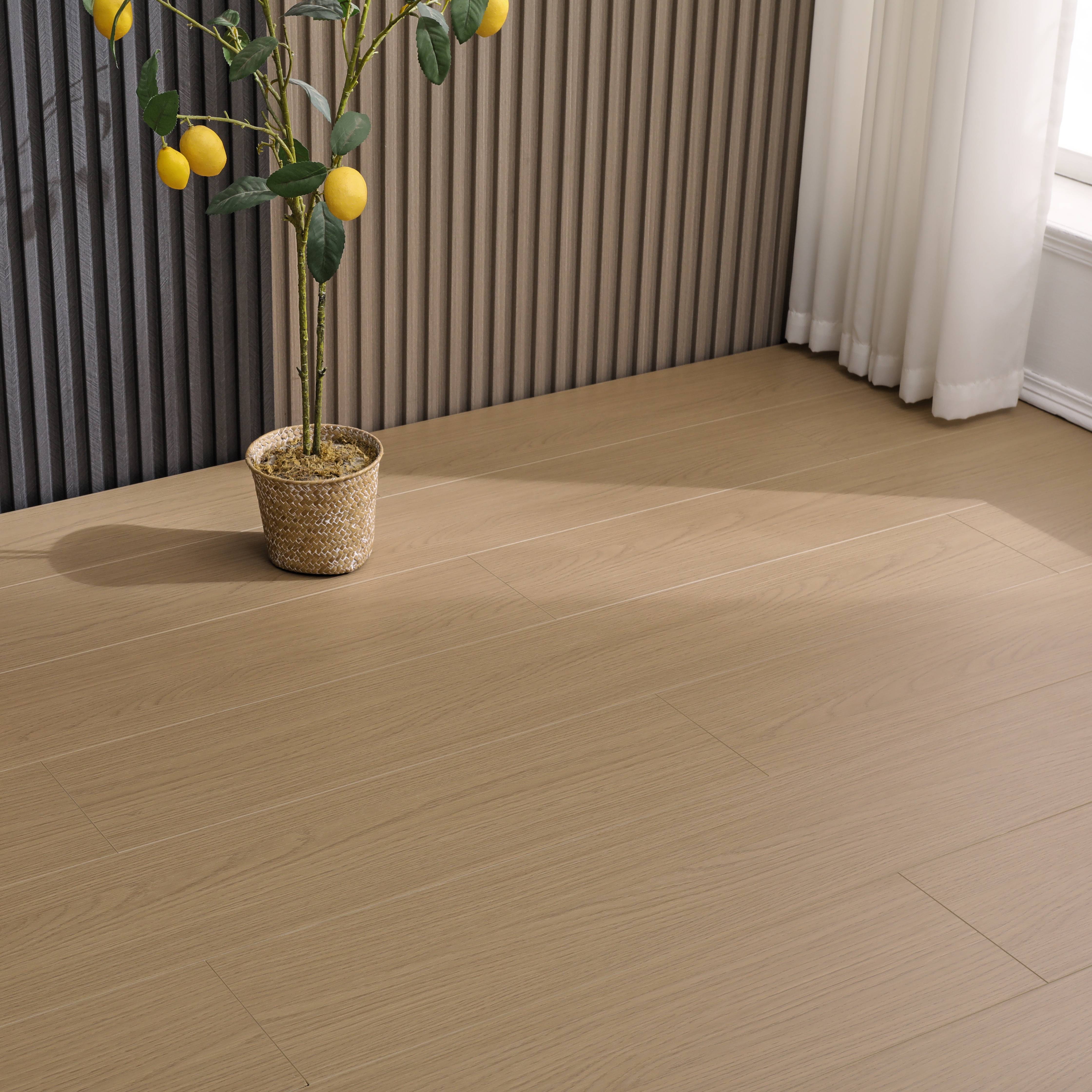
Large-scale facilities face unique flooring challenges that require sophisticated solutions to maintain operational efficiency, safety standards, and cost-effectiveness over extended periods. When facility managers evaluate flooring systems for warehouses, manufacturing plants, distribution centers, and commercial complexes, they must consider factors beyond initial installation costs, including long-term durability, maintenance requirements, and adaptability to changing operational demands. Understanding the comprehensive benefits of lock the floor systems becomes crucial for making informed decisions that impact facility performance for decades.
Lock the floor technology represents a revolutionary approach to industrial flooring that addresses the specific needs of large-scale operations through innovative interlocking mechanisms and advanced material engineering. This flooring solution delivers significant advantages in installation efficiency, structural integrity, and operational flexibility that traditional flooring methods cannot match. The benefits extend across multiple operational dimensions, from immediate installation advantages to long-term performance characteristics that directly impact facility productivity and operational costs.
Installation Efficiency and Speed Advantages
Rapid Deployment Capabilities
Lock the floor systems provide exceptional installation speed advantages for large-scale facilities where time represents a critical operational factor. The interlocking mechanism eliminates the need for adhesives, nails, or complex subfloor preparation procedures that traditionally extend installation timelines. Facility managers can achieve complete floor coverage in significantly reduced timeframes, often completing projects 50-70% faster than conventional installation methods. This acceleration becomes particularly valuable when facilities must minimize operational disruptions during floor upgrades or expansions.
The modular nature of lock the floor technology allows installation teams to work in sections without affecting adjacent operational areas. Large warehouses and manufacturing facilities can maintain partial operations while flooring installation progresses systematically through different zones. This phased approach reduces revenue loss associated with facility downtime and enables businesses to maintain customer commitments during infrastructure improvements.
Simplified Installation Requirements
Traditional flooring installation in large facilities often requires extensive subfloor preparation, moisture barriers, and specialized adhesive applications that demand precise environmental conditions. Lock the floor systems significantly reduce these complex requirements through their floating installation methodology. The interlocking design distributes loads evenly across the subfloor surface, accommodating minor irregularities without requiring extensive grinding or leveling procedures that add substantial costs to large-scale projects.
Installation teams can work effectively across varying environmental conditions without waiting for optimal temperature and humidity ranges required by adhesive-dependent systems. This flexibility proves particularly valuable for facilities with challenging climate control requirements or those operating in regions with significant seasonal variations. The elimination of curing times and off-gassing periods allows immediate facility use after installation completion, maximizing operational efficiency.
Structural Performance and Durability Benefits
Enhanced Load Distribution
Large-scale facilities typically support heavy equipment, material handling systems, and concentrated load points that challenge conventional flooring materials. Lock the floor systems excel in these demanding environments through their integrated load distribution characteristics. The interlocking mechanism creates a unified surface that spreads concentrated loads across multiple planks, reducing stress concentrations that cause premature failure in traditional installations.
This distributed load approach proves particularly beneficial for facilities with forklift operations, heavy machinery installations, and dynamic loading conditions. The lock the floor technology maintains structural integrity under repetitive loading cycles that would cause conventional floors to develop wear patterns, delamination, or structural failure over time.
Superior Impact Resistance
Industrial environments subject flooring systems to constant impact stresses from dropped materials, equipment movement, and operational activities that can compromise floor integrity. Lock the floor systems demonstrate exceptional impact resistance through their engineered construction and interlocking design that absorbs and distributes impact energy effectively. The floating installation allows the entire floor system to flex slightly under impact loads, preventing the concentrated stress points that cause cracking or chipping in rigidly attached floors.
This impact resistance translates directly into reduced maintenance costs and extended service life for large facilities where operational demands cannot accommodate frequent floor repairs or replacements. Facilities handling heavy materials, operating automated systems, or supporting high-traffic operations benefit substantially from the reduced damage rates associated with lock the floor installations.
Operational Flexibility and Adaptability
Reconfiguration Capabilities
Large-scale facilities often require layout modifications to accommodate changing operational requirements, equipment upgrades, or business expansion initiatives. Lock the floor systems provide unprecedented flexibility for facility reconfiguration through their removable and reusable installation characteristics. Facility managers can relocate, replace, or reconfigure flooring sections without destroying the existing investment, enabling cost-effective facility adaptations that support evolving business needs.
This reconfiguration capability proves particularly valuable for facilities with seasonal operational variations, multi-tenant arrangements, or evolving technology requirements. The ability to relocate high-performance flooring to different facility areas maximizes asset utilization and reduces the total cost of ownership associated with facility modifications. Lock the floor technology supports dynamic facility management strategies that traditional permanently installed floors cannot accommodate.
Maintenance Access Benefits
Large facilities typically house extensive utility infrastructure, including electrical systems, plumbing, telecommunications, and automated material handling networks that require periodic access for maintenance, upgrades, or troubleshooting. Lock the floor systems facilitate superior maintenance access through their removable panel design that allows targeted access to specific infrastructure areas without disturbing adjacent floor sections.
This selective access capability reduces facility disruption during maintenance operations and eliminates the costly floor destruction and replacement cycles associated with accessing utilities beneath traditional installations. Facility managers can maintain operational continuity while addressing infrastructure requirements, supporting both planned maintenance schedules and emergency response situations more effectively than conventional flooring systems allow.
Long-Term Economic Advantages
Reduced Lifecycle Costs
Large-scale facilities must evaluate flooring investments based on total lifecycle costs rather than initial installation expenses alone. Lock the floor systems deliver substantial long-term economic advantages through reduced maintenance requirements, extended service life, and lower replacement costs over the facility's operational timeline. The durable construction and replaceable individual components enable facilities to address localized wear or damage without full floor replacement, significantly reducing long-term flooring expenses.
The elimination of adhesive-related maintenance issues, such as delamination, edge lifting, or moisture-induced failures, further reduces ongoing maintenance costs that accumulate substantially over large facility areas. Lock the floor technology maintains consistent performance characteristics throughout its service life, avoiding the gradual degradation patterns that require increasing maintenance investments as traditional floors age.
Asset Protection Benefits
High-quality lock the floor installations protect underlying structural elements and facility infrastructure from moisture intrusion, chemical exposure, and mechanical damage that can cause costly structural repairs in large facilities. The interlocked surface creates effective barriers against spills, cleaning chemicals, and environmental contaminants that might otherwise penetrate to sensitive subfloor areas or infrastructure systems.
This protective function proves particularly valuable for facilities with chemical handling operations, food processing requirements, or sensitive equipment installations where floor failure could result in significant secondary damage costs. The investment in superior flooring technology protects against catastrophic failure scenarios that could disrupt operations or require extensive facility remediation efforts.
FAQ
How does lock the floor installation time compare to traditional methods in large facilities?
Lock the floor installations typically complete 50-70% faster than traditional methods in large facilities due to the elimination of adhesive application, curing time requirements, and extensive subfloor preparation procedures. The interlocking mechanism allows immediate installation without environmental condition restrictions, enabling continuous progress regardless of temperature or humidity variations. Large facilities can often complete entire floor installations in days rather than weeks, significantly reducing operational disruption and associated revenue losses.
What load capacities can lock the floor systems support in industrial environments?
Lock the floor systems are engineered to support substantial industrial loads through their distributed load design and high-strength construction materials. Most commercial-grade lock the floor products support concentrated loads exceeding 2000 pounds per square foot while maintaining structural integrity under dynamic loading conditions typical of forklift operations and heavy machinery installations. The interlocking mechanism distributes loads across multiple planks, preventing the stress concentrations that cause premature failure in traditional installations.
Can lock the floor systems be relocated or reconfigured after installation?
Yes, lock the floor systems offer complete relocatability and reconfiguration capabilities that traditional flooring cannot match. Individual planks can be removed and reinstalled in different configurations without damage to the flooring material or surrounding installation. This flexibility enables facility managers to adapt flooring layouts for operational changes, relocate high-performance surfaces to different facility areas, or recover flooring investments during facility relocations or renovations.
What maintenance requirements do lock the floor systems have in large-scale applications?
Lock the floor systems require minimal maintenance compared to traditional flooring installations, primarily involving standard cleaning procedures appropriate for the surface material and periodic inspection of locking mechanisms. The absence of adhesive bonds eliminates delamination issues, while the replaceable individual component design allows targeted maintenance of high-wear areas without disturbing the entire installation. Most facilities find that routine cleaning and occasional individual plank replacement provide sufficient maintenance for extended service life.
Table of Contents
- Installation Efficiency and Speed Advantages
- Structural Performance and Durability Benefits
- Operational Flexibility and Adaptability
- Long-Term Economic Advantages
-
FAQ
- How does lock the floor installation time compare to traditional methods in large facilities?
- What load capacities can lock the floor systems support in industrial environments?
- Can lock the floor systems be relocated or reconfigured after installation?
- What maintenance requirements do lock the floor systems have in large-scale applications?