 EN
EN


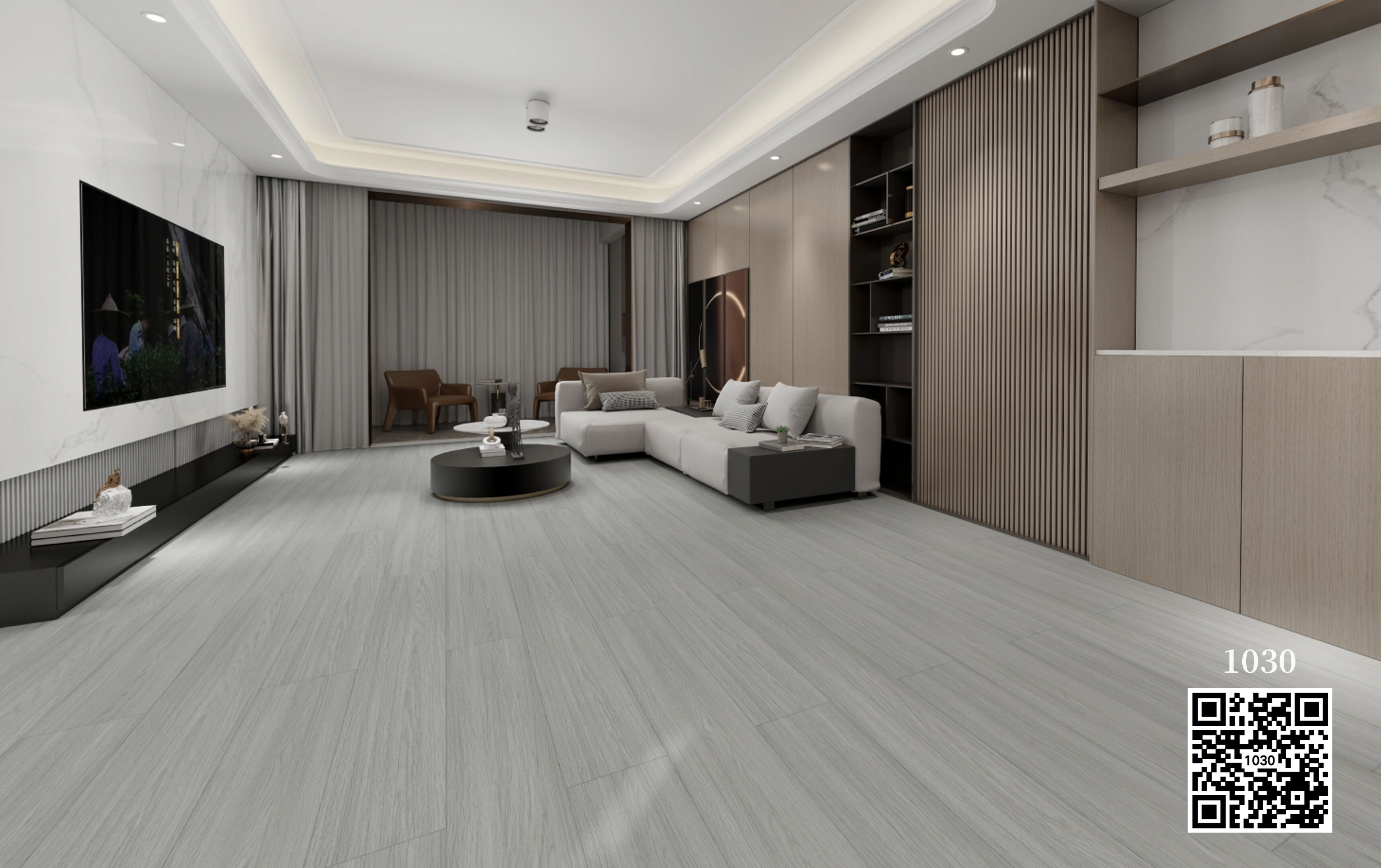
Multi-layer flooring represents a sophisticated engineering approach that has transformed commercial building construction by offering superior performance characteristics compared to traditional single-layer alternatives. This advanced flooring technology combines multiple material layers into a unified system, creating enhanced structural integrity, improved durability, and better functionality for high-traffic commercial environments. Understanding the comprehensive benefits of multi-layer floor systems is essential for property developers, facility managers, and construction professionals who need to make informed decisions about flooring investments that will serve their commercial spaces effectively for decades to come.
The strategic implementation of multi-layer floor technology in commercial buildings addresses multiple operational challenges simultaneously, from moisture management and thermal regulation to sound control and maintenance efficiency. These engineered flooring systems deliver measurable business advantages through reduced lifecycle costs, enhanced occupant comfort, and improved building performance metrics. Commercial property owners who choose multi-layer floor solutions often experience significant returns on investment through decreased maintenance requirements, extended service life, and improved tenant satisfaction ratings that support higher occupancy rates and rental values.
Structural Performance and Durability Advantages
Enhanced Load Distribution and Stability
The multi-layer floor construction methodology fundamentally improves how commercial buildings handle structural loads by distributing weight across multiple engineered layers rather than relying on a single material system. This distributed load approach creates superior stability characteristics that are particularly valuable in commercial environments where heavy equipment, high foot traffic, and dynamic loading conditions are common. The multiple layers work synergistically to absorb and redistribute stress forces, preventing localized failure points that can compromise flooring integrity over time.
Professional engineers recognize that multi-layer floor systems provide enhanced dimensional stability compared to traditional flooring options, reducing the risk of warping, buckling, or separation that can occur in single-layer installations. This stability advantage translates directly into reduced maintenance costs and extended service life, making multi-layer floor technology an economically sound choice for commercial applications where flooring replacement downtime can significantly impact business operations.
Superior Resistance to Environmental Stresses
Commercial buildings face constant environmental challenges that can degrade traditional flooring materials, but multi-layer floor systems are specifically engineered to withstand these demanding conditions. The layered construction allows different materials to handle specific environmental stresses according to their optimized properties, such as moisture-resistant base layers that prevent water infiltration and wear-resistant surface layers that maintain appearance under heavy use.
Temperature fluctuations, humidity changes, and chemical exposure from cleaning products or industrial processes pose significant challenges in commercial settings, but multi-layer floor construction addresses these concerns through strategic material selection and layer configuration. The thermal expansion and contraction characteristics of individual layers are carefully balanced to minimize movement and maintain structural integrity across varying environmental conditions, ensuring consistent performance regardless of seasonal changes or building usage patterns.
Operational Efficiency and Cost Benefits
Reduced Maintenance Requirements and Lifecycle Costs
The implementation of multi-layer floor systems in commercial buildings generates substantial operational savings through dramatically reduced maintenance requirements compared to traditional flooring alternatives. The protective top layer in multi-layer floor construction acts as a sacrificial barrier that absorbs daily wear and tear, protecting the underlying structural layers from damage that would typically require expensive repairs or complete replacement in single-layer systems.
Facility managers consistently report that multi-layer floor installations require significantly less frequent deep cleaning, refinishing, and repair interventions, allowing maintenance budgets to be allocated more effectively across other building systems. The modular nature of multi-layer floor technology also enables targeted repairs when damage does occur, as individual layers can often be addressed without disrupting the entire flooring system, minimizing both repair costs and business disruption during maintenance activities.
Enhanced Installation Efficiency and Flexibility
The installation process for multi-layer floor systems offers substantial time and cost advantages in commercial construction projects due to the pre-engineered nature of the layered components and the reduced substrate preparation requirements. Unlike traditional flooring installations that may require extensive underlayment preparation, moisture barriers, and multiple curing periods, multi-layer floor systems integrate these functions into the engineered product design, streamlining the installation timeline.
Construction project managers appreciate that multi-layer floor installations can often proceed simultaneously with other building systems work, reducing overall project timelines and enabling faster occupancy schedules. The standardized dimensions and connection systems used in quality multi-layer floor products also reduce installation complexity and the potential for costly field modifications or delays that can impact commercial construction budgets and schedules.
Environmental Performance and Comfort Enhancement
Superior Thermal and Acoustic Properties
Multi-layer floor systems deliver exceptional thermal performance characteristics that contribute significantly to commercial building energy efficiency and occupant comfort levels. The layered construction creates natural insulation properties that help regulate temperature transfer between floors and reduce the load on HVAC systems, resulting in measurable energy cost savings over the building's operational lifetime. The thermal mass characteristics of multi-layer floor installations also help moderate temperature swings, creating more stable and comfortable interior environments.
Sound control represents another critical advantage of multi-layer floor technology in commercial applications, where noise transmission between floors can significantly impact productivity and tenant satisfaction. The multiple material layers in engineered flooring systems provide superior acoustic dampening compared to traditional options, reducing both impact noise from footsteps and airborne sound transmission that can disrupt business operations in multi-tenant commercial buildings.
Moisture Management and Indoor Air Quality Benefits
Effective moisture management is essential in commercial building environments, and multi-layer floor systems excel in this area through integrated vapor barriers and moisture-resistant layer configurations that prevent water infiltration and subsequent problems such as mold growth or structural deterioration. The engineered layer composition allows for controlled moisture migration while preventing accumulation that could compromise air quality or building integrity.
Indoor air quality benefits from multi-layer floor installations extend beyond moisture control to include reduced off-gassing and improved chemical resistance compared to traditional flooring materials. Many commercial-grade multi-layer floor products are manufactured with low-emission materials and finishes that contribute to healthier indoor environments, supporting LEED certification goals and creating more attractive spaces for tenants who prioritize environmental health and sustainability.
Design Flexibility and Aesthetic Advantages
Versatile Appearance Options and Customization
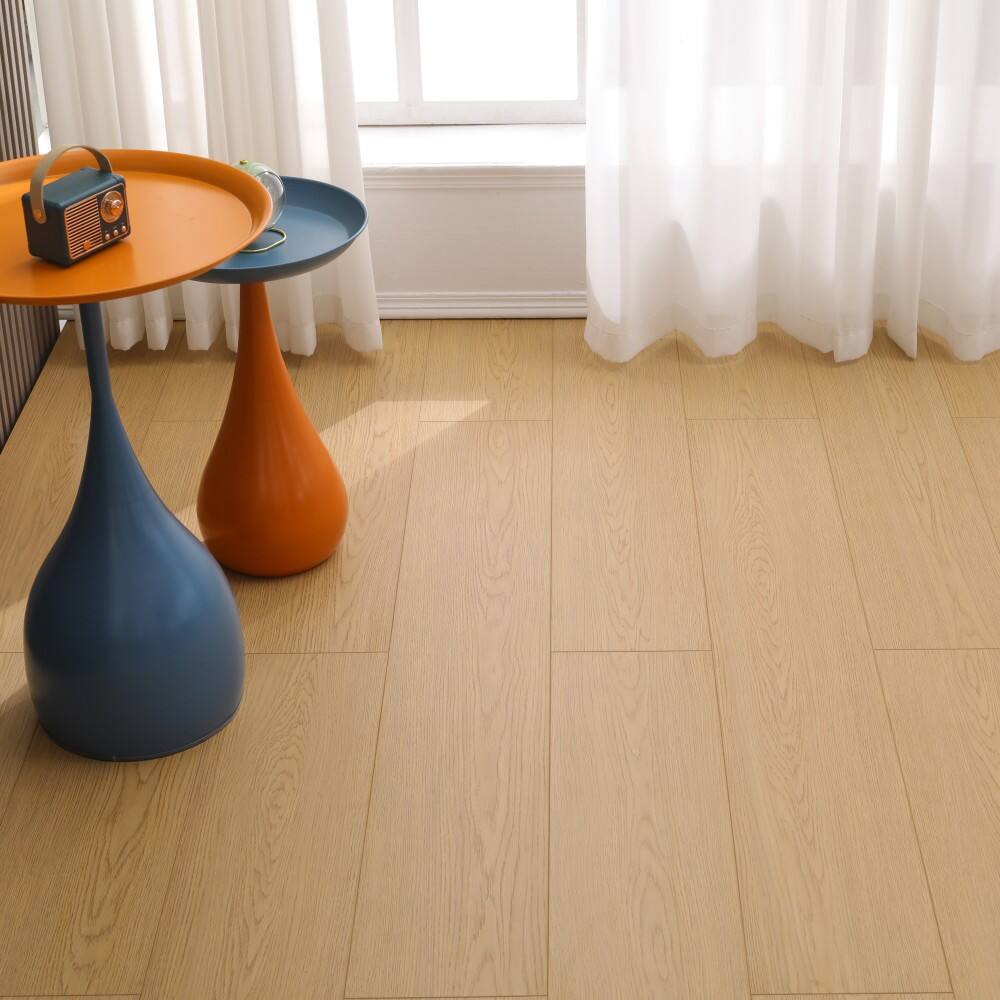
The design possibilities available with multi-layer floor technology far exceed those of traditional commercial flooring options, enabling architects and designers to achieve sophisticated aesthetic goals while maintaining the performance characteristics required for demanding commercial applications. The surface layer of multi-layer floor systems can incorporate a wide range of materials, textures, colors, and patterns without compromising the structural integrity or functional performance of the underlying layers.
Commercial property developers benefit from the ability to specify multi-layer floor systems that complement specific architectural themes or branding requirements while ensuring long-term durability and performance. The manufacturing flexibility inherent in multi-layer floor production allows for custom color matching, unique texture creation, and specialized surface treatments that can differentiate commercial properties in competitive markets while providing the reliability and longevity that commercial applications demand.
Adaptability for Future Renovations and Updates
The modular nature of multi-layer floor construction provides significant advantages for commercial buildings that may require renovations or updates during their operational lifetime. The ability to modify or replace individual layers without disrupting the entire flooring system enables cost-effective updates that can refresh appearance, improve performance characteristics, or adapt spaces for new tenant requirements without the expense and disruption of complete flooring replacement.
Forward-thinking property managers recognize that multi-layer floor systems offer superior adaptability for evolving commercial space requirements, whether accommodating new technology installations, changing traffic patterns, or updated safety regulations. This flexibility helps protect the long-term value of commercial flooring investments by enabling incremental improvements rather than wholesale replacements when building needs change or upgrade opportunities arise.
FAQ
How long do multi-layer floors typically last in commercial buildings?
Multi-layer floor systems in commercial applications typically provide 15-25 years of service life when properly installed and maintained, significantly longer than traditional single-layer alternatives. The actual lifespan depends on factors such as traffic levels, maintenance practices, and environmental conditions, but the layered construction design inherently provides better durability through distributed wear patterns and protective surface layers that extend overall system life.
Are multi-layer floors suitable for high-moisture commercial environments?
Yes, properly engineered multi-layer floor systems are excellent for high-moisture commercial environments due to integrated moisture barriers and water-resistant layer configurations. The layered design allows for strategic placement of moisture-resistant materials while maintaining structural integrity and performance characteristics, making them suitable for applications such as restaurants, healthcare facilities, and other commercial spaces where moisture control is critical.
What is the cost comparison between multi-layer floors and traditional commercial flooring?
While multi-layer floor systems typically have higher initial installation costs compared to basic commercial flooring options, they provide superior long-term value through reduced maintenance requirements, extended service life, and enhanced performance characteristics. Total cost of ownership calculations consistently favor multi-layer floor investments in commercial applications due to lower lifecycle costs and reduced business disruption from maintenance activities.
Can multi-layer floors be installed over existing commercial flooring?
Many multi-layer floor systems can be successfully installed over existing commercial flooring when the substrate is properly prepared and meets manufacturer specifications for flatness, stability, and moisture content. This installation flexibility can significantly reduce renovation costs and timeline by eliminating the need for complete flooring removal, though professional assessment is essential to ensure proper installation and performance in each specific application.
Table of Contents
- Structural Performance and Durability Advantages
- Operational Efficiency and Cost Benefits
- Environmental Performance and Comfort Enhancement
- Design Flexibility and Aesthetic Advantages
-
FAQ
- How long do multi-layer floors typically last in commercial buildings?
- Are multi-layer floors suitable for high-moisture commercial environments?
- What is the cost comparison between multi-layer floors and traditional commercial flooring?
- Can multi-layer floors be installed over existing commercial flooring?