 EN
EN


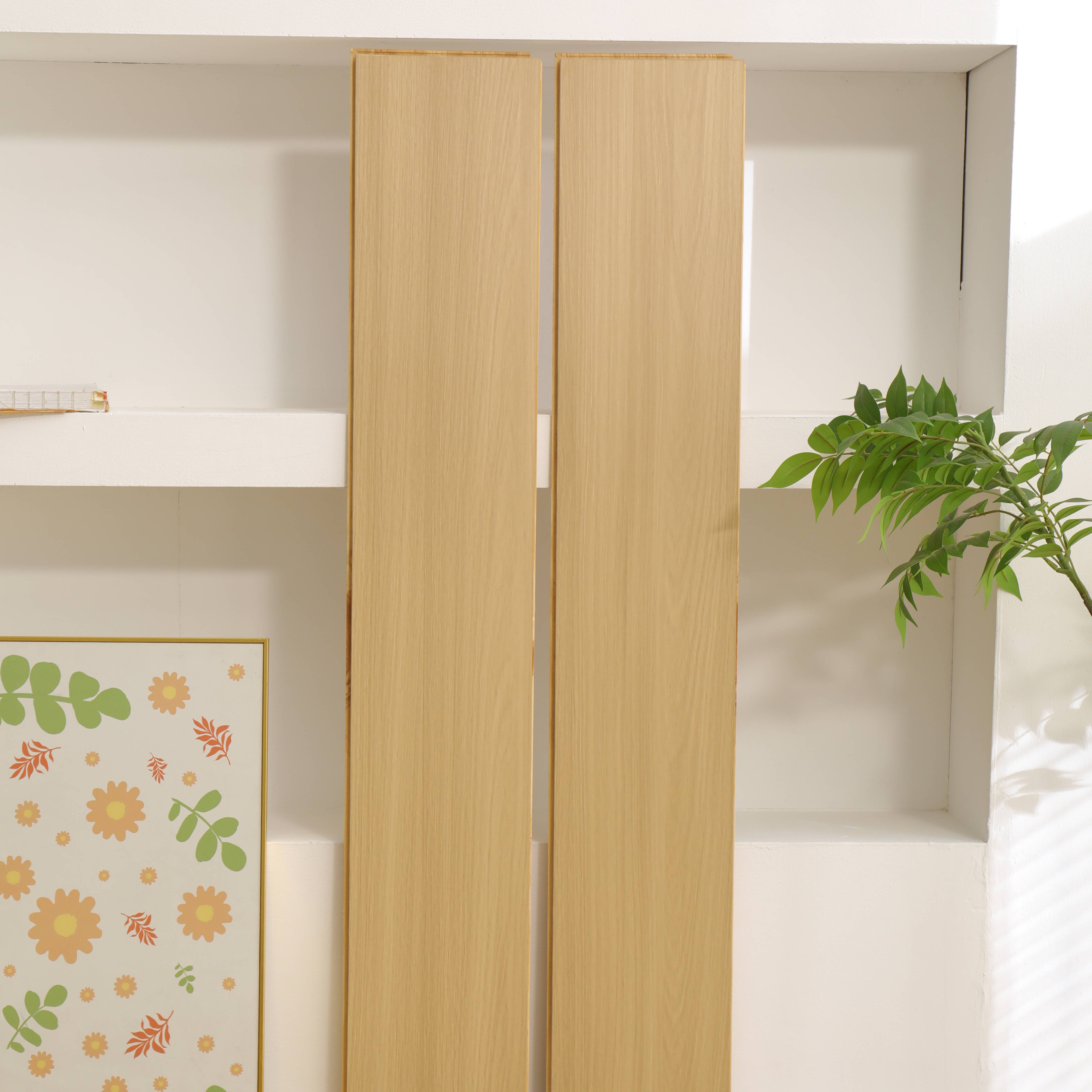
Multi-layer floor construction represents a revolutionary approach to flooring durability, particularly in environments where foot traffic, equipment movement, and daily wear create demanding conditions. Unlike traditional single-layer flooring systems, multi-layer floor designs integrate multiple structural components that work synergistically to distribute stress, absorb impact, and maintain surface integrity over extended periods of heavy use.
The engineering principles behind multi-layer floor systems address the fundamental challenge of maintaining structural stability while accommodating the dynamic forces present in high-traffic environments. By incorporating specialized core materials, protective surface layers, and stabilizing substrates, these flooring solutions create a comprehensive defense system against the mechanical stresses that typically cause premature failure in conventional flooring installations.
Structural Composition and Load Distribution Mechanisms
Core Layer Engineering for Stress Management
The core layer of a multi-layer floor serves as the primary load-bearing component, designed to distribute concentrated forces across a wider surface area. This central component typically consists of high-density fiberboard, engineered wood, or composite materials that provide dimensional stability under varying moisture and temperature conditions. The core layer thickness and density directly influence the floor's ability to resist deflection under heavy loads, preventing the surface deformation that leads to visible wear patterns and structural compromise.
Advanced multi-layer floor systems incorporate cross-grain construction techniques within the core layer, creating perpendicular fiber orientations that counteract expansion and contraction forces. This engineering approach significantly reduces the seasonal movement that can create gaps, warping, or surface irregularities in high-traffic installations. The result is a more stable platform that maintains consistent performance regardless of environmental fluctuations.
The load distribution characteristics of the core layer also prevent point loading damage, which occurs when concentrated forces from furniture legs, equipment wheels, or heavy foot traffic create localized stress concentrations. By spreading these forces across the entire floor structure, the multi-layer floor maintains surface integrity and prevents the indentations or surface failures common in single-layer systems.
Surface Layer Protection and Wear Resistance
The surface layer of a multi-layer floor represents the primary interface with daily traffic and environmental exposure. This layer incorporates multiple protective elements, including wear-resistant coatings, textured finishes, and impact-absorbing materials that collectively extend the functional lifespan of the flooring system. High-performance surface layers often feature aluminum oxide or ceramic particles embedded in polyurethane matrices, creating a hardened barrier against abrasive wear.
Surface layer engineering also addresses the visual aspects of durability, incorporating color stability technologies and UV-resistant formulations that prevent fading and discoloration under prolonged exposure to natural and artificial lighting. This comprehensive protection ensures that the multi-layer floor maintains its aesthetic appeal throughout its extended service life, reducing the need for frequent refinishing or replacement.
The thickness and composition of the surface layer directly correlate with the floor's ability to withstand repeated cleaning cycles, chemical exposure, and mechanical abrasion. Premium multi-layer floor systems feature surface layers exceeding 3mm in thickness, providing substantial material reserves that can accommodate multiple refinishing cycles without compromising the underlying structural layers.
Moisture Management and Environmental Stability
Integrated Vapor Barrier Systems
Moisture infiltration represents one of the most significant threats to flooring durability in high-traffic environments, where frequent cleaning, spill incidents, and humidity fluctuations create challenging conditions. Multi-layer floor systems address this vulnerability through integrated moisture barrier technologies that prevent water penetration while maintaining breathability for underlying substrates. These barrier systems typically incorporate polyethylene films, moisture-resistant adhesives, and sealed edge treatments that create a comprehensive defense against liquid infiltration.
The positioning of moisture barriers within the multi-layer floor construction is critical to their effectiveness. Strategic placement between the core layer and surface layer prevents moisture from reaching the wood-based components that are most susceptible to dimensional changes and biological degradation. This configuration maintains the structural integrity of the core layer while allowing the surface layer to manage direct moisture exposure through its protective coatings.
Advanced multi-layer floor designs incorporate moisture detection and management systems that actively monitor humidity levels within the floor structure. These systems can trigger ventilation responses or alert facility managers to conditions that might compromise long-term durability, enabling proactive maintenance interventions before moisture-related damage occurs.
Thermal Expansion Accommodation
Temperature variations in high-traffic environments can create significant expansion and contraction forces that stress flooring systems and create visible gaps or buckling. Multi-layer floor construction addresses these thermal dynamics through engineered expansion joints, flexible installation systems, and materials selection that minimizes dimensional changes across temperature ranges. The layered construction allows different materials to expand and contract at different rates without creating internal stress concentrations.
The thermal stability of multi-layer floor systems is particularly important in facilities with underfloor heating systems or areas exposed to significant temperature variations throughout daily operations. The multi-layer construction distributes thermal stress across multiple interfaces, preventing the surface cracking or delamination that can occur when thermal forces exceed the bonding strength of single-layer systems.
Specialized installation techniques for multi-layer floor systems include floating floor methods that allow the entire floor assembly to move as a unit, accommodating thermal expansion without creating stress points at fixed attachment locations. This approach maintains the structural integrity of the multi-layer floor while preserving its surface appearance and performance characteristics.
Impact Resistance and Surface Recovery
Dynamic Load Response Characteristics
The ability of multi-layer floor systems to absorb and distribute impact forces distinguishes them from rigid flooring alternatives in high-traffic applications. The layered construction creates a graduated stiffness profile that allows the surface layer to deflect slightly under impact while the core layer provides structural support and returns the surface to its original position. This dynamic response prevents the permanent deformation that characterizes impact damage in less resilient flooring systems.
Impact resistance testing for multi-layer floor systems evaluates both immediate damage resistance and long-term performance under repeated loading cycles. These assessments simulate the effects of dropped objects, rolling equipment loads, and concentrated foot traffic to validate the durability claims of different multi-layer floor constructions. Superior systems demonstrate minimal visible damage even after exposure to impacts that would permanently mark or crack traditional flooring materials.
The recovery characteristics of multi-layer floor systems also contribute to their longevity in demanding environments. The ability of the surface layer to return to its original profile after impact loading prevents the accumulation of surface irregularities that can accelerate wear and create maintenance challenges. This self-recovering behavior maintains the smooth, level surface essential for safe pedestrian traffic and efficient equipment operation.
Abrasion Resistance and Surface Hardness
Surface hardness in multi-layer floor systems results from the careful selection and processing of wear layer materials, with hardwood species, surface treatments, and protective coatings all contributing to the overall abrasion resistance. The Janka hardness rating of the surface species provides a baseline measure of resistance to denting and surface marking, while protective coatings extend this resistance through chemical and physical reinforcement of the wood surface.
The multi-layer floor construction allows for the use of extremely hard surface species that might be unsuitable for solid wood applications due to their tendency to crack or split under stress. By providing a stable, engineered substrate, the multi-layer floor enables the use of exotic hardwoods and specially treated surface materials that maximize abrasion resistance while maintaining the natural beauty of wood flooring.
Advanced surface treatments for multi-layer floor systems include penetrating hardeners that chemically modify the wood structure to increase density and resistance to wear. These treatments work in conjunction with surface coatings to create multiple layers of protection that extend the effective lifespan of the flooring system far beyond what is achievable with untreated wood surfaces.
Installation Efficiency and Long-Term Performance
Subfloor Preparation and Adhesion Systems
The installation requirements for multi-layer floor systems are typically less demanding than those for solid wood flooring, as the engineered construction compensates for minor subfloor irregularities and moisture variations. This tolerance reduces installation time and costs while ensuring superior long-term performance in challenging environments. The dimensional stability of multi-layer floor products allows for installation over concrete subfloors, radiant heating systems, and other substrates that would be unsuitable for solid wood applications.
Adhesion systems for multi-layer floor installations utilize specially formulated adhesives that accommodate the different expansion rates of the various floor layers while maintaining strong bonds under dynamic loading conditions. These adhesives often incorporate moisture-curing technologies that create chemical bonds with both the flooring material and the subfloor, resulting in a permanent installation that resists delamination and maintains structural integrity.
The installation efficiency of multi-layer floor systems contributes to their cost-effectiveness in high-traffic applications by reducing labor requirements and minimizing disruption to facility operations. Many multi-layer floor products feature click-lock or tongue-and-groove installation systems that eliminate the need for adhesives or mechanical fasteners, enabling rapid installation with minimal specialized equipment or expertise.
Maintenance Requirements and Lifecycle Management
The maintenance profile of multi-layer floor systems reflects their enhanced durability characteristics, with routine care requirements that are typically less intensive than those for traditional flooring materials. The protective surface layers resist staining and liquid penetration, allowing for easy cleaning with standard commercial cleaning products and equipment. The dimensional stability of the multi-layer floor construction also eliminates the seasonal maintenance tasks associated with solid wood flooring, such as gap filling and humidity adjustment.
Long-term maintenance planning for multi-layer floor installations focuses on protective coating renewal rather than structural repairs or replacement. The thick wear layers of premium multi-layer floor products can accommodate multiple refinishing cycles, extending the effective lifespan of the flooring system to 20 years or more in properly maintained high-traffic environments. This extended service life provides significant cost advantages over alternative flooring materials that require more frequent replacement.
The performance monitoring of multi-layer floor systems in high-traffic applications provides valuable data for optimizing maintenance schedules and identifying areas that may require additional protection or more frequent attention. This data-driven approach to maintenance management ensures that the multi-layer floor continues to provide optimal performance throughout its designed service life while minimizing unexpected failures or premature replacement needs.
FAQ
What makes multi-layer floor more durable than solid wood flooring in high-traffic areas?
Multi-layer floor systems achieve superior durability through their engineered construction that distributes stress across multiple structural components rather than relying on a single piece of wood to handle all forces. The cross-grain core layer prevents seasonal expansion and contraction that can create gaps and warping, while the protective surface layer provides enhanced resistance to abrasion, impact, and moisture penetration. This combination results in a flooring system that maintains its structural integrity and appearance far longer than solid wood in demanding environments.
How does the layered construction help with moisture resistance?
The multi-layer floor design incorporates integrated moisture barrier systems positioned between the core and surface layers, preventing water infiltration from reaching the wood components most susceptible to damage. The surface layer features protective coatings and sealed edges that resist liquid penetration, while the stable core layer maintains its dimensions even under varying humidity conditions. This comprehensive moisture management system prevents the swelling, warping, and biological degradation that commonly affect single-layer flooring in high-moisture environments.
Can multi-layer floors be refinished like traditional hardwood floors?
Yes, premium multi-layer floor systems with thick wear layers can be refinished multiple times, similar to solid hardwood flooring. The surface layer thickness, typically 3mm or more in high-quality products, provides sufficient material for sanding and refinishing operations. However, the enhanced durability of the factory-applied protective coatings often extends the time between refinishing cycles compared to traditional hardwood, making the maintenance schedule more predictable and cost-effective over the floor's lifespan.
What thickness of multi-layer flooring is recommended for high-traffic commercial applications?
For high-traffic commercial environments, multi-layer floor systems should feature a total thickness of at least 15mm with a wear layer of 3mm or greater. This specification provides the structural stability needed to handle heavy loads and frequent traffic while offering sufficient surface material for long-term performance and multiple refinishing cycles. Thicker systems, up to 20mm total thickness, may be warranted in extremely demanding applications such as retail spaces, educational facilities, or healthcare environments where durability requirements are paramount.
Table of Contents
- Structural Composition and Load Distribution Mechanisms
- Moisture Management and Environmental Stability
- Impact Resistance and Surface Recovery
- Installation Efficiency and Long-Term Performance
-
FAQ
- What makes multi-layer floor more durable than solid wood flooring in high-traffic areas?
- How does the layered construction help with moisture resistance?
- Can multi-layer floors be refinished like traditional hardwood floors?
- What thickness of multi-layer flooring is recommended for high-traffic commercial applications?