 EN
EN


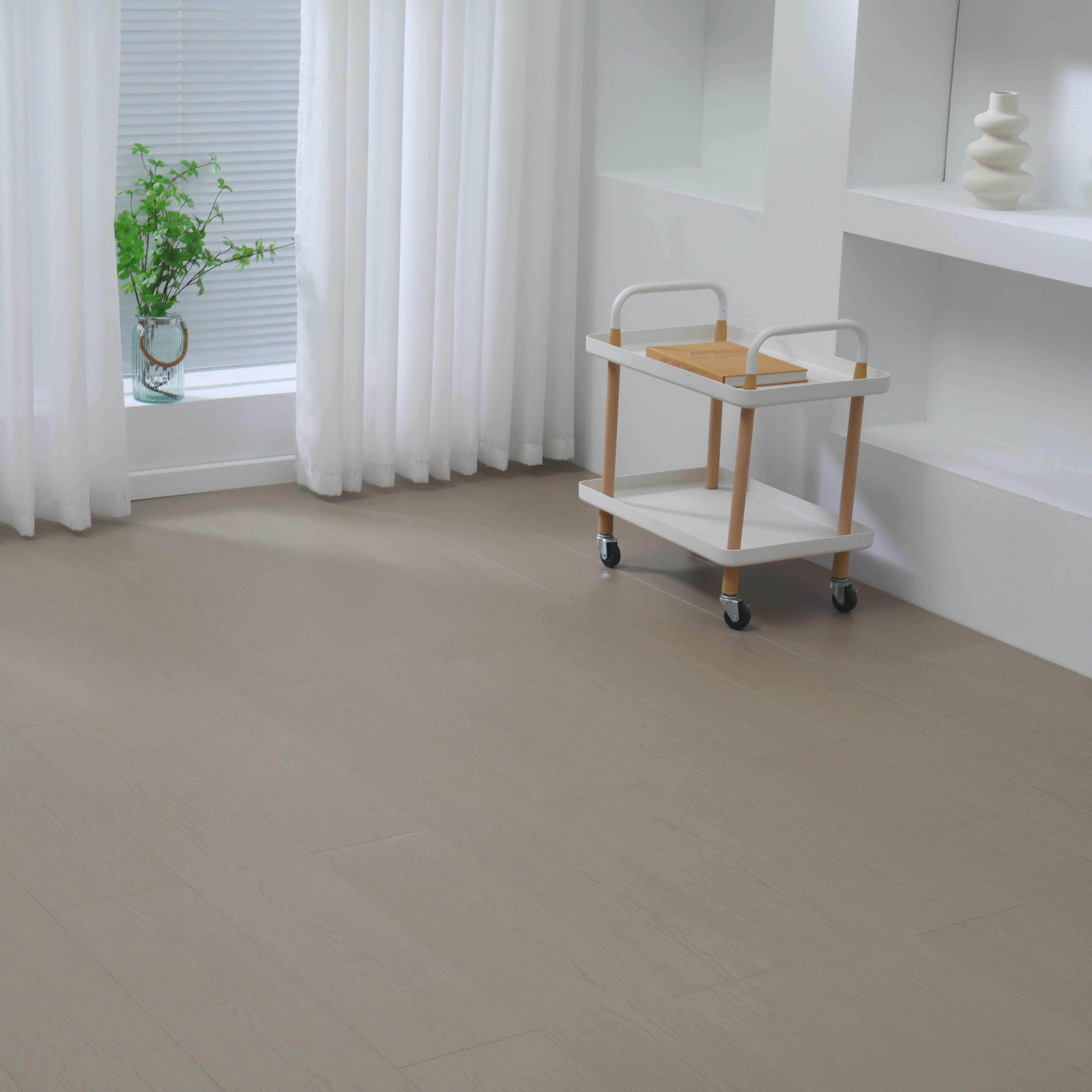
Selecting the right multi-layer floor for industrial environments requires careful consideration of numerous factors that directly impact operational efficiency, safety, and long-term cost-effectiveness. Industrial facilities face unique challenges including heavy machinery loads, chemical exposure, temperature fluctuations, and high foot traffic that demand specialized flooring solutions capable of withstanding these demanding conditions while maintaining performance standards.
The decision-making process for industrial multi-layer floor selection involves evaluating structural requirements, environmental conditions, maintenance considerations, and budget constraints to identify the most suitable solution. Understanding how different multi-layer floor compositions perform under specific industrial conditions enables facility managers to make informed choices that optimize both immediate functionality and long-term durability while ensuring compliance with industry safety standards.
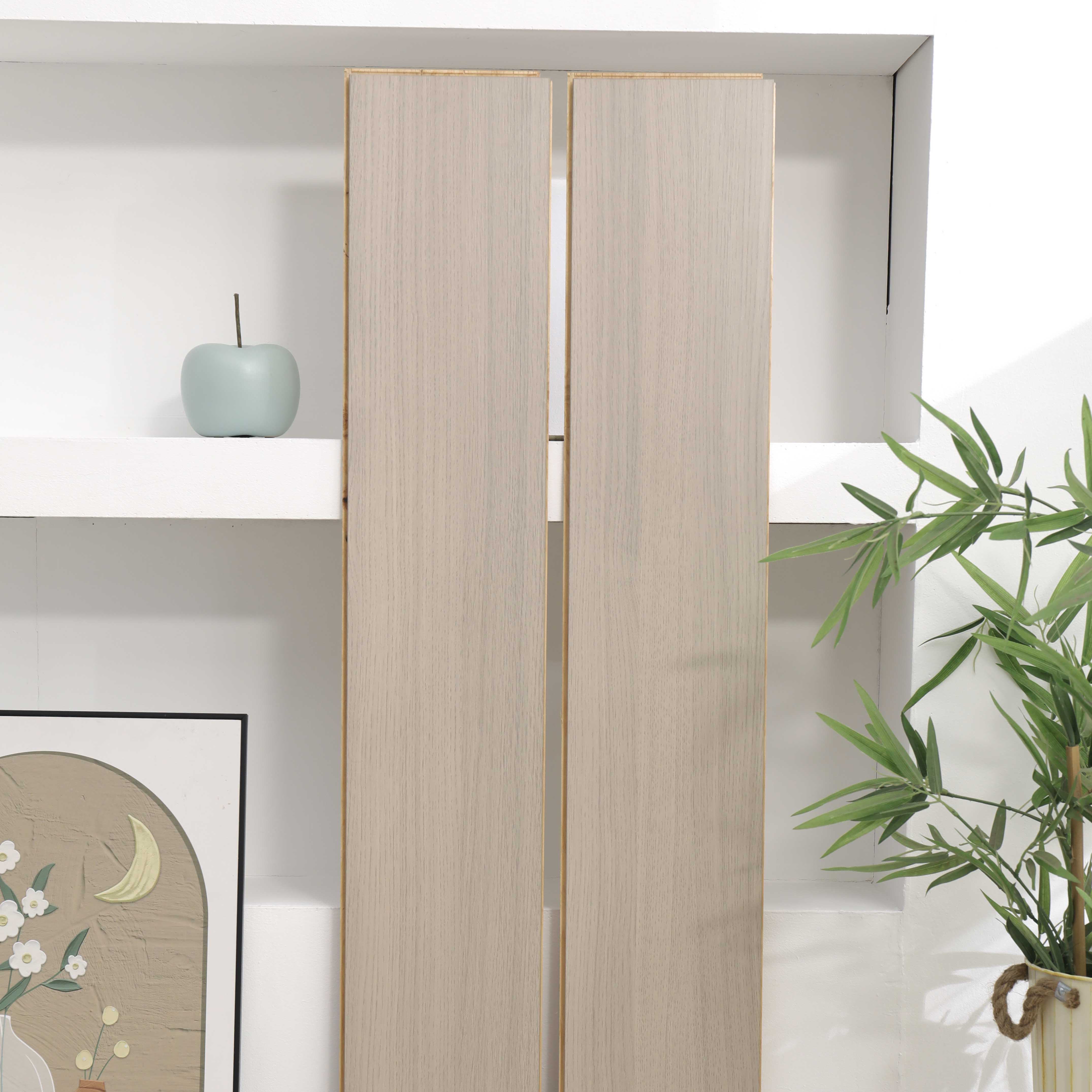
Understanding Multi-Layer Floor Construction for Industrial Use
Core Layer Composition and Performance Characteristics
The foundation of any effective multi-layer floor lies in its core layer composition, which determines the overall structural integrity and load-bearing capacity essential for industrial applications. High-density fiberboard cores provide excellent dimensional stability and moisture resistance, making them suitable for environments where humidity control may be challenging. The core layer thickness directly influences the multi-layer floor's ability to distribute heavy loads across subfloor surfaces, preventing localized stress concentrations that could lead to premature failure.
Advanced multi-layer floor designs incorporate engineered wood cores that combine strength with flexibility, allowing the flooring system to accommodate minor subfloor irregularities without compromising surface flatness. These engineered cores often feature specialized treatments that enhance resistance to moisture, chemicals, and temperature variations commonly encountered in industrial settings. The selection of core materials should align with specific facility requirements, considering factors such as expected load distributions, environmental exposure, and maintenance accessibility.
Surface Layer Technology and Durability Features
The surface layer of industrial multi-layer floor systems incorporates advanced wear-resistant technologies designed to withstand the mechanical stresses associated with heavy equipment operation and frequent material handling activities. Aluminum oxide coatings provide exceptional scratch resistance and maintain surface clarity even under intensive use conditions. These surface treatments create a protective barrier that extends the operational lifespan of the multi-layer floor while reducing maintenance requirements and associated downtime costs.
Multi-layer floor surface technologies also include specialized texturing patterns that enhance slip resistance without compromising cleanability, addressing critical safety concerns in industrial environments. The surface layer's chemical resistance properties protect against common industrial substances including oils, solvents, and cleaning agents that could otherwise cause discoloration or structural degradation. Understanding these surface layer characteristics enables facility managers to select multi-layer floor options that maintain both aesthetic appeal and functional performance throughout their service life.
Evaluating Load Requirements and Structural Considerations
Heavy Equipment Load Distribution Analysis
Industrial facilities must carefully assess the load distribution patterns created by heavy machinery, forklifts, and material handling equipment when selecting appropriate multi-layer floor systems. Point loads generated by equipment outriggers, jack stands, and concentrated wheel loads require flooring with sufficient compressive strength and load distribution capabilities. The multi-layer floor's ability to transfer these loads to the underlying subfloor structure prevents localized deformation and maintains surface flatness critical for equipment operation.
Dynamic loading conditions created by moving equipment present additional challenges that must be considered during multi-layer floor selection. Rolling loads from forklifts and transport vehicles generate both vertical and horizontal forces that test the flooring system's structural integrity and bonding strength. Proper evaluation of these load requirements ensures that the selected multi-layer floor can accommodate operational demands without developing surface defects, edge lifting, or joint separation that could create safety hazards or operational inefficiencies.
Subfloor Compatibility and Installation Requirements
The compatibility between multi-layer floor systems and existing subfloor conditions significantly influences installation success and long-term performance. Concrete subfloors require specific moisture content levels and surface preparation standards to ensure proper adhesion and prevent moisture-related failures. The multi-layer floor installation process must account for concrete curing schedules, surface flatness tolerances, and potential chemical compatibility issues between flooring adhesives and concrete treatments.
Raised access floor systems present unique installation considerations for multi-layer floor applications, requiring specialized fastening methods and load transfer mechanisms. The elevated installation environment may require additional support structures to maintain the multi-layer floor's structural integrity and prevent deflection under load. Understanding these compatibility requirements enables project teams to develop comprehensive installation plans that minimize risk and ensure optimal performance from the selected multi-layer floor system.
Environmental Resistance and Performance Standards
Chemical Resistance and Contamination Protection
Industrial environments expose multi-layer floor systems to various chemical substances that can cause degradation, discoloration, or structural damage if the flooring lacks adequate resistance properties. Hydraulic fluids, lubricating oils, cleaning solvents, and process chemicals create contamination risks that require careful evaluation during product selection. The multi-layer floor's chemical resistance profile must align with the specific substances present in the facility to prevent premature failure and maintain safety standards.
Testing protocols for chemical resistance help facility managers understand how different multi-layer floor options perform when exposed to common industrial contaminants. These evaluations consider both immediate contact effects and long-term exposure scenarios to provide realistic performance expectations. The multi-layer floor systems with enhanced chemical resistance properties often incorporate specialized surface treatments and barrier layers that prevent contamination penetration while maintaining cleanability and appearance standards.
Temperature Stability and Thermal Performance
Temperature variations in industrial facilities can cause dimensional changes in multi-layer floor systems that affect surface flatness, joint integrity, and overall performance. Seasonal temperature swings, localized heating from equipment operation, and process-related thermal exposure create challenging conditions that require flooring materials with excellent dimensional stability. The multi-layer floor's thermal expansion characteristics must be compatible with the facility's temperature range to prevent buckling, gapping, or surface distortion.
Advanced multi-layer floor designs incorporate temperature compensation features that minimize dimensional changes while maintaining structural integrity across expected temperature ranges. These systems often include specialized joint designs, expansion accommodations, and material selections that work together to provide stable performance regardless of thermal conditions. Understanding the relationship between temperature exposure and multi-layer floor performance enables facility managers to select appropriate products and plan for necessary expansion joints or climate control measures.
Maintenance Requirements and Lifecycle Considerations
Cleaning Protocol Compatibility and Maintenance Access
Industrial cleaning requirements often involve aggressive chemicals, high-pressure washing, and mechanical scrubbing that can challenge conventional flooring materials. The selected multi-layer floor must withstand these cleaning protocols without surface damage, adhesion failure, or structural degradation. Compatibility with industrial cleaning equipment, including ride-on scrubbers and steam cleaning systems, ensures that maintenance operations can proceed efficiently without compromising flooring performance.
Maintenance accessibility considerations include the ability to perform localized repairs, replacement of damaged sections, and routine inspection procedures without disrupting facility operations. Multi-layer floor systems with modular designs often provide advantages in maintenance scenarios by allowing targeted interventions rather than large-scale replacement projects. The flooring's resistance to cleaning chemicals, mechanical cleaning equipment, and moisture exposure directly impacts maintenance frequency and associated costs throughout the product lifecycle.
Long-Term Performance and Replacement Planning
Lifecycle cost analysis for industrial multi-layer floor installations must consider initial material costs, installation expenses, ongoing maintenance requirements, and eventual replacement needs. High-quality multi-layer floor systems with superior durability characteristics may justify higher initial investments through reduced maintenance costs and extended service life. The flooring's ability to maintain performance standards under continuous industrial use directly influences replacement timing and associated operational disruptions.
Performance monitoring protocols help facility managers track multi-layer floor condition over time and plan maintenance interventions before critical failure occurs. Visual inspection criteria, wear pattern analysis, and surface quality measurements provide objective data for evaluating flooring performance and planning replacement schedules. Understanding these lifecycle considerations enables facilities to develop comprehensive flooring strategies that optimize both performance and cost-effectiveness while minimizing operational disruptions.
Selection Criteria and Decision Framework
Performance Specification Development
Developing comprehensive performance specifications for multi-layer floor selection requires systematic evaluation of facility-specific requirements, operational constraints, and performance expectations. The specification process should address structural requirements, environmental resistance needs, safety considerations, and maintenance requirements that define acceptable performance standards. Clear specification criteria enable objective comparison of different multi-layer floor options and ensure that selected products meet operational requirements.
Performance specifications should include quantitative criteria for load-bearing capacity, wear resistance, chemical resistance, and dimensional stability to facilitate meaningful product comparisons. The multi-layer floor evaluation process benefits from standardized testing protocols that provide consistent performance data across different manufacturers and product lines. Comprehensive specifications also address installation requirements, quality control procedures, and acceptance criteria that ensure successful project completion.
Vendor Evaluation and Product Validation
The vendor selection process for multi-layer floor projects should evaluate both product characteristics and supplier capabilities to ensure successful project outcomes. Manufacturer experience with similar industrial applications provides valuable insights into product performance expectations and potential installation challenges. Technical support availability, warranty coverage, and service response capabilities contribute to overall project value and long-term satisfaction with the selected multi-layer floor system.
Product validation procedures may include sample testing, reference facility visits, and pilot installation projects that demonstrate multi-layer floor performance under actual operating conditions. These validation activities provide confidence in product selection while identifying any installation or performance issues before full-scale implementation. The evaluation process should also consider product availability, lead times, and supply chain reliability to ensure project schedule compliance and avoid costly delays.
FAQ
What load capacity should I expect from industrial multi-layer floor systems?
Industrial multi-layer floor systems typically support concentrated loads ranging from 250 to 500 pounds per square inch depending on the specific product design and subfloor conditions. Heavy-duty applications may require specialized multi-layer floor products with enhanced load distribution capabilities and reinforced construction to handle equipment loads exceeding these standard capacities.
How do I determine if my existing subfloor is suitable for multi-layer floor installation?
Subfloor evaluation should assess surface flatness within 1/8 inch over 10 feet, moisture content below manufacturer specifications, and structural integrity adequate for expected loads. Professional subfloor inspection and testing services can provide detailed assessments to determine multi-layer floor compatibility and identify any necessary preparation work before installation.
What maintenance procedures are required to maximize multi-layer floor service life?
Regular maintenance for industrial multi-layer floor installations includes daily cleaning with appropriate chemicals, periodic deep cleaning, prompt cleanup of spills, and routine inspection for damage or wear patterns. Following manufacturer-recommended maintenance protocols typically extends multi-layer floor service life while maintaining safety and appearance standards throughout the operational period.
Can multi-layer floor systems be installed over existing flooring materials?
Multi-layer floor installation over existing materials depends on the condition, type, and bonding characteristics of the current flooring system. Well-bonded existing floors may provide suitable substrates, while loose, damaged, or incompatible materials typically require removal to ensure proper multi-layer floor installation and long-term performance.
Table of Contents
- Understanding Multi-Layer Floor Construction for Industrial Use
- Evaluating Load Requirements and Structural Considerations
- Environmental Resistance and Performance Standards
- Maintenance Requirements and Lifecycle Considerations
- Selection Criteria and Decision Framework
-
FAQ
- What load capacity should I expect from industrial multi-layer floor systems?
- How do I determine if my existing subfloor is suitable for multi-layer floor installation?
- What maintenance procedures are required to maximize multi-layer floor service life?
- Can multi-layer floor systems be installed over existing flooring materials?