 EN
EN


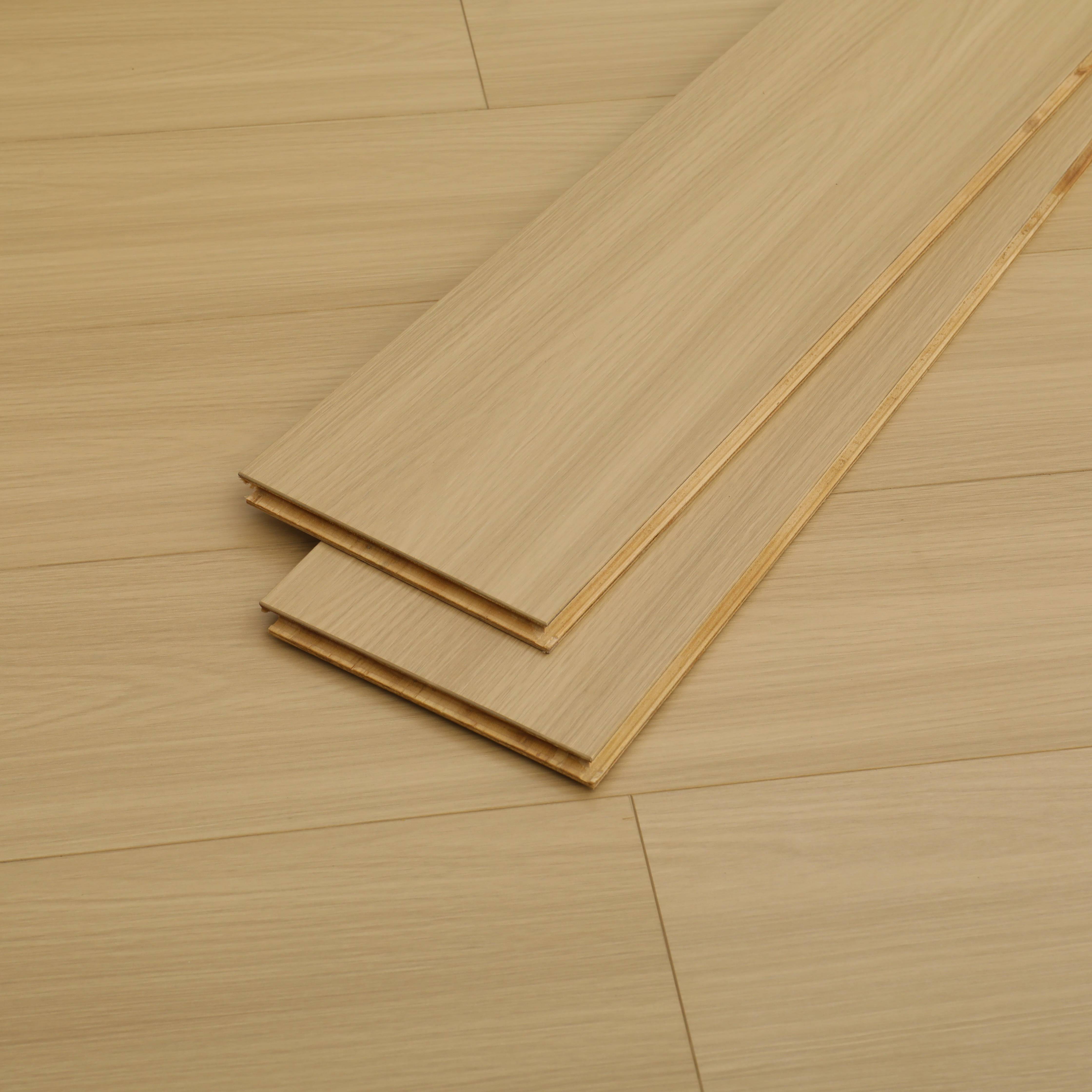
Large-scale construction and renovation projects demand flooring solutions that can deliver exceptional performance across vast areas while maintaining cost efficiency and installation practicality. Multi-layer floor systems have emerged as the preferred choice for architects, contractors, and project managers who need to balance durability, aesthetics, and budget considerations across extensive commercial, residential, and industrial developments. Understanding why this flooring technology consistently outperforms traditional alternatives in large-scale applications reveals critical advantages that directly impact project success.
The superiority of multi-layer floor systems in large-scale projects stems from their engineered construction that addresses the specific challenges inherent in expansive installations. Unlike single-layer flooring materials that can exhibit inconsistent performance across large areas, multi-layer floor technology provides uniform structural integrity, moisture resistance, and dimensional stability that remains consistent whether covering 1,000 square feet or 100,000 square feet. This reliability becomes crucial when project timelines, budgets, and quality standards cannot accommodate the variability and maintenance issues commonly associated with traditional flooring materials.
Enhanced Structural Performance Across Large Areas
Superior Load Distribution and Stability
Multi-layer floor systems excel in large-scale projects because their engineered construction creates superior load distribution characteristics that become increasingly important as installation areas expand. The cross-grain layering technique used in quality multi-layer floor products counteracts natural wood movement, creating a stable platform that maintains consistent performance even under varying environmental conditions and heavy traffic loads. This structural advantage becomes particularly evident in commercial spaces, warehouses, and large residential developments where traditional solid wood flooring might experience warping, cupping, or gaps across extensive installations.
The dimensional stability of multi-layer floor systems reduces the risk of costly callbacks and repairs that frequently plague large-scale projects using conventional flooring materials. Project managers consistently report fewer installation issues, reduced waste during installation, and significantly lower long-term maintenance requirements when specifying multi-layer floor products for expansive applications. This stability translates directly into project cost savings and timeline adherence that becomes increasingly valuable as project scale increases.
Consistent Performance Under Environmental Variations
Large-scale projects often span multiple climate zones within a single building or complex, creating environmental variations that challenge traditional flooring materials. Multi-layer floor construction addresses these challenges through its engineered core structure that responds predictably to temperature and humidity fluctuations. The balanced construction of quality multi-layer floor systems ensures that expansion and contraction occur uniformly, preventing the buckling, gapping, and surface irregularities that frequently occur in large installations using less sophisticated flooring technologies.
The moisture resistance inherent in properly engineered multi-layer floor systems provides additional protection against the environmental challenges common in large-scale construction. During the extended construction periods typical of major projects, flooring materials must withstand exposure to construction moisture, temporary climate control systems, and varying humidity levels. Multi-layer floor products demonstrate superior resilience during these challenging conditions, maintaining their structural integrity and surface quality throughout the construction process.
Cost Efficiency and Installation Advantages
Reduced Installation Time and Labor Costs
The installation efficiency of multi-layer floor systems becomes exponentially more valuable as project scale increases, delivering significant cost advantages that directly impact overall project economics. The engineered construction of modern multi-layer floor products allows for faster installation rates compared to traditional solid wood flooring, with experienced installation crews consistently reporting productivity improvements of 30-40% on large-scale projects. This efficiency gain results from the dimensional stability and consistent quality of multi-layer floor products, which reduces the time required for material sorting, acclimation, and installation adjustments.
Labor cost savings become particularly significant in large-scale projects where installation crew wages represent a substantial portion of the total flooring investment. The reduced installation complexity of multi-layer floor systems allows contractors to utilize less specialized labor while maintaining high-quality results, further enhancing project cost efficiency. Additionally, the reduced waste generation typical of multi-layer floor installations minimizes disposal costs and material overages that can significantly impact large-project budgets.
Material Cost Optimization and Waste Reduction
Multi-layer floor systems deliver superior material utilization rates in large-scale applications, reducing both initial material costs and waste disposal expenses. The consistent dimensions and quality of engineered multi-layer floor products minimize the material waste common in traditional flooring installations, where natural variations in solid wood products can result in significant waste percentages. Project managers report waste reductions of 15-25% when using quality multi-layer floor systems compared to solid wood alternatives in large-scale installations.
The ability to achieve consistent visual results across large areas using multi-layer floor products reduces the need for extensive material grading and sorting that adds both time and cost to traditional flooring installations. This consistency advantage becomes increasingly valuable in large commercial spaces, hospitality projects, and residential developments where visual uniformity across expansive areas is essential for achieving design objectives.
Long-Term Performance and Maintenance Benefits
Durability Under Heavy Traffic Conditions
Large-scale projects typically involve high-traffic applications where flooring durability directly impacts long-term operating costs and user satisfaction. Multi-layer floor systems demonstrate superior wear resistance compared to traditional flooring materials, maintaining their appearance and structural integrity under the demanding conditions common in commercial, institutional, and high-density residential applications. The engineered surface construction of quality multi-layer floor products provides enhanced resistance to scratching, denting, and surface wear that becomes increasingly important as traffic volume increases.
The dimensional stability of multi-layer floor systems prevents the joint separation and surface irregularities that frequently develop in large solid wood installations under heavy traffic conditions. This stability advantage reduces trip hazards, minimizes dirt accumulation in gaps, and maintains the professional appearance essential in commercial and institutional environments. Facility managers consistently report lower maintenance costs and extended service life when multi-layer floor systems are properly specified for high-traffic large-scale applications.
Simplified Maintenance and Lifecycle Cost Advantages
The maintenance advantages of multi-layer floor systems become increasingly significant in large-scale applications where cleaning and maintenance operations must be efficient and cost-effective. The sealed surface construction typical of quality multi-layer floor products resists moisture penetration and staining, reducing the intensive maintenance requirements common with traditional wood flooring in large commercial and residential applications. This resistance to environmental damage translates into lower maintenance labor costs and extended intervals between major refinishing operations.
Lifecycle cost analysis consistently favors multi-layer floor systems in large-scale applications, where the reduced maintenance requirements, extended service life, and lower repair frequency deliver substantial cost advantages over the building's operational lifetime. The ability to perform localized repairs and replacements without affecting surrounding areas provides additional cost benefits that become increasingly valuable in large installations where partial replacements using traditional materials often result in visible color and texture variations.
Design Flexibility and Aesthetic Consistency
Visual Uniformity Across Extensive Areas
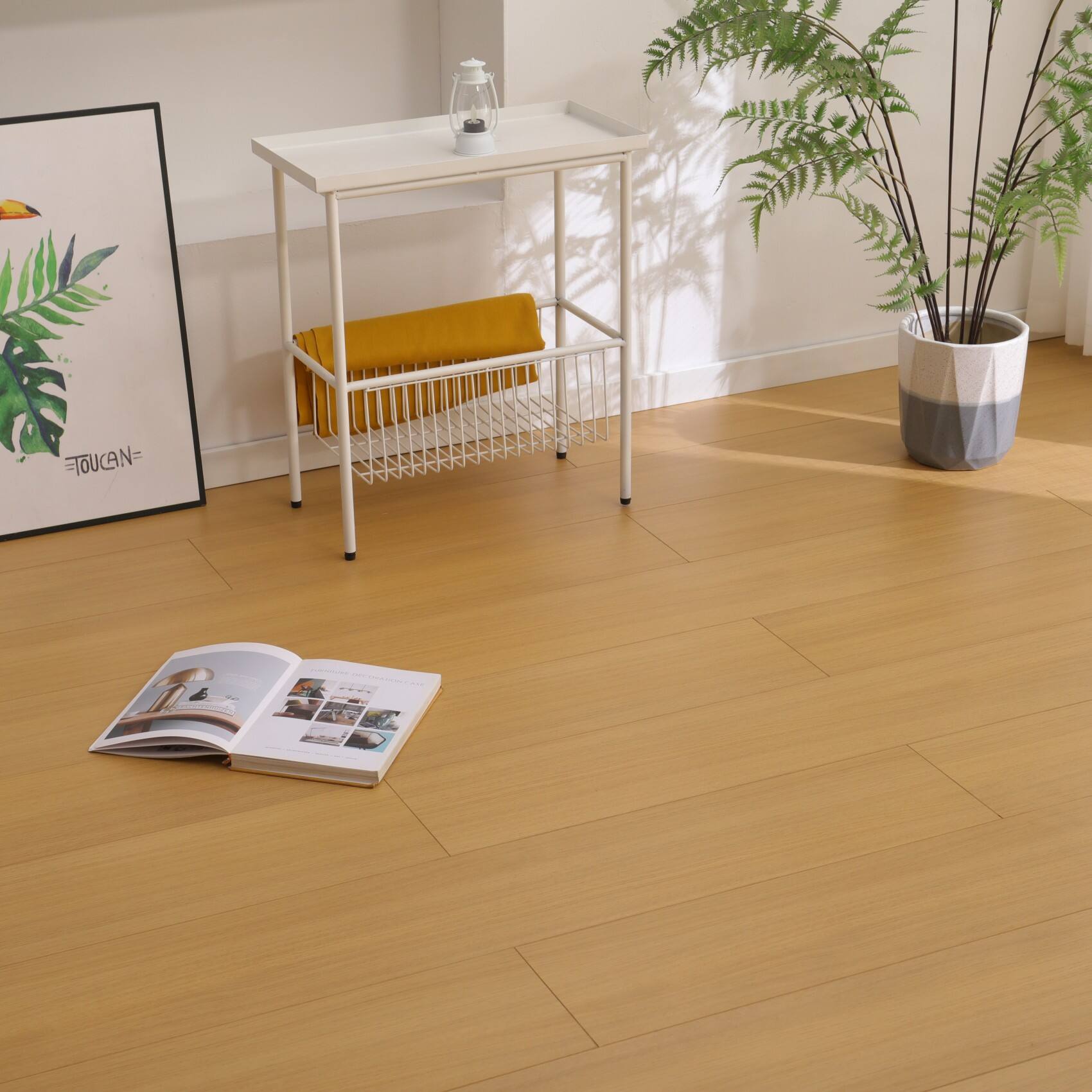
Achieving visual consistency across large flooring installations presents significant challenges when using traditional materials with natural variations in color, grain, and texture. Multi-layer floor systems address this challenge through manufacturing processes that provide greater control over appearance characteristics while maintaining the natural beauty of wood surfaces. The ability to specify consistent color matching and grain patterns across thousands of square feet makes multi-layer floor products particularly valuable in commercial spaces, hospitality applications, and large residential projects where visual continuity is essential.
The manufacturing consistency of multi-layer floor systems eliminates the extensive material sorting and planning required to achieve acceptable visual results in large solid wood installations. This consistency advantage reduces both installation time and material waste while ensuring that the finished installation meets design expectations across the entire project area. Architects and designers increasingly specify multi-layer floor systems for large-scale projects specifically because of this ability to deliver predictable aesthetic results.
Adaptability to Complex Installation Requirements
Large-scale projects often involve complex architectural features, multiple room configurations, and varying subfloor conditions that challenge conventional flooring materials. Multi-layer floor systems provide enhanced adaptability to these challenging installation conditions through their engineered construction and installation flexibility. The dimensional stability of multi-layer floor products allows for successful installation over larger areas without expansion joints, creating cleaner sight lines and reduced installation complexity in open commercial spaces and large residential areas.
The ability of multi-layer floor systems to accommodate minor subfloor irregularities and varying environmental conditions makes them particularly suitable for renovation projects and adaptive reuse applications common in large-scale development. This adaptability reduces the subfloor preparation costs that can represent a significant expense in large traditional flooring installations, while ensuring consistent performance across varying substrate conditions.
FAQ
What makes multi-layer floor more cost-effective than solid wood in large projects?
Multi-layer floor systems deliver cost advantages through faster installation times, reduced material waste, lower subfloor preparation requirements, and decreased long-term maintenance needs. The dimensional stability and consistent quality reduce installation labor by 30-40% while eliminating the material waste and sorting time common with solid wood installations, making them particularly cost-effective as project scale increases.
How does multi-layer floor handle the environmental challenges in large buildings?
The engineered construction of multi-layer floor systems provides superior resistance to temperature and humidity variations common in large buildings. The cross-grain layering technique prevents the warping, cupping, and gapping that frequently occurs in large solid wood installations, while moisture-resistant construction protects against construction-phase moisture exposure and long-term environmental fluctuations.
Can multi-layer floor maintain consistent appearance across very large areas?
Yes, multi-layer floor systems excel at providing visual consistency across extensive installations. Manufacturing processes allow for better control over color, grain, and texture variations compared to natural solid wood, eliminating the extensive sorting and planning required to achieve acceptable visual results in large traditional wood installations while maintaining natural wood aesthetics.
What are the long-term durability advantages of multi-layer floor in high-traffic applications?
Multi-layer floor systems demonstrate superior wear resistance and dimensional stability under heavy traffic conditions, maintaining their appearance and structural integrity longer than traditional materials. The engineered surface construction resists scratching and denting, while the stable core prevents joint separation and surface irregularities that commonly develop in large solid wood installations, resulting in lower maintenance costs and extended service life.
Table of Contents
- Enhanced Structural Performance Across Large Areas
- Cost Efficiency and Installation Advantages
- Long-Term Performance and Maintenance Benefits
- Design Flexibility and Aesthetic Consistency
-
FAQ
- What makes multi-layer floor more cost-effective than solid wood in large projects?
- How does multi-layer floor handle the environmental challenges in large buildings?
- Can multi-layer floor maintain consistent appearance across very large areas?
- What are the long-term durability advantages of multi-layer floor in high-traffic applications?