 EN
EN


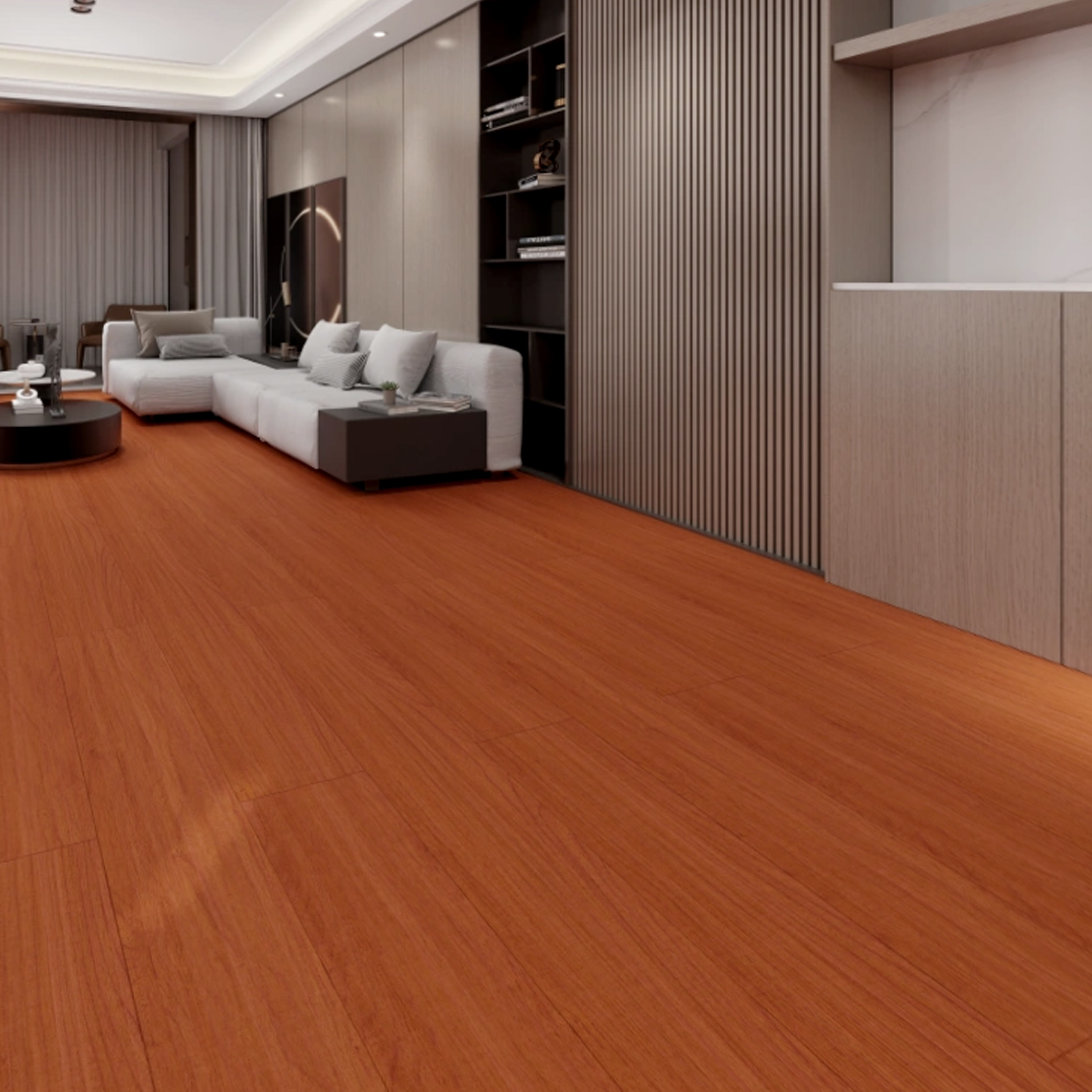
Modern businesses are increasingly prioritizing sustainability in their operational decisions, and flooring choices represent a significant opportunity to reduce environmental impact. Glue-free flooring has emerged as a revolutionary solution that combines environmental responsibility with practical benefits for commercial spaces. This innovative flooring technology eliminates the need for adhesives during installation, reducing volatile organic compound emissions and creating healthier indoor environments for employees and customers alike.
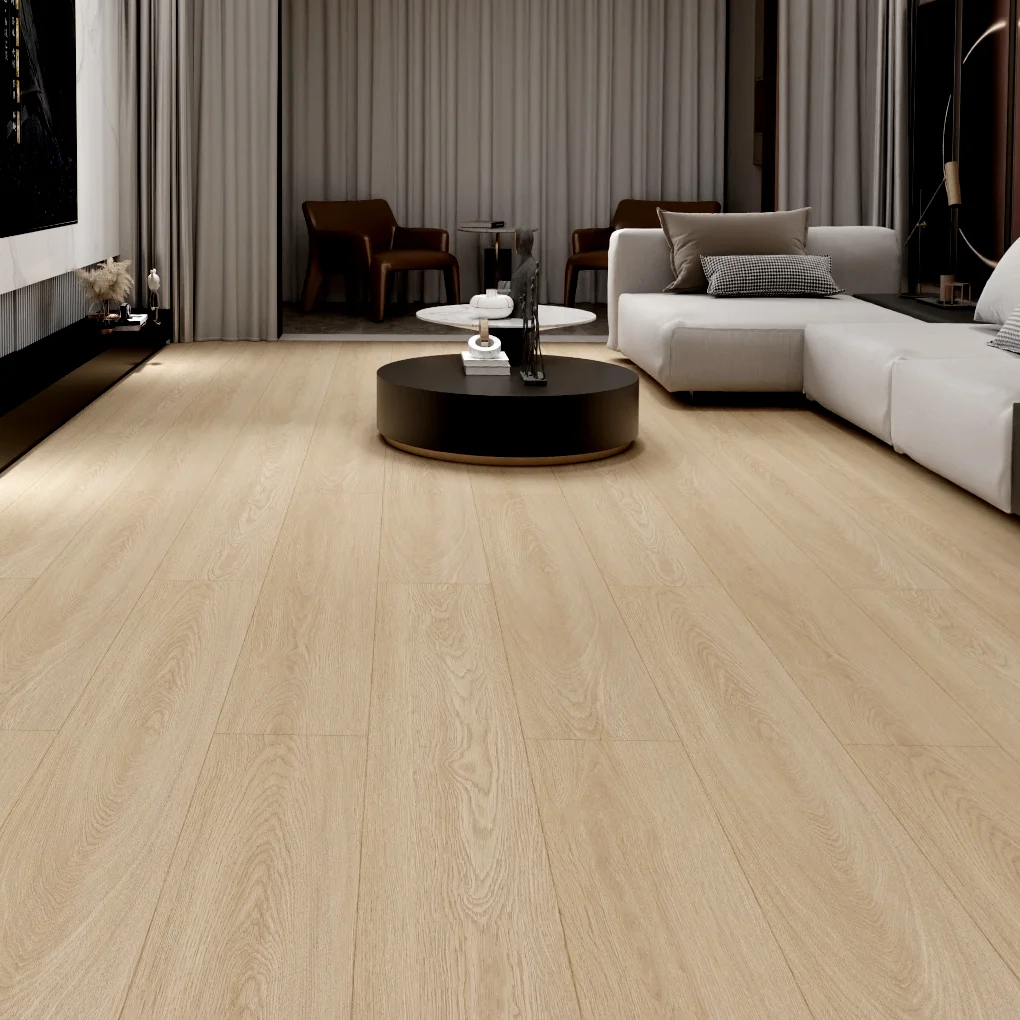
The shift toward sustainable building materials has gained tremendous momentum as organizations recognize the long-term benefits of environmentally conscious choices. Glue-free flooring systems offer businesses a practical pathway to achieve sustainability goals while maintaining aesthetic appeal and functionality. These advanced flooring solutions utilize mechanical locking systems that create secure, durable installations without relying on chemical adhesives that can compromise indoor air quality.
Traditional flooring installation methods often require extensive use of adhesives containing harmful chemicals that continue to off-gas for months or even years after installation. In contrast, glue-free flooring systems provide immediate occupancy benefits and contribute to healthier work environments. The elimination of adhesives also simplifies future renovation projects, as flooring can be removed and potentially reused without damaging the subfloor or creating hazardous waste.
Environmental Benefits of Adhesive-Free Installation
Reduced Chemical Emissions
One of the most significant advantages of glue-free flooring lies in its ability to minimize indoor air pollution. Traditional adhesives contain formaldehyde, toluene, and other volatile organic compounds that can negatively impact employee health and productivity. By eliminating these chemicals from the installation process, businesses create safer work environments that support employee wellbeing and reduce potential liability concerns related to indoor air quality.
The absence of adhesive emissions allows for immediate occupancy of newly installed spaces, eliminating the need for extended ventilation periods or temporary relocation of staff. This immediate usability translates to reduced business disruption and lower project costs, making glue-free flooring an economically attractive option for time-sensitive commercial renovations.
Sustainable Material Lifecycle
Glue-free flooring systems are designed with end-of-life considerations in mind, supporting circular economy principles that many businesses are adopting as part of their sustainability initiatives. The mechanical locking mechanisms allow for complete disassembly without material degradation, enabling flooring components to be reused in future projects or properly recycled at the end of their useful life.
This reversible installation approach significantly reduces construction waste compared to traditional glued installations, which typically require complete disposal when flooring is replaced. The ability to disassemble and reuse flooring materials aligns with LEED certification requirements and supports businesses in achieving green building standards that are increasingly important to stakeholders and customers.
Installation Efficiency and Cost Considerations
Labor and Time Savings
The installation process for glue-free flooring requires significantly less labor time compared to traditional methods, as installers do not need to apply adhesives, wait for curing times, or manage adhesive cleanup. This efficiency reduces labor costs and minimizes disruption to business operations, particularly valuable in retail or office environments where downtime directly impacts revenue.
Professional installers can complete glue-free flooring projects in substantially less time, often allowing businesses to resume normal operations within hours rather than days. The elimination of adhesive drying time means that furniture can be immediately placed on the new flooring, reducing the need for temporary storage or workspace arrangements.
Long-term Maintenance Advantages
Maintenance requirements for glue-free flooring systems are typically lower than traditional installations, as the mechanical locking systems provide consistent performance without the degradation issues associated with aging adhesives. Individual planks or tiles can be easily replaced if damaged, eliminating the need for extensive repairs that disrupt surrounding flooring areas.
The modular nature of glue-free flooring allows facility managers to address wear patterns or damage in high-traffic areas without replacing entire floor sections. This targeted maintenance approach reduces long-term costs and minimizes business disruption, making it an attractive option for commercial facilities with demanding operational requirements.
Health and Safety Benefits for Commercial Spaces
Indoor Air Quality Improvements
The elimination of adhesive chemicals from flooring installations contributes significantly to improved indoor air quality, which directly impacts employee health, comfort, and productivity. Studies have consistently shown that poor indoor air quality can lead to decreased cognitive function, increased sick days, and reduced overall workplace satisfaction.
Glue-free flooring systems support healthier work environments by eliminating ongoing chemical off-gassing that can trigger respiratory issues, headaches, and other health concerns. This improvement in air quality is particularly important in enclosed commercial spaces where proper ventilation may be challenging to maintain consistently throughout all seasons.
Occupational Safety During Installation
Installation teams working with glue-free flooring face reduced exposure to hazardous chemicals, improving workplace safety for construction professionals. The absence of adhesives eliminates risks associated with skin contact, inhalation, and accidental spills that can occur during traditional flooring installations.
This improved safety profile reduces insurance costs and liability concerns for businesses undertaking flooring projects. Additionally, the cleaner installation process reduces the need for extensive protective equipment and ventilation systems, streamlining project logistics and reducing overall installation costs.
Performance Characteristics and Durability
Structural Integrity and Stability
Modern glue-free flooring systems utilize sophisticated mechanical locking mechanisms that provide excellent structural integrity and long-term stability. These systems are engineered to withstand heavy commercial traffic while maintaining their appearance and performance characteristics over extended periods.
The floating installation method used with glue-free flooring allows for natural expansion and contraction with temperature and humidity changes, reducing the risk of buckling or separation that can occur with rigidly adhered flooring systems. This flexibility contributes to longer service life and reduced maintenance requirements in commercial environments.
Versatility Across Commercial Applications
Glue-free flooring solutions are available in numerous formats, including luxury vinyl planks, engineered hardwood, and laminate options, providing businesses with aesthetic flexibility without compromising sustainability goals. These products can successfully replicate the appearance of natural materials while offering superior performance characteristics for demanding commercial applications.
The versatility of glue-free flooring makes it suitable for diverse commercial environments, from corporate offices and retail spaces to healthcare facilities and educational institutions. Each application benefits from the improved indoor air quality, installation efficiency, and long-term durability that characterize these advanced flooring systems.
Industry Trends and Market Adoption
Growing Demand for Sustainable Solutions
Market research indicates increasing demand for sustainable building materials as businesses recognize the correlation between environmental responsibility and brand reputation. Consumers and employees are increasingly aware of sustainability practices, making environmentally conscious choices important for competitive advantage and talent retention.
The adoption of glue-free flooring aligns with broader sustainability trends, including LEED certification pursuits, corporate social responsibility initiatives, and regulatory compliance requirements. These market forces are driving innovation in flooring technology and expanding the availability of high-performance, environmentally responsible options.
Technology Advancements in Mechanical Systems
Continuous improvements in mechanical locking systems have enhanced the performance and reliability of glue-free flooring solutions. Advanced engineering has produced locking mechanisms that provide superior holding strength while remaining easy to install and disassemble when necessary.
These technological advancements have expanded the applications where glue-free flooring can be successfully utilized, including high-traffic commercial environments that previously required adhesive installations for adequate performance. The ongoing development of these systems continues to improve their sustainability profile and commercial viability.
Implementation Strategies for Businesses
Project Planning and Specification
Successful implementation of glue-free flooring requires careful planning and specification to ensure optimal performance in specific commercial applications. Businesses should work with experienced flooring professionals to evaluate subfloor conditions, traffic patterns, and environmental factors that influence product selection and installation requirements.
Proper specification of glue-free flooring systems includes consideration of acoustic requirements, moisture conditions, and maintenance protocols that will support long-term performance. These planning considerations ensure that the sustainability benefits of glue-free flooring are maximized while meeting operational requirements.
Cost-Benefit Analysis and ROI
While initial material costs for glue-free flooring may be comparable to traditional systems, the total cost of ownership is often lower due to reduced installation time, improved indoor air quality, and enhanced end-of-life value. Businesses should consider these factors when evaluating flooring options as part of comprehensive sustainability initiatives.
The return on investment for glue-free flooring includes both quantifiable benefits such as reduced installation costs and qualitative advantages like improved employee satisfaction and brand reputation. These combined benefits often justify the selection of glue-free flooring systems even when initial costs are slightly higher than traditional alternatives.
FAQ
How does glue-free flooring compare to traditional installation methods in terms of durability
Glue-free flooring systems are engineered to provide comparable or superior durability to traditional adhesive installations. The mechanical locking systems distribute loads effectively across the floor structure, while the floating installation method allows for natural movement that reduces stress concentrations. Modern glue-free flooring products are specifically designed for commercial applications and undergo rigorous testing to ensure long-term performance in demanding environments.
What types of commercial spaces are best suited for glue-free flooring installations
Glue-free flooring is suitable for most commercial applications, including offices, retail spaces, healthcare facilities, and educational institutions. The technology is particularly beneficial in environments where indoor air quality is a priority, such as schools and medical facilities. Spaces that require frequent reconfiguration or have strict sustainability requirements also benefit significantly from the flexibility and environmental advantages of glue-free flooring systems.
Are there any limitations or considerations when choosing glue-free flooring for business applications
While glue-free flooring offers numerous advantages, proper subfloor preparation and environmental conditions are crucial for optimal performance. Some extreme moisture conditions may require special consideration, and certain heavy equipment installations might need additional support systems. Working with experienced flooring professionals ensures that any specific requirements or limitations are properly addressed during the planning and specification process.
How does the maintenance of glue-free flooring differ from traditional flooring systems
Maintenance of glue-free flooring is typically simpler and more cost-effective than traditional systems. Individual damaged planks or tiles can be easily replaced without affecting surrounding areas, reducing repair costs and downtime. The absence of adhesives eliminates issues related to adhesive failure or degradation, resulting in more predictable maintenance schedules and lower long-term costs for facility management teams.
Table of Contents
- Environmental Benefits of Adhesive-Free Installation
- Installation Efficiency and Cost Considerations
- Health and Safety Benefits for Commercial Spaces
- Performance Characteristics and Durability
- Industry Trends and Market Adoption
- Implementation Strategies for Businesses
-
FAQ
- How does glue-free flooring compare to traditional installation methods in terms of durability
- What types of commercial spaces are best suited for glue-free flooring installations
- Are there any limitations or considerations when choosing glue-free flooring for business applications
- How does the maintenance of glue-free flooring differ from traditional flooring systems