 EN
EN


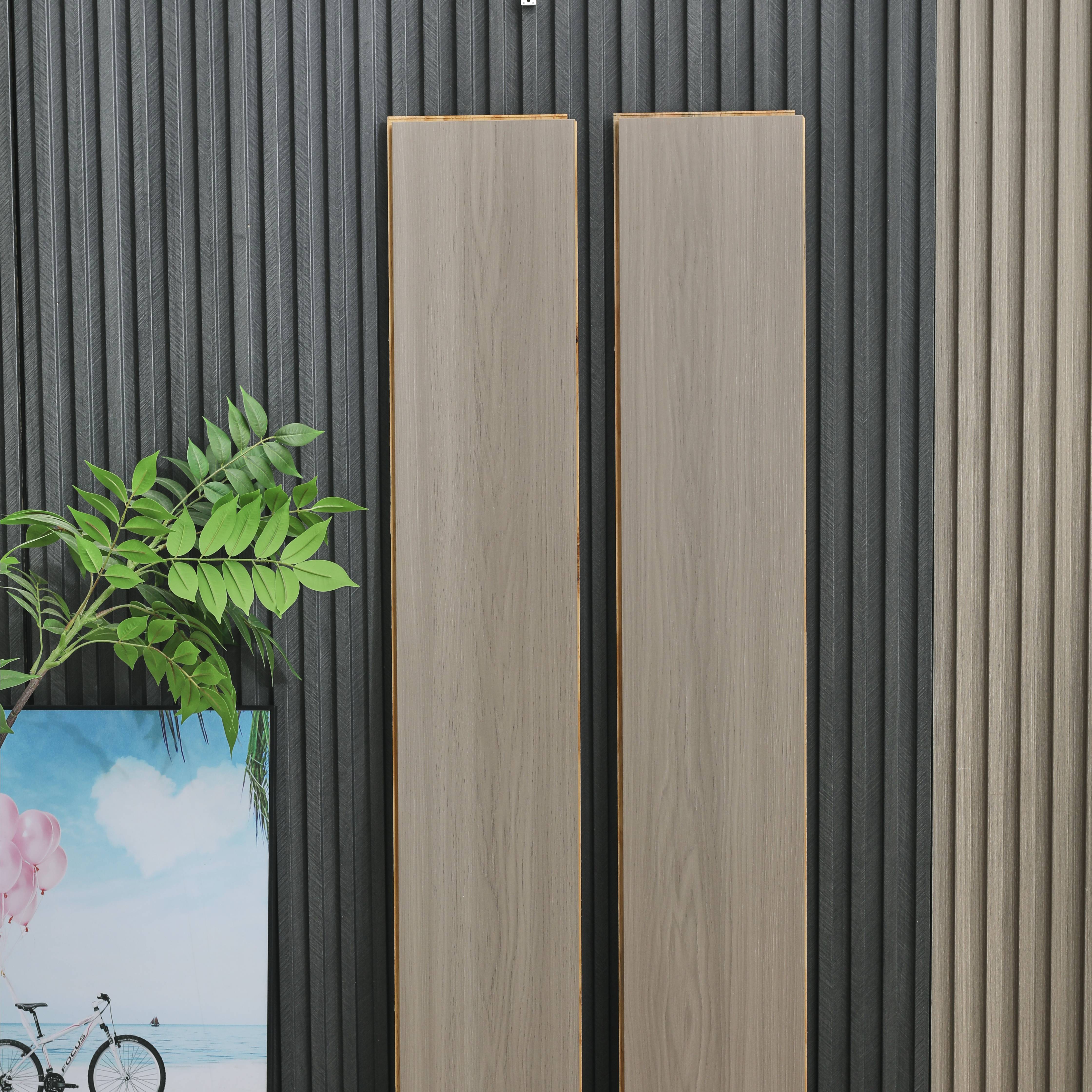
A quiet workspace is not just a design preference; it is a performance variable that changes how people think, communicate, and sustain focus. In modern offices, call areas, and mixed-use industrial admin spaces, background impact noise from footsteps, chair movement, and rolling carts accumulates into constant distraction. A silent floor addresses that root problem at the surface where noise starts, reducing interruption at source instead of trying to mask it later with white noise or stricter behavior rules. For decision-makers, the value of a silent floor becomes clear when comfort and productivity are measured together rather than treated as separate goals.
The reason a silent floor improves workplace outcomes is practical: people can concentrate longer, recover faster from interruptions, and interact with less stress during the workday. A silent floor also supports consistent movement across departments, which matters in facilities where teams share open layouts, corridors, and transitional work zones. When managers invest in a silent floor, they are improving the acoustic foundation of daily operations, and that directly influences perceived comfort, cognitive endurance, and output quality over time.

Acoustic Stability Creates Better Working Conditions
Impact noise reduction at the source
Most workplace noise control plans focus on walls, ceilings, or meeting room partitions, but the largest repetitive sound events often begin underfoot. A silent floor dampens step impact and vibration transfer before noise spreads through the room envelope. That means fewer sharp sound spikes from heels, shifting furniture, and routine traffic between desks. With a silent floor in place, the acoustic environment feels calmer even during busy hours.
This reduction is meaningful because unpredictable noise costs attention. Employees do not lose focus only during loud events; they lose focus anticipating the next one. A silent floor lowers that anticipation stress by making ambient sound patterns more stable. As a result, teams can maintain a smoother work rhythm and spend less mental energy filtering out environmental disturbances.
Lower distraction load in open and hybrid layouts
Open offices and hybrid collaboration zones depend on visual and acoustic balance. Without a silent floor, every movement event travels quickly and competes with speech, video calls, and individual tasks. A silent floor helps separate mobility from disruption, so circulation paths can stay active without degrading nearby concentration areas. This improves coexistence between collaborative and focused work modes.
In hybrid attendance models, occupancy shifts by day and hour, which makes noise less predictable. A silent floor brings consistency despite those fluctuations. Instead of redesigning behavior protocols every quarter, facility teams can rely on passive acoustic control that works continuously. That is one reason many planners treat silent floor strategy as a baseline element, not a cosmetic upgrade.
Workplace Comfort Improves Through Physical and Mental Relief
Perceived comfort rises when movement feels softer
Comfort in workplaces is multisensory, and flooring affects more than sound. A silent floor often provides a more controlled underfoot feel that reduces harsh feedback during long walking cycles across large interiors. Employees notice this during routine movement between workstations, meeting rooms, and support areas. Over a full day, that subtle relief contributes to a stronger sense of physical ease.
When physical micro-stress decreases, tolerance for cognitive work improves. A silent floor supports this by reducing both impact sensation and accompanying acoustic irritation. The result is a workplace that feels less fatiguing even when workload remains high. In B2B environments where retention and attendance matter, that comfort signal has strategic value.
Psychological calm supports sustained concentration
People interpret constant noise as operational disorder, even when processes are technically on schedule. A silent floor changes that perception by creating a calmer baseline that feels intentional and controlled. Teams in quieter environments report fewer abrupt concentration breaks during analytical tasks and documentation work. This is why a silent floor is directly linked to knowledge-work efficiency, not just facility aesthetics.
Psychological calm also improves communication behavior. When floor-generated noise drops, people speak at more natural volumes and experience less conversational strain. A silent floor therefore improves both solo and shared work conditions in the same space. That dual benefit is difficult to achieve through policy alone, which makes material-level intervention more reliable.
Productivity Gains Come From Fewer Interruptions and Faster Recovery
Task continuity and error reduction
Productivity is not only speed; it is continuity plus quality. A silent floor supports continuity by reducing micro-interruptions caused by repeated impact sounds in circulation zones. Even brief interruptions can fragment complex tasks such as planning, estimation, reporting, and design review. With a silent floor, employees can hold context longer and make fewer avoidable mistakes.
Error prevention matters financially because rework costs often exceed visible labor time. A silent floor helps protect the attention required for first-pass accuracy. Teams spend less time regaining mental context after each disruption, which improves cycle efficiency across departments. This is one of the clearest operational reasons leaders prioritize silent floor performance in workplace upgrades.
Meeting quality and collaboration efficiency
Meetings suffer when adjacent movement noise bleeds into discussion spaces. A silent floor reduces side-channel noise, making in-room and remote communication clearer. Participants do not need to repeat points as often, and call recordings are easier to review. That improves decision speed and lowers friction in cross-functional workflows.
For organizations managing mixed-use premises, the same silent floor can support office, reception, and light administrative zones with consistent acoustic behavior. This prevents productivity gaps between departments based on location alone. Teams can collaborate without feeling that environmental noise is working against them. The practical result is better meeting outcomes and stronger execution follow-through.
When evaluating options, many buyers review material stability and wear resistance alongside acoustic impact, and a well-specified silent floor can align those requirements in one system. That alignment simplifies procurement conversations between facility, operations, and finance teams.
Long-Term Business Value Extends Beyond Immediate Noise Control
Operational consistency and space flexibility
Workplaces change function over time, so infrastructure should support adaptation. A silent floor helps preserve acoustic comfort as layouts evolve from fixed seating to flexible zones or project-based neighborhoods. Because control happens at the surface layer, the benefit stays relevant across many reconfiguration scenarios. This gives decision-makers more freedom when organizational structures shift.
Operational consistency is especially important in environments with frequent visitor movement or internal circulation peaks. A silent floor maintains predictable acoustic behavior during normal and high-traffic periods. That predictability improves employee experience and reduces the need for reactive fixes. Over time, a silent floor becomes part of a resilient workplace standard rather than a one-time adjustment.
Maintenance practicality and lifecycle thinking
Comfort investments are strongest when they remain practical to maintain. A silent floor strategy should consider not only initial installation but also cleaning routines, surface durability, and long-term stability under daily load. When these factors are aligned, acoustic benefits remain consistent rather than fading after early use. This protects the original business case tied to comfort and productivity.
Lifecycle thinking also improves budgeting clarity. Instead of separating acoustic treatment, comfort initiatives, and floor renewal into different projects, organizations can evaluate silent floor performance as a single operational asset. That integrated approach supports clearer ROI narratives for leadership teams. In many B2B settings, this is the difference between delayed approval and timely implementation.
FAQ
Why is silent floor more effective than behavioral noise rules alone?
Behavior rules depend on constant compliance, while a silent floor works passively all day without monitoring. It reduces impact noise at source, so teams are not forced to self-regulate every movement event. That makes results more stable across shifts, occupancy levels, and workflow changes. A silent floor complements good workplace etiquette but does not rely on it.
Can silent floor improve productivity in small offices, not just large corporate spaces?
Yes, a silent floor is often highly noticeable in small offices because sound events occur closer to each workstation. Reducing step and furniture noise helps employees hold concentration during calls, analysis, and documentation tasks. The productivity effect comes from fewer interruptions and faster mental recovery. Silent floor performance is relevant wherever repeated movement and focused work coexist.
Does silent floor only matter for open-plan layouts?
No, silent floor value extends to corridor networks, private offices, meeting clusters, and reception transitions. Even enclosed rooms are affected by adjacent foot traffic and vibration transfer. A silent floor helps maintain acoustic comfort across boundaries, which supports consistent workplace experience. It is a foundational measure, not an open-plan-only feature.
What should facility teams evaluate before selecting a silent floor solution?
Facility teams should review acoustic performance under real traffic patterns, material stability, maintenance fit, and compatibility with current workplace use. They should also map how silent floor benefits connect to concentration-heavy tasks and communication needs. The best outcomes come when technical specifications are tied to operational goals, not treated as isolated material data. That approach ensures the silent floor supports both comfort and measurable productivity outcomes.