 EN
EN


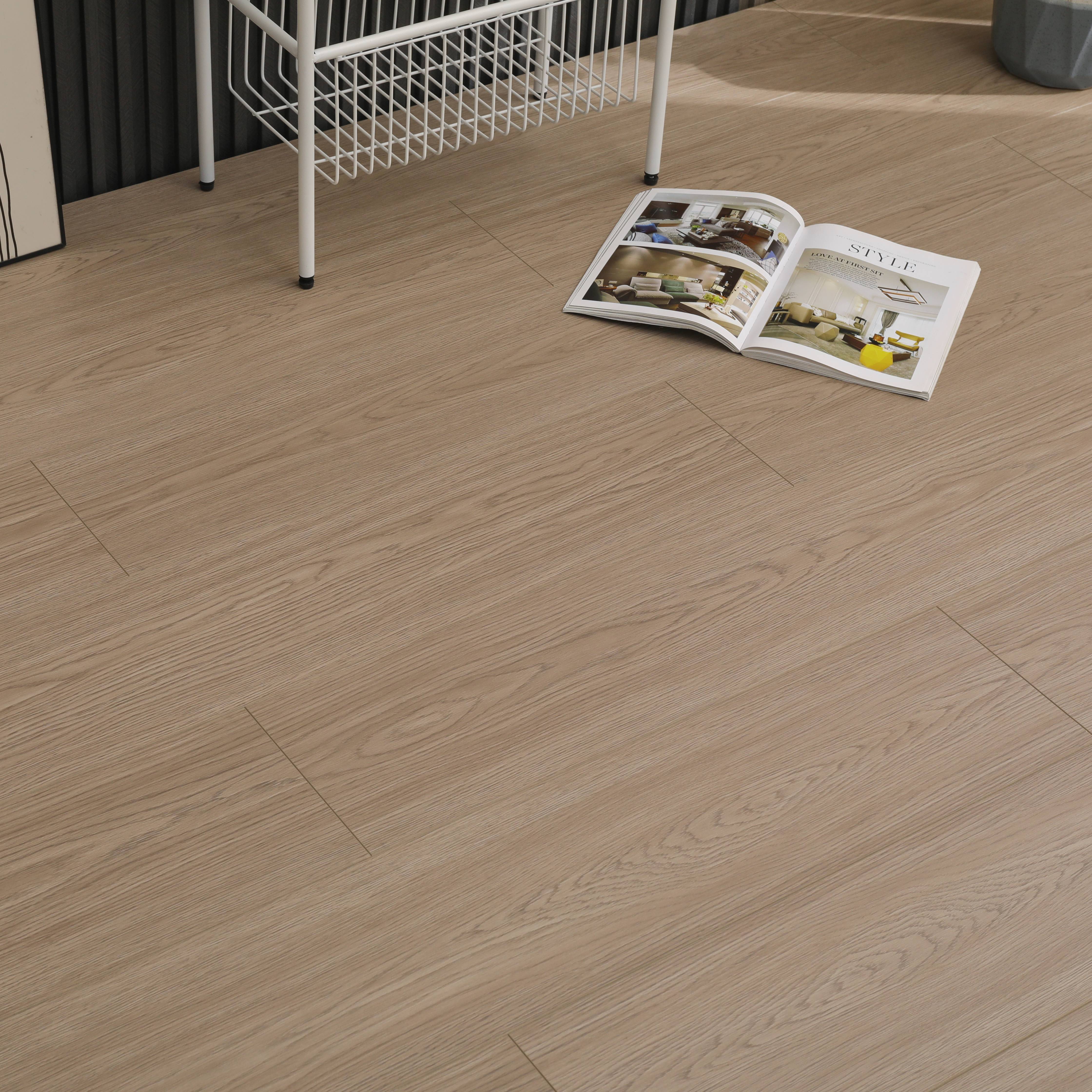
Wood flooring represents one of the most enduring and valuable investments homeowners can make in their properties. The natural beauty, durability, and timeless appeal of wood flooring have made it a preferred choice across residential and commercial spaces for centuries. Modern wood flooring options combine traditional craftsmanship with advanced manufacturing techniques, delivering products that meet contemporary performance standards while maintaining authentic aesthetic appeal.
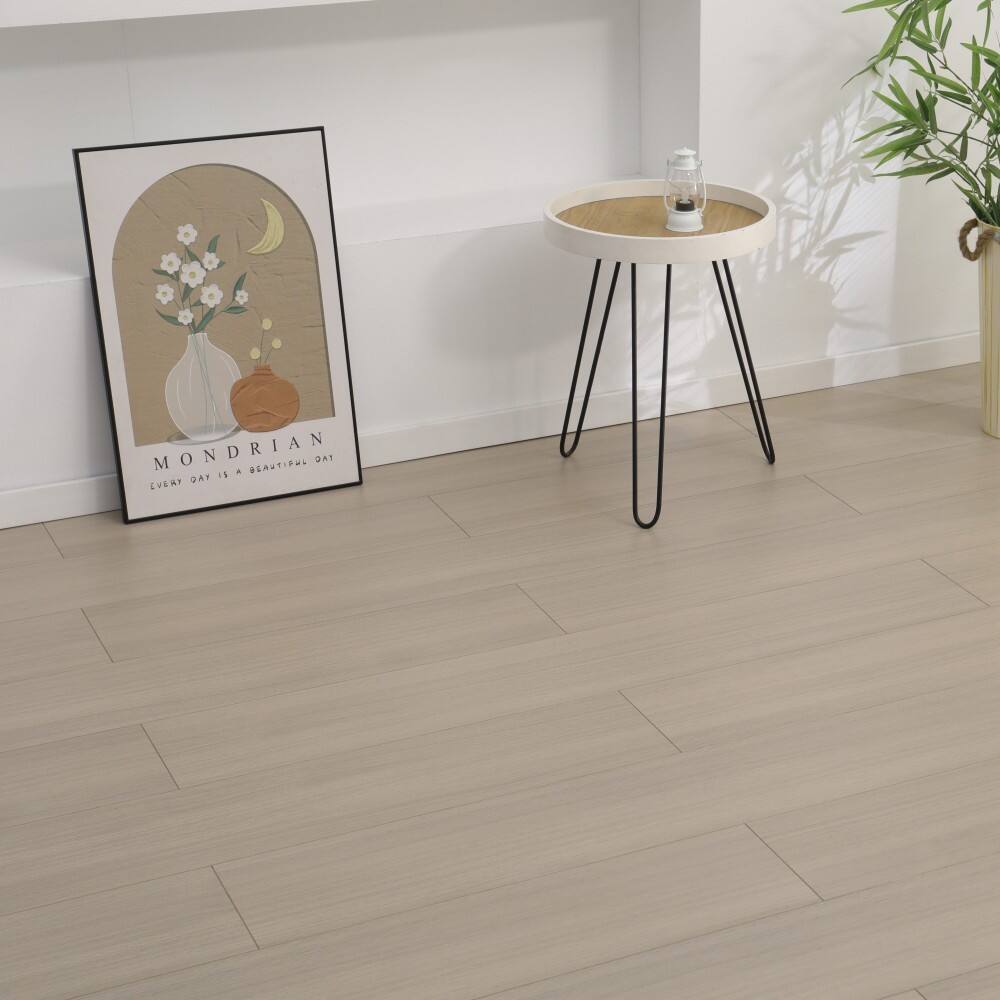
Understanding the fundamentals of wood flooring selection, installation, and maintenance ensures optimal performance and longevity. Professional contractors and homeowners alike benefit from comprehensive knowledge about wood species characteristics, moisture considerations, subfloor preparation requirements, and proper installation techniques. This expertise translates directly into superior project outcomes and long-term customer satisfaction.
Wood Flooring Types and Species Selection
Solid Hardwood Flooring Characteristics
Solid hardwood represents the premium tier of wood flooring materials, featuring planks milled from single pieces of lumber. These floors typically measure three-quarters of an inch in thickness and can be sanded and refinished multiple times throughout their lifespan. Popular species for solid wood flooring include oak, maple, cherry, walnut, and hickory, each offering distinct grain patterns, hardness ratings, and color variations.
The dimensional stability of solid wood flooring depends heavily on proper acclimation and environmental controls. Installation requires careful attention to seasonal moisture fluctuations and appropriate expansion gaps around room perimeters. Professional installation techniques ensure proper nail patterns, subfloor preparation, and moisture barrier placement for optimal performance.
Engineered Wood Flooring Construction
Engineered wood flooring consists of multiple layers bonded together with adhesives under high pressure and temperature. The top wear layer features genuine hardwood veneer, while lower layers typically use plywood or high-density fiberboard for dimensional stability. This construction method provides enhanced moisture resistance compared to solid wood flooring while maintaining authentic appearance and feel.
Advanced manufacturing processes create wood flooring products with improved stability and installation versatility. Engineered planks can be installed using floating, glue-down, or nail-down methods depending on subfloor conditions and project requirements. The multi-layer construction allows for installation over concrete slabs and below-grade applications where solid wood would be unsuitable.
Installation Preparation and Subfloor Requirements
Moisture Testing and Environmental Controls
Proper moisture management forms the foundation of successful wood flooring installations. Subfloor moisture content must be measured using calibrated meters and documented before material delivery. Concrete slabs require moisture testing using both surface meters and in-situ probes to identify potential issues. Wood subfloors should maintain moisture levels within manufacturer specifications to prevent dimensional movement after installation.
Climate control systems must be operational before, during, and after wood flooring installation. Maintaining consistent temperature and humidity levels prevents excessive expansion or contraction that could cause gapping, cupping, or crowning. Professional installations include detailed moisture documentation and environmental monitoring throughout the project timeline.
Subfloor Preparation Techniques
Subfloor preparation directly impacts the performance and longevity of wood flooring systems. Concrete substrates require thorough cleaning, crack repair, and surface preparation to achieve proper adhesion. Grinding or shot-blasting removes surface contaminants and creates appropriate texture for adhesive bonding. Self-leveling compounds address minor irregularities while maintaining structural integrity.
Wood subfloor systems need comprehensive evaluation for structural adequacy, squeaks, and surface imperfections. Plywood or OSB panels must be properly fastened with appropriate fastener patterns and spacing. Surface sanding removes high spots while maintaining overall flatness within industry tolerance standards. Proper subfloor preparation prevents telegraph-through issues and ensures smooth wood flooring performance.
Professional Installation Methods
Nail-Down Installation Procedures
Nail-down installation represents the traditional method for securing solid wood flooring to wooden subfloors. Pneumatic nailers drive cleats at precise angles through tongue edges into subfloor materials. Proper nail selection considers wood species hardness, plank thickness, and subfloor composition to achieve optimal holding power without splitting or damage.
Installation begins with establishing straight working lines and proper expansion gaps around room perimeters. The first row requires face-nailing near walls with subsequent rows using blind-nailing techniques through tongue edges. Consistent nail spacing and proper angle settings ensure uniform installation and prevent squeaks or loose boards. Quality wood flooring installations maintain straight rows and tight joints throughout the project area.
Glue-Down Application Methods
Glue-down installation provides excellent stability for both solid and engineered wood flooring over concrete substrates. Urethane adhesives offer superior bonding strength and moisture resistance compared to traditional water-based products. Trowel selection determines adhesive spread rates and open time characteristics essential for proper bonding.
Working time limitations require efficient installation techniques and proper crew coordination. Adhesive must maintain wet film characteristics during plank placement to achieve full transfer and bonding. Rolling procedures eliminate air bubbles and ensure complete contact between wood flooring and substrate surfaces. Cleanup protocols remove excess adhesive before curing to prevent surface contamination.
Wood Flooring Maintenance and Care
Daily Cleaning and Protection
Proper maintenance extends wood flooring lifespan while preserving appearance and performance characteristics. Daily cleaning involves dry mopping or vacuuming to remove abrasive particles that could scratch surface finishes. Damp mopping with manufacturer-approved cleaners addresses spills and stains without compromising wood or finish integrity.
Protective measures include entry mats, furniture pads, and area rugs in high-traffic zones. Direct sunlight exposure requires window treatments to prevent uneven fading or thermal expansion. Pet nail trimming and appropriate footwear policies minimize surface damage from daily use. Consistent care practices maintain wood flooring beauty and functionality for decades.
Refinishing and Restoration Procedures
Professional refinishing restores wood flooring appearance and extends service life through multiple cycles. Surface evaluation determines sanding requirements and appropriate grit progressions for optimal results. Dust containment systems protect surrounding areas while maintaining air quality during sanding operations.
Finish application requires controlled environmental conditions and proper surface preparation. Multiple coat systems build depth and durability while allowing adequate curing time between applications. Quality refinishing projects restore wood flooring to like-new condition with enhanced protection against wear and moisture infiltration.
Troubleshooting Common Issues
Moisture-Related Problems
Moisture issues represent the primary cause of wood flooring failures and performance problems. Cupping occurs when board edges rise above center sections due to moisture absorption from below. Crowning develops when board centers rise above edges, typically from surface moisture exposure or inadequate acclimation.
Gap formation results from excessive drying or inadequate initial moisture content during installation. Seasonal movement remains normal within specified ranges, but excessive gaps indicate moisture control problems. Professional diagnosis identifies root causes and appropriate corrective measures for moisture-related wood flooring issues.
Installation and Structural Concerns
Squeaks and loose boards often indicate inadequate fastening or subfloor movement. Proper diagnosis requires careful inspection of installation methods and substrate conditions. Repair procedures may involve additional fasteners, adhesive injection, or localized reinstallation depending on problem severity.
Finish wear patterns reveal traffic flow and maintenance adequacy. Premature wear indicates insufficient protection or inappropriate maintenance products. Surface scratches and dents require assessment for repair feasibility versus refinishing requirements. Professional evaluation determines optimal restoration approaches for specific wood flooring conditions.
FAQ
What is the typical lifespan of quality wood flooring
Quality wood flooring can last 50 to 100 years or more with proper installation and maintenance. Solid hardwood floors offer the longest lifespan due to their ability to be sanded and refinished multiple times. Engineered wood flooring typically provides 20 to 40 years of service depending on wear layer thickness and usage patterns. Regular maintenance and professional refinishing extend service life significantly beyond basic expectations.
How do environmental conditions affect wood flooring performance
Environmental conditions significantly impact wood flooring stability and appearance. Relative humidity should be maintained between 30-50% year-round to minimize seasonal movement. Temperature fluctuations cause expansion and contraction that can lead to gaps or buckling if excessive. Proper HVAC system operation and humidity control prevent most environmental-related wood flooring problems.
What installation method works best for different subfloor types
Installation method selection depends on subfloor material and environmental conditions. Nail-down installation works best over wooden subfloors with solid or engineered wood flooring. Glue-down methods are preferred for concrete slabs and provide maximum stability. Floating installations offer versatility but require appropriate underlayment and expansion space management for optimal performance.
When should wood flooring be professionally refinished
Professional refinishing becomes necessary when surface wear exposes raw wood or when multiple scratches compromise appearance. Most residential wood flooring requires refinishing every 7-10 years depending on traffic levels and maintenance quality. Commercial applications may need refinishing every 3-5 years due to higher usage intensity. Early refinishing preserves wood integrity and reduces overall restoration costs.