 EN
EN


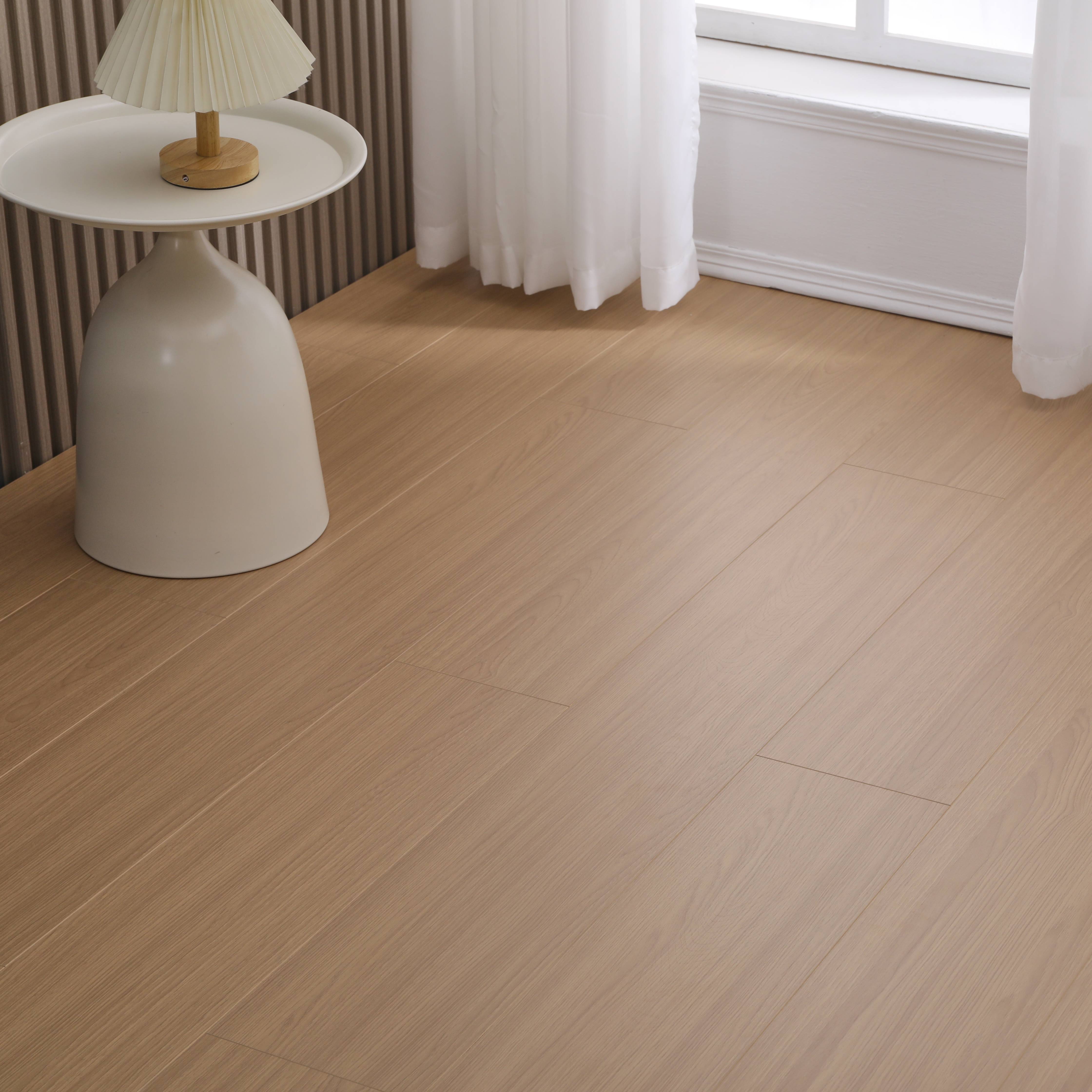
High-tech environments such as data centers, semiconductor manufacturing facilities, and electronic assembly plants require specialized flooring solutions that prevent electrostatic discharge (ESD) damage to sensitive equipment. Anti-static flooring plays a crucial role in maintaining the operational integrity of these environments by providing controlled electrical conductivity and protecting valuable electronic components. Understanding proper maintenance procedures for these specialized floor systems ensures long-term performance and cost-effectiveness while meeting industry safety standards.
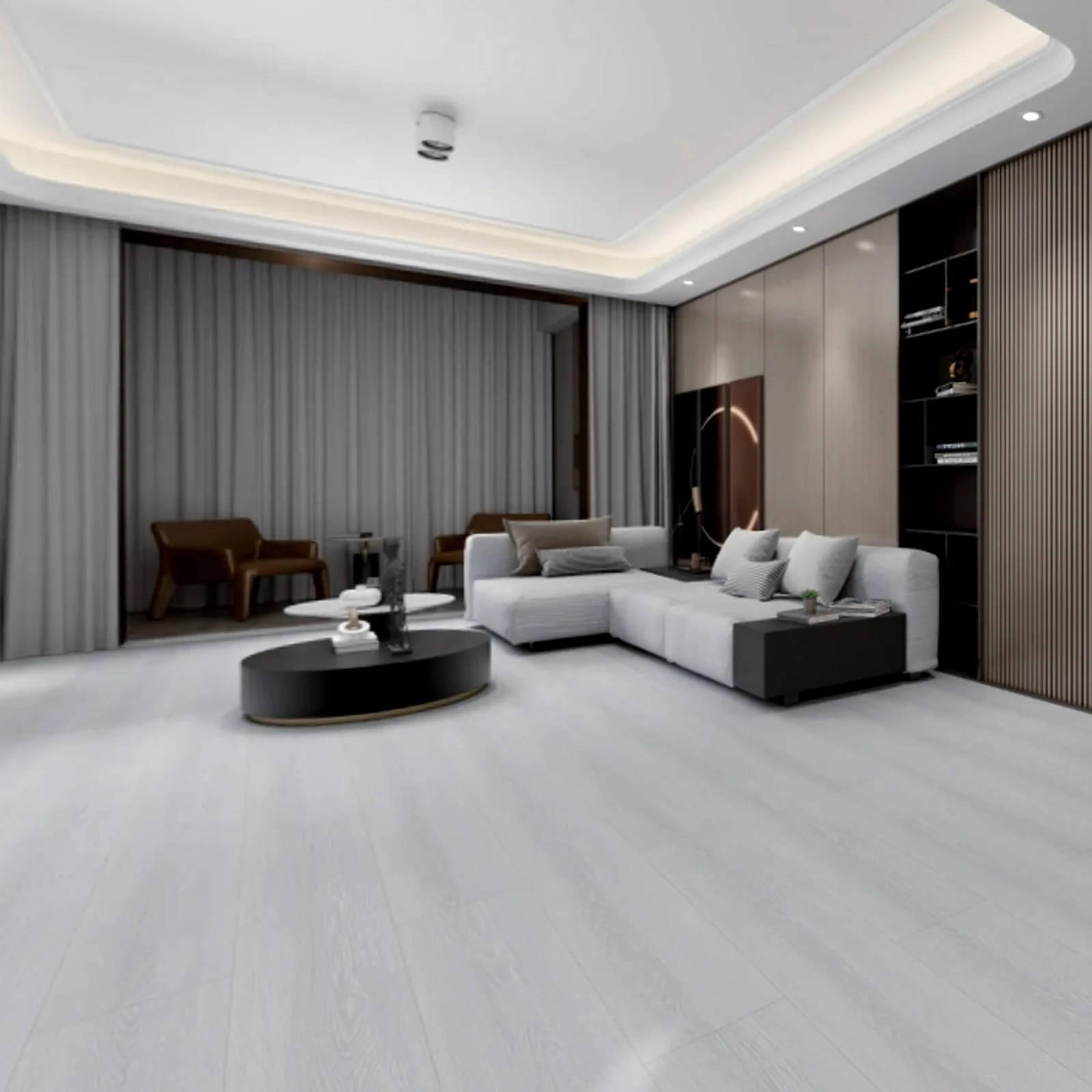
Understanding Anti-Static Floor Systems
Types of Anti-Static Flooring Materials
Anti-static flooring encompasses various material compositions designed to dissipate static electricity safely. Vinyl-based systems remain popular due to their durability and ease of installation, while epoxy resin floors offer superior chemical resistance for laboratory environments. Rubber flooring provides excellent comfort underfoot and works well in manufacturing areas where workers stand for extended periods. Laminate options have gained traction for their aesthetic appeal and simplified maintenance requirements.
Conductive flooring systems typically incorporate carbon or metallic fibers throughout the material matrix to create controlled electrical pathways. These pathways must maintain consistent performance over time, making proper maintenance essential for sustained functionality. The selection of flooring type often depends on specific industry requirements, environmental conditions, and budget considerations.
Performance Standards and Specifications
Industry standards define acceptable resistance ranges for anti-static flooring systems, typically between 10^6 to 10^9 ohms for most applications. These specifications ensure adequate static dissipation without creating safety hazards from electrical conductivity. Regular testing validates that flooring systems continue meeting these performance criteria throughout their service life.
Environmental factors such as humidity levels significantly impact anti-static flooring performance. Low humidity conditions can increase surface resistance, while excessive moisture may compromise the floor's structural integrity. Understanding these relationships helps facility managers develop appropriate maintenance protocols and environmental controls.
Daily Maintenance Protocols
Cleaning Agent Selection
Selecting appropriate cleaning agents represents a critical aspect of anti-static flooring maintenance. Standard commercial cleaners may contain ingredients that interfere with the floor's conductive properties or leave residues that compromise performance. Specialized ESD-safe cleaning solutions maintain the floor's electrical characteristics while providing effective dirt and contamination removal.
pH-neutral cleaners prevent chemical reactions that could damage the flooring material or alter its electrical properties. Avoiding ammonia-based products, waxes, and polish applications helps preserve the anti-static flooring surface integrity. Water-based solutions generally prove safer than solvent-based alternatives for routine cleaning operations.
Proper Cleaning Techniques
Implementing consistent cleaning techniques ensures thorough contamination removal without damaging the flooring surface. Microfiber mops and cloths effectively capture particles and contaminants while minimizing scratching or abrasion. Damp mopping rather than wet cleaning prevents excessive moisture exposure that could affect adhesive bonds or seep into seams.
Regular dust mopping removes loose particles before they can accumulate and potentially interfere with the floor's electrical properties. Establishing cleaning schedules based on facility traffic patterns and contamination sources optimizes maintenance efficiency while maintaining consistent performance standards.
Environmental Control and Monitoring
Humidity Management Strategies
Maintaining optimal humidity levels between 40-60% relative humidity supports consistent anti-static flooring performance while providing comfortable working conditions. Humidity levels below 30% increase static generation risks, while excessive moisture above 70% may promote microbial growth or affect floor adhesion. HVAC system coordination ensures stable environmental conditions that support flooring longevity.
Seasonal variations require adjustments to humidity control strategies, particularly in climates with significant temperature and moisture fluctuations. Monitoring equipment provides real-time data for proactive environmental management and helps identify potential issues before they impact flooring performance or facility operations.
Temperature Considerations
Temperature stability affects both material properties and electrical characteristics of anti-static flooring systems. Extreme temperature fluctuations can cause material expansion and contraction, potentially creating gaps or stress points that compromise performance. Maintaining consistent temperatures between 65-75°F typically provides optimal conditions for most flooring materials.
Gradual temperature changes allow flooring materials to acclimate naturally without stress damage. Rapid temperature variations from equipment heat generation or environmental system malfunctions require immediate attention to prevent long-term flooring degradation.
Preventive Maintenance Schedules
Weekly Inspection Procedures
Weekly visual inspections identify potential issues before they escalate into costly repairs or performance failures. Examining seam integrity, surface wear patterns, and signs of moisture infiltration allows for prompt corrective action. Documenting inspection findings creates historical records that support long-term maintenance planning and warranty compliance.
High-traffic areas require particular attention during weekly inspections, as these zones typically show first signs of wear or performance degradation. Identifying wear patterns helps optimize traffic flow and implement protective measures where appropriate.
Monthly Performance Testing
Monthly electrical resistance testing verifies that anti-static flooring systems continue meeting specified performance standards. Using calibrated test equipment at designated locations provides consistent data for trend analysis and performance monitoring. Test results should fall within acceptable ranges defined by industry standards and manufacturer specifications.
Maintaining detailed test records enables facility managers to track performance trends over time and identify areas requiring additional attention or remediation. This data proves valuable for warranty claims, compliance auditing, and long-term facility planning decisions.
Troubleshooting Common Issues
Identifying Performance Degradation
Performance degradation in anti-static flooring systems often manifests gradually, making early detection challenging without systematic monitoring. Increasing electrical resistance readings may indicate contamination buildup, wear damage, or environmental factors affecting conductivity. Prompt identification allows for targeted remediation before complete system failure occurs.
Visual signs of degradation include surface dulling, discoloration, or visible wear patterns that suggest compromised material integrity. These indicators often precede measurable electrical performance changes and provide early warning opportunities for maintenance intervention.
Repair and Restoration Methods
Minor surface damage to anti-static flooring can often be addressed through localized repair techniques that restore both aesthetic appearance and electrical properties. Specialized repair compounds maintain conductivity while providing durable surface protection. Professional assessment determines whether repair or replacement represents the most cost-effective solution.
Restoration procedures may include deep cleaning, reconditioning treatments, or partial section replacement depending on damage extent and system age. Coordinating repairs with facility operations minimizes disruption while ensuring continued ESD protection during maintenance activities.
Long-Term Care Strategies
Lifecycle Planning
Effective lifecycle planning for anti-static flooring systems considers expected service life, performance degradation patterns, and replacement timing to optimize facility operations and budget allocation. Most commercial systems provide 10-15 years of service with proper maintenance, though high-traffic areas may require earlier replacement or renovation.
Budget planning should account for regular maintenance costs, periodic testing requirements, and eventual replacement expenses. Establishing replacement reserves ensures adequate funding availability when systems reach end-of-life conditions requiring complete renovation.
Technology Integration
Modern facility management systems can integrate anti-static flooring monitoring into comprehensive building automation platforms. Continuous monitoring sensors provide real-time performance data and automated alerts for maintenance scheduling. This technology integration supports predictive maintenance approaches that optimize system reliability while reducing operational costs.
Data analytics capabilities help identify usage patterns, environmental correlations, and maintenance effectiveness to continuously improve flooring system management. These insights support evidence-based decision making for facility improvements and operational optimization.
FAQ
How often should anti-static flooring be tested for electrical resistance
Anti-static flooring should undergo electrical resistance testing monthly in critical environments, with quarterly testing acceptable for less sensitive applications. High-traffic areas or facilities with stringent ESD requirements may benefit from weekly testing protocols. Consistent testing schedules help identify performance trends and ensure continued compliance with industry standards.
What cleaning products should be avoided on anti-static floors
Avoid ammonia-based cleaners, waxes, polishes, and solvent-based products that can interfere with electrical conductivity or damage flooring materials. Standard commercial floor cleaners often contain ingredients incompatible with anti-static flooring systems. Always use pH-neutral, ESD-safe cleaning solutions specifically designed for conductive flooring applications.
Can damaged anti-static flooring be repaired without full replacement
Minor damage to anti-static flooring can often be repaired using specialized conductive compounds and techniques that restore both appearance and electrical properties. However, extensive damage or widespread performance degradation typically requires section replacement or complete system renovation. Professional assessment determines the most appropriate and cost-effective repair approach.
How do environmental conditions affect anti-static flooring performance
Humidity levels significantly impact anti-static flooring performance, with optimal ranges between 40-60% relative humidity. Low humidity increases static generation risks, while excessive moisture may compromise adhesion or promote contamination. Temperature stability also affects material properties and electrical characteristics, making environmental control essential for consistent performance.