 EN
EN


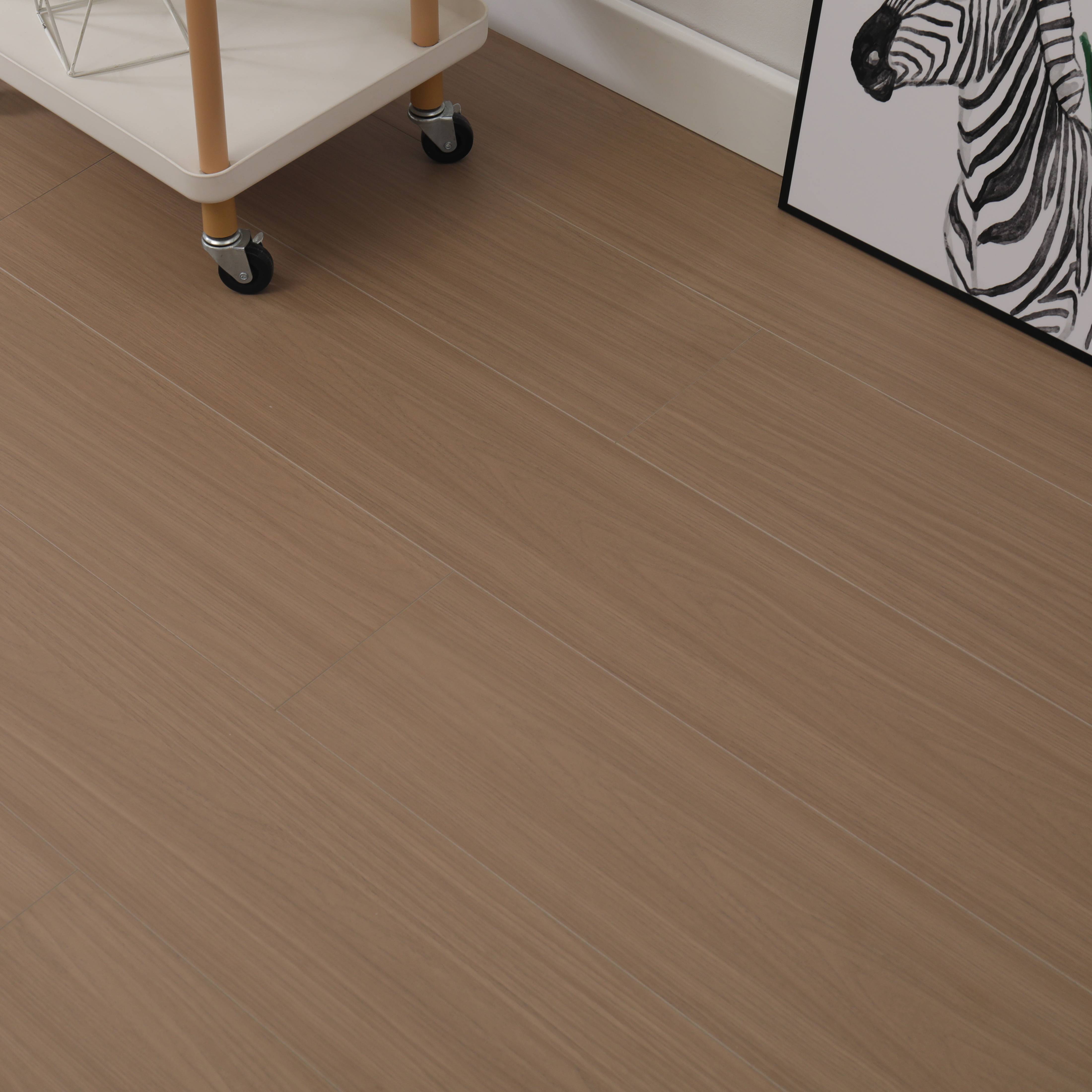
Selecting the optimal lock the floor solution for large-scale projects requires a strategic approach that balances performance requirements, budget constraints, and long-term durability expectations. Large projects present unique challenges that demand careful consideration of installation complexity, material specifications, and maintenance requirements to ensure successful outcomes across extensive floor areas.
The complexity of large commercial, industrial, or residential developments requires a systematic evaluation process that addresses multiple technical and practical factors. Understanding how different lock the floor solution options perform under varying conditions helps project managers make informed decisions that minimize installation delays and reduce long-term maintenance costs while meeting aesthetic and functional requirements.
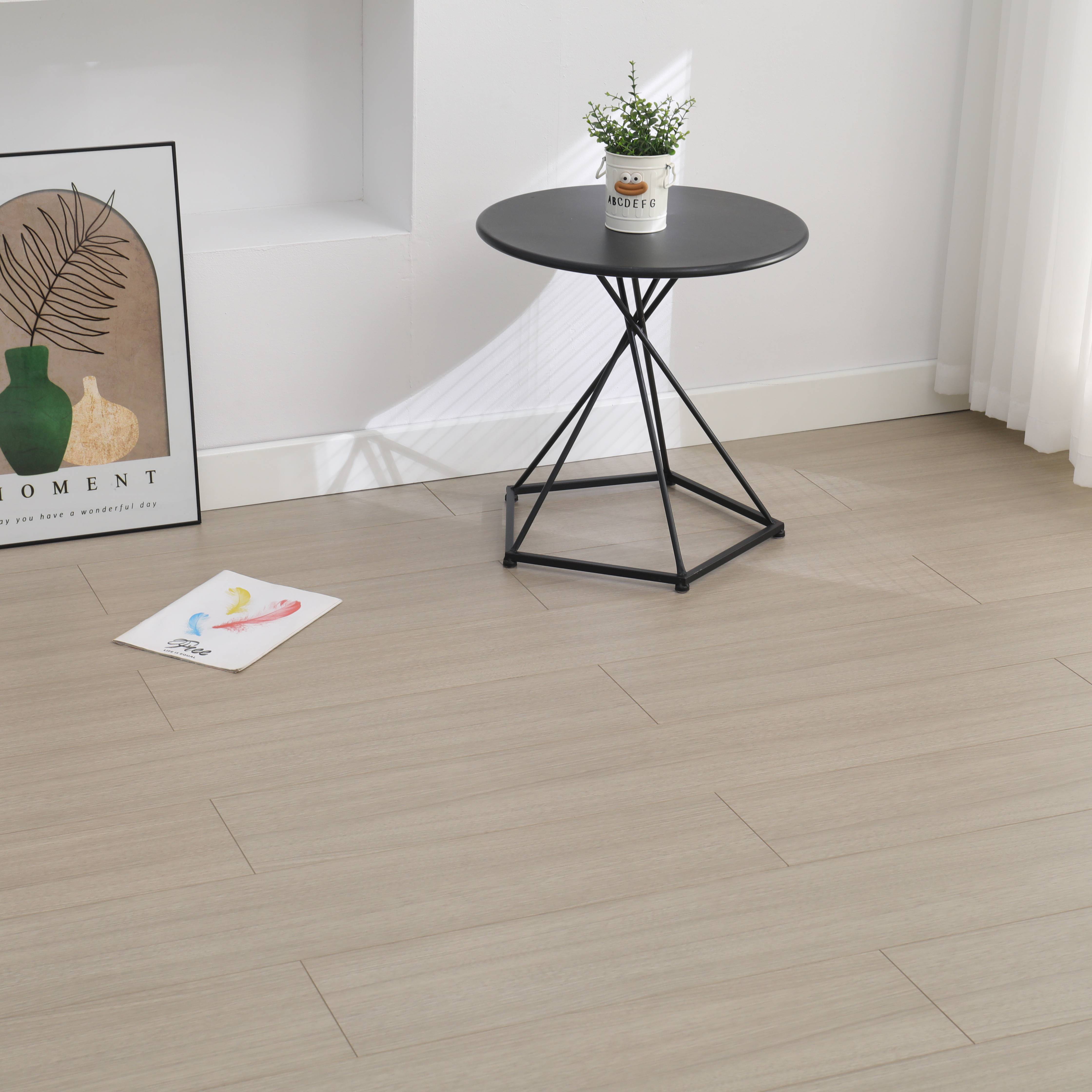
Understanding Project Requirements and Scope
Analyzing Traffic Patterns and Load Requirements
Large projects typically involve diverse usage zones with varying traffic intensities and load-bearing requirements. High-traffic areas such as lobbies, corridors, and commercial spaces require a lock the floor solution with enhanced durability ratings and superior wear resistance. The flooring system must withstand constant foot traffic, equipment movement, and potential impact loads without compromising structural integrity or aesthetic appeal.
Understanding the specific load requirements helps determine the appropriate substrate preparation and locking mechanism strength needed for optimal performance. Heavy-duty applications may require reinforced locking systems that provide additional stability and prevent joint separation under stress. This analysis directly influences material selection and installation methodology for the entire project.
Environmental Conditions and Climate Considerations
Large buildings often experience varying environmental conditions across different zones, making climate adaptability a crucial factor in selecting the right lock the floor solution. Temperature fluctuations, humidity variations, and moisture exposure can significantly impact flooring performance and longevity. Areas with high humidity or potential moisture exposure require flooring systems with enhanced water resistance and dimensional stability.
The thermal expansion characteristics of the chosen lock the floor solution must align with the building's HVAC capabilities and expected temperature ranges. Proper expansion joint planning and acclimation procedures become essential for maintaining system integrity across large installation areas. Environmental factors also influence adhesive selection and curing times during installation phases.
Technical Specifications and Performance Criteria
Locking Mechanism Strength and Reliability
The locking system's mechanical strength determines the long-term performance and stability of the entire floor installation. Advanced locking mechanisms provide superior holding power while maintaining ease of installation for large-scale applications. The connection strength must exceed industry standards to handle the stresses associated with building movement, settling, and thermal expansion across extensive floor areas.
Testing data for pull-apart strength, vertical load capacity, and repeated assembly cycles provides valuable insights into system reliability. A robust lock the floor solution should demonstrate consistent performance under standardized testing conditions while maintaining its locking integrity over extended periods. Quality locking systems also facilitate easier maintenance and replacement of individual planks when necessary.
Installation Efficiency and Labor Considerations
Large projects require installation systems that optimize labor efficiency while maintaining quality standards. The complexity of the locking mechanism directly impacts installation speed and skill requirements for the installation crew. Simplified locking systems reduce installation time and minimize the potential for installation errors that could compromise system performance.
Installation efficiency becomes particularly important when dealing with tight project schedules and multiple installation crews working simultaneously. The chosen lock the floor solution should provide consistent installation results regardless of crew experience levels while maintaining high-quality standards throughout the project. This consistency helps prevent costly delays and rework during the construction phase.
Material Selection and Durability Factors
Core Material Composition and Density
The core material composition significantly influences the overall performance characteristics of the lock the floor solution. High-density fiberboard cores provide superior dimensional stability and screw-holding power for locking mechanisms. The core density affects moisture resistance, thermal expansion rates, and overall structural integrity under varying environmental conditions.
Advanced core materials incorporate moisture barriers and stabilizing additives that enhance long-term performance in challenging environments. The core composition also influences acoustic properties, which becomes important in multi-story buildings where sound transmission control is essential. Selecting the appropriate core material ensures optimal performance across the entire project lifecycle.
Surface Treatment and Wear Layer Specifications
The wear layer thickness and composition determine the floor's resistance to scratches, stains, and UV degradation over time. Large projects require consistent wear layer specifications across all installation areas to maintain uniform appearance and performance characteristics. Advanced surface treatments provide enhanced protection against commercial cleaning chemicals and high-traffic wear patterns.
Surface treatment technology affects both appearance retention and maintenance requirements throughout the building's operational life. The selected lock the floor solution should demonstrate proven performance in similar large-scale applications with documented wear characteristics and maintenance protocols. This information helps facility managers plan appropriate maintenance schedules and budget requirements.
Installation Planning and Project Management
Sequencing and Phasing Strategies
Large projects benefit from carefully planned installation sequences that minimize disruption to other construction activities while ensuring optimal results. The installation sequence should consider building access points, material delivery logistics, and coordination with other trades to prevent delays and damage. Proper phasing allows for quality control checkpoints and adjustments throughout the installation process.
Effective sequencing also considers the curing and acclimation requirements of the lock the floor solution to ensure proper performance. Environmental conditions during installation phases can affect the final results, making timing and coordination critical success factors. Advanced planning helps identify potential bottlenecks and develop contingency strategies for maintaining project schedules.
Quality Control and Inspection Protocols
Implementing comprehensive quality control measures ensures consistent installation quality across all project phases. Regular inspection protocols help identify potential issues before they become costly problems requiring extensive rework. The lock the floor solution should meet or exceed specified performance criteria throughout the installation process.
Documentation of installation procedures, environmental conditions, and quality metrics provides valuable information for warranty claims and future maintenance planning. Establishing clear acceptance criteria and inspection schedules helps maintain project quality while preventing delays associated with rework or corrections. This systematic approach ensures the final installation meets all project requirements and specifications.
Cost Analysis and Value Engineering
Total Cost of Ownership Calculations
Evaluating the total cost of ownership provides a comprehensive view of the long-term financial implications of different lock the floor solution options. Initial material and installation costs represent only a portion of the total investment when considering maintenance, replacement, and operational costs over the building's lifecycle. Advanced flooring systems with higher initial costs often provide superior value through reduced maintenance requirements and extended service life.
Lifecycle cost analysis should include factors such as cleaning costs, maintenance frequency, replacement schedules, and potential downtime impacts on building operations. The selected lock the floor solution should demonstrate measurable cost advantages over alternative options while meeting all performance requirements. This analysis helps justify investment decisions and supports value engineering initiatives.
Budget Optimization and Specification Flexibility
Large projects often require budget optimization strategies that balance performance requirements with cost constraints. Specification flexibility allows for adjustments based on specific area requirements and budget allocations while maintaining overall project quality standards. Different zones within the project may warrant varying specification levels based on usage intensity and aesthetic requirements.
Value engineering opportunities may include optimizing installation methods, material specifications, or maintenance protocols to achieve cost savings without compromising performance. The chosen lock the floor solution should offer sufficient flexibility to accommodate budget adjustments while maintaining essential performance characteristics. This approach helps maximize project value while staying within budget constraints.
FAQ
What factors determine the appropriate locking mechanism strength for large projects?
The appropriate locking mechanism strength depends on expected traffic loads, environmental conditions, building movement characteristics, and long-term performance requirements. Large projects typically require locking systems with higher pull-apart strength and vertical load capacity to handle the stresses associated with extensive floor areas and diverse usage patterns.
How does installation efficiency impact overall project costs and timelines?
Installation efficiency directly affects labor costs, project schedules, and quality consistency across large installations. Efficient locking systems reduce installation time, minimize skill requirements, and decrease the potential for errors that could require costly rework. This efficiency becomes particularly important when coordinating multiple installation crews and maintaining tight construction schedules.
What role does environmental adaptability play in lock the floor solution selection?
Environmental adaptability ensures the flooring system performs consistently across varying climate conditions within large buildings. Factors such as temperature fluctuations, humidity variations, and moisture exposure can significantly impact system performance and longevity. Selecting environmentally adaptable solutions prevents issues such as joint separation, dimensional instability, and premature wear that could compromise the entire installation.
How should maintenance requirements influence the selection process for large projects?
Maintenance requirements significantly impact long-term operational costs and building management efficiency. The selected lock the floor solution should offer simplified maintenance protocols, resistance to commercial cleaning chemicals, and easy replacement capabilities for individual components. Understanding maintenance requirements helps facility managers budget appropriately and develop effective maintenance schedules that preserve system performance and appearance over time.
Table of Contents
- Understanding Project Requirements and Scope
- Technical Specifications and Performance Criteria
- Material Selection and Durability Factors
- Installation Planning and Project Management
- Cost Analysis and Value Engineering
-
FAQ
- What factors determine the appropriate locking mechanism strength for large projects?
- How does installation efficiency impact overall project costs and timelines?
- What role does environmental adaptability play in lock the floor solution selection?
- How should maintenance requirements influence the selection process for large projects?