 EN
EN


Ensuring plywood quality for export is not a single inspection task at the end of production. It is a controlled system that starts with log selection, continues through veneer processing and panel assembly, and ends with documented compliance checks before shipment. For B2B buyers, plywood quality for export directly affects customs clearance, downstream fabrication efficiency, and project risk. If your operation treats plywood quality for export as a checkpoint instead of a process, defects and compliance gaps usually appear when correction is most expensive.
A reliable approach to plywood quality for export combines technical quality control with regulatory readiness. Export markets evaluate dimensions, moisture behavior, bonding performance, emissions, and traceability records with different levels of strictness. That means plywood quality for export depends not only on physical panel performance, but also on whether every batch can be verified against declared standards. The most successful exporters build plywood quality for export into procurement rules, production parameters, lab testing plans, and shipping documentation workflows.
Build quality control from raw material to finished panel
Control veneer inputs before production begins
The foundation of plywood quality for export is stable veneer input. Veneer species, thickness tolerance, and moisture range should be controlled against internal specifications before entering layup. Mixed or poorly conditioned veneer often causes core gaps, uneven density, and face instability, all of which weaken plywood quality for export in mechanical tests and visual grading.
Moisture balancing is especially critical for plywood quality for export because exported panels face climate variation during storage and shipping. If veneer moisture is inconsistent, panels may warp after pressing or delaminate under humidity cycling. A practical factory rule is to standardize veneer conditioning windows by species and season, then verify with routine moisture measurements rather than occasional checks.
Stabilize pressing and bonding parameters
Adhesive spread consistency and hot-press parameters are central to plywood quality for export. Glue under-application can pass a basic visual check but fail bond tests in destination markets. Over-application can create bleed-through and uneven curing, reducing appearance grade and process stability. Operators should lock adhesive viscosity, spread rate, open assembly time, press temperature, and pressure into batch-specific records.
To protect plywood quality for export, process capability needs to be reviewed with trend data rather than isolated passes. Tracking delamination test outcomes against press settings helps identify drift before large quantities are affected. This is where digital batch logs improve plywood quality for export by turning production history into preventive action instead of post-shipment investigation.
Align technical specifications with destination compliance requirements
Translate buyer requirements into measurable specifications
Many export failures happen because commercial terms are not translated into measurable production targets. Plywood quality for export should be defined in a technical sheet that includes thickness tolerance, core construction, glue type, face grade limits, and moisture targets. This document should be shared across sales, production, quality, and logistics so plywood quality for export is interpreted the same way by every team.
When buyer requirements mention general conformity, your team should convert that into explicit test methods and acceptance values. Clear criteria protect plywood quality for export by preventing disputes over subjective interpretation. They also support faster internal release decisions because inspectors evaluate against predefined pass or fail thresholds.
Manage emissions and safety declarations with discipline
In many markets, plywood quality for export includes indoor air and chemical compliance expectations, not just structural performance. Adhesive system selection and curing control affect emission outcomes and declaration accuracy. If emissions are tested only occasionally, actual production variation can drift away from stated values, creating legal and commercial exposure.
Strong exporters maintain a calendar for recurring verification and document retention tied to each shipment lot. This strengthens plywood quality for export by connecting product labels, test evidence, and customer documents. For buyers, that documentation confidence is often as important as the panel itself because it reduces their own regulatory burden.
Implement inspection and testing routines that prevent shipment risk
Use layered in-process and final inspections
A single final inspection cannot reliably protect plywood quality for export. Layered controls are more effective: incoming checks, in-process audits, and pre-shipment verification. In-process checks catch recurring defects such as overlap, open joints, and sanding inconsistency before large batch accumulation. Final checks then confirm that plywood quality for export matches contract specifications and packaging integrity requirements.
Sampling plans should reflect order criticality, not convenience. High-consequence projects or strict customs destinations require tighter sampling and deeper test scope. This risk-based method strengthens plywood quality for export while keeping inspection resources proportional to business impact.
Test for real transport and end-use conditions
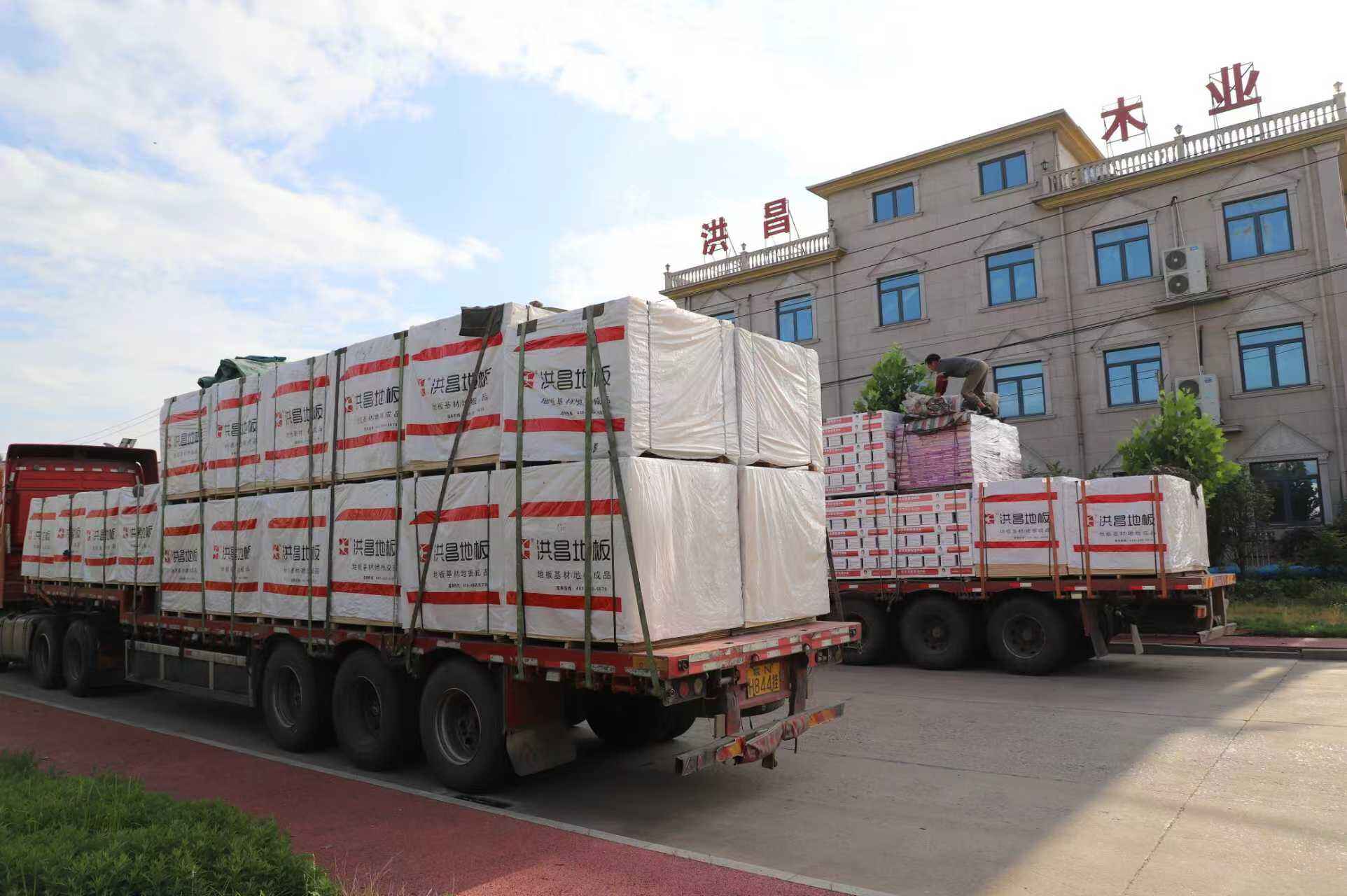
Laboratory compliance is necessary, but plywood quality for export also depends on transport resilience. Panels may encounter moisture fluctuation, stacking pressure, and handling damage over long transit windows. Including packaging compression checks and moisture exposure simulations gives a more realistic view of plywood quality for export under actual logistics conditions.
For projects requiring dimensional stability, add post-conditioning flatness and bond recheck protocols. This approach prevents the common gap where plywood quality for export looks acceptable at factory release but degrades before site installation. A practical preventive step is to assign hold points for retesting when shipment delay exceeds planned storage duration.
Strengthen traceability, documentation, and corrective action systems
Make traceability usable across departments
Traceability only supports plywood quality for export when records are complete and easy to retrieve. Each production lot should link raw material source, adhesive batch, press conditions, operator shift, inspection results, and shipment reference. When a claim occurs, this structure allows rapid containment instead of broad uncertainty.
Effective traceability improves plywood quality for export because recurring defects can be mapped to exact process points. Teams can then isolate root causes such as veneer moisture drift, curing variation, or sanding calibration issues. Without this linkage, corrective actions tend to be broad and temporary.
Turn nonconformities into process improvement
Corrective action should move beyond sorting defective boards. To sustain plywood quality for export, every major nonconformity needs root cause analysis, containment, validation of corrective steps, and follow-up verification. The objective is to prevent recurrence in future export lots, not only recover one shipment.
A practical operating model is monthly quality review by cross-functional leaders with KPI trends on defects, test pass rate, and document accuracy. This keeps plywood quality for export visible at management level and aligns production decisions with compliance risk. Companies that operate this way usually reduce rework cost and improve on-time clearance performance.
When evaluating material options for stable performance and documentation readiness, procurement teams often benchmark specifications against proven plywood quality for export criteria so technical and commercial expectations remain aligned across contracts.
FAQ
What is the first step to improve plywood quality for export in an existing factory?
Start by defining one unified technical specification sheet for each export grade and enforce it across sales, production, quality, and logistics. Most plywood quality for export failures begin with inconsistent interpretation of requirements, not with one isolated machine issue. Once criteria are unified, process control and testing become measurable and repeatable.
How often should bond strength and moisture be tested for plywood quality for export?
Testing frequency should be tied to production volume, order criticality, and process stability history. For most export operations, daily in-process verification plus lot-based pre-shipment confirmation provides a strong baseline for plywood quality for export. When new adhesive batches, seasonal moisture shifts, or process adjustments occur, temporary increased frequency is recommended.
Can documentation gaps block shipment even when panel performance is acceptable?
Yes, documentation gaps can delay or block release even if physical plywood quality for export is good. Customs and project owners often require traceable evidence that declared specifications and compliance statements are valid for the shipped lot. Strong document control is therefore a core part of plywood quality for export, not an administrative afterthought.
How can exporters reduce claims related to warp or delamination after delivery?
Reduce claims by combining tighter veneer moisture control, stable press curing parameters, and transport-focused packaging validation. Adding post-conditioning checks before dispatch also improves plywood quality for export by identifying latent instability. This integrated method addresses both manufacturing causes and logistics stress factors that trigger field complaints.
Table of Contents
- Build quality control from raw material to finished panel
- Align technical specifications with destination compliance requirements
- Implement inspection and testing routines that prevent shipment risk
- Strengthen traceability, documentation, and corrective action systems
-
FAQ
- What is the first step to improve plywood quality for export in an existing factory?
- How often should bond strength and moisture be tested for plywood quality for export?
- Can documentation gaps block shipment even when panel performance is acceptable?
- How can exporters reduce claims related to warp or delamination after delivery?