 EN
EN



Profit in global trade usually comes from repeat demand, manageable logistics, and flexible pricing, and plywood export checks all three boxes. In today’s construction and interior markets, buyers need stable panel supply for residential projects, office fit-outs, retail spaces, and modular production lines. Because these buyers reorder by specification and volume, plywood export can generate recurring revenue instead of one-time sales. That combination is why many B2B traders see plywood export as a business model with practical margin potential rather than a short-term trend.
The core reason plywood export becomes profitable is the spread between production-side cost structure and destination-market selling value. When quality grades are matched correctly to application needs, plywood export allows suppliers to protect margin while still offering buyers competitive landed pricing. At the same time, plywood export benefits from broad use cases, from subfloor systems to cabinetry substrates, which reduces dependence on a single end market. For B2B operators, that demand diversity makes plywood export a resilient and scalable commercial opportunity.
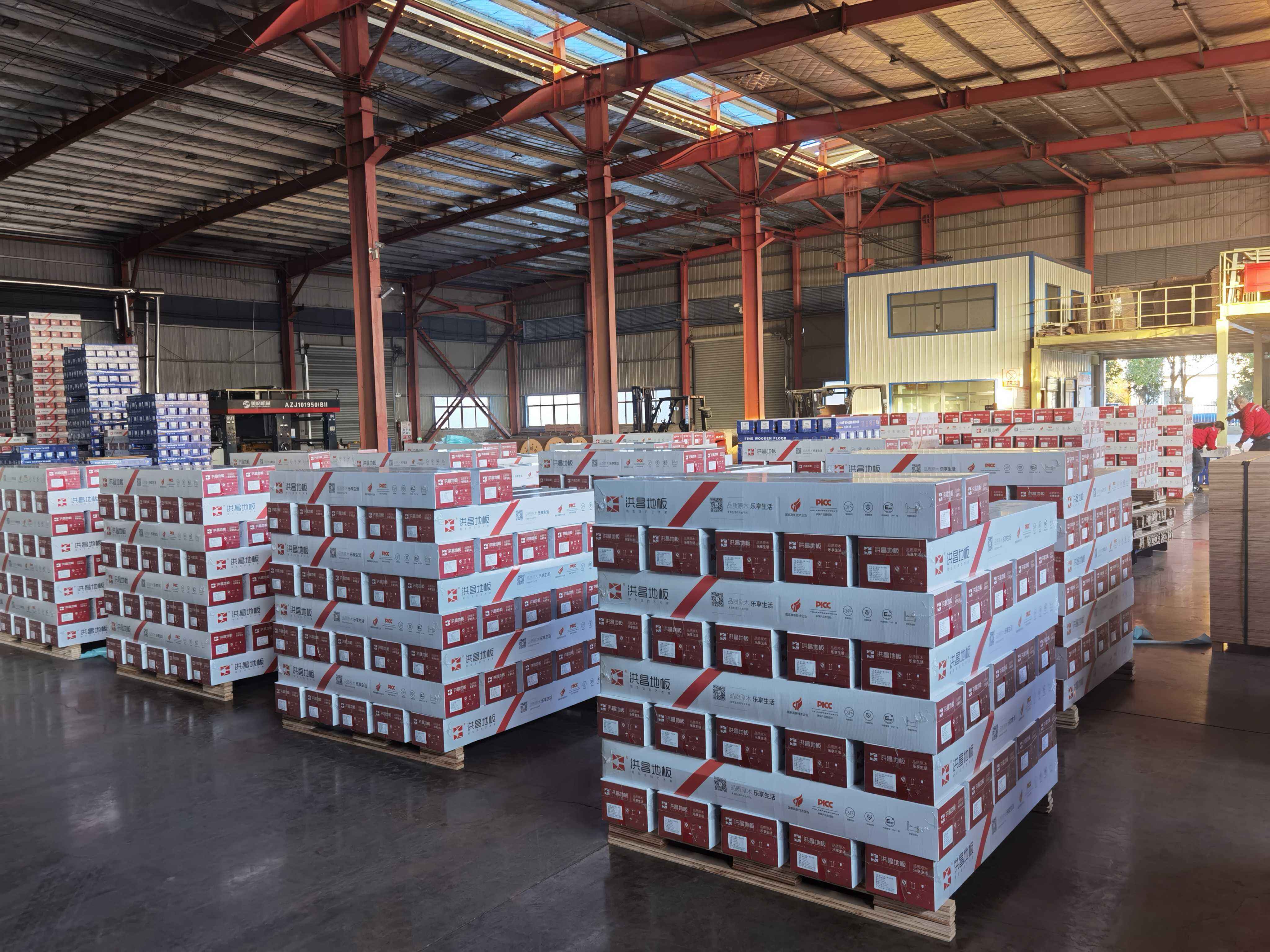
Global demand creates consistent margin space
Construction cycles and interior fit-out demand
A major driver of plywood export profitability is demand continuity across multiple project phases. Even when large structural projects slow, renovation and interior fit-out activity often continue, keeping plywood consumption active. This means plywood export is supported by both new construction and replacement demand, which stabilizes sales cycles. Stable demand is essential because profitability in plywood export depends on shipment frequency, not just isolated high-margin deals.
In many regions, procurement teams prioritize reliable panel supply over frequent specification changes, and that behavior favors long-term plywood export relationships. Once a buyer approves dimensions, moisture tolerance, and surface consistency, reorder friction drops significantly. As a result, plywood export can move from price negotiation mode into contract supply mode, where planning accuracy and volume commitments improve margin predictability.
Standardization supports repeat orders
Another reason plywood export is profitable is product standardization. Many industrial buyers source repeating grades for recurring applications, so plywood export does not require constant redesign or high customization costs. Standardized grade portfolios simplify production planning, reduce scrap risk, and support better inventory turnover. Those factors directly improve the economics of plywood export by lowering hidden operational costs.
Standardization also improves communication quality between seller and buyer. In plywood export, disputes usually come from unclear grade expectations, but clear specification frameworks reduce claim rates and return risk. Lower claim exposure protects net margin, and that is one of the less visible but powerful profit drivers in plywood export.
Cost and pricing mechanics behind profitable plywood export
Raw material conversion and grade segmentation
The profit logic of plywood export becomes clear when cost conversion is aligned with grade segmentation. Different buyers value different performance attributes, so plywood export can capture better margins by assigning production output to the right market segment rather than selling all grades through one pricing channel. This allows premium applications to carry premium pricing while commodity applications maintain volume flow. In practice, successful plywood export businesses treat grading strategy as a commercial tool, not just a quality process.
Because plywood export markets vary in purchasing power, there is room to optimize mix by destination and use case. When lower-cost grades are directed to cost-sensitive sectors and higher-performance grades to precision applications, blended profitability improves. That market matching discipline is one reason plywood export can outperform many single-market domestic sales models.
Freight packaging and landed cost control
Freight is often viewed as a constraint, but in plywood export it can become a source of competitive advantage. Better loading design, moisture-safe packaging, and shipment planning reduce damage and maximize container value per unit volume. Those improvements strengthen delivered cost position, which helps plywood export suppliers protect margin while staying attractive to importers.
Landed cost transparency also supports faster deal closure. Buyers evaluating plywood export opportunities want clear visibility on ex-works price, freight impact, and destination handling assumptions. When exporters provide disciplined landed-cost logic, trust improves and price objections become easier to resolve. This commercial clarity turns plywood export into a more efficient sales process with lower negotiation drag.
For buyers comparing sourcing channels, a practical reference point is consistent product value in plywood export programs that balance grade reliability and shipment economics. That balance is often what separates sustainable margin from short-lived price wins.
Risk management protects profit in plywood export
Compliance documentation and claim prevention
Profit is not only about gross spread; it is also about avoiding avoidable loss, and that is especially true in plywood export. Documentation quality, labeling consistency, and pre-shipment verification reduce customs delays and acceptance disputes. When plywood export documentation is disciplined, cash conversion improves because cargo moves without expensive interruption. Faster clearance and lower claim rates both contribute directly to profitability.
Clear technical communication is equally important. In plywood export, misunderstandings around moisture limits, bonding class, or thickness tolerance can erase margin through rework or discount claims. A structured approval process with signed specifications reduces those risks and keeps plywood export revenue aligned with original pricing intent.
Currency terms and payment discipline
Currency movement can quickly reshape deal economics, so profitable plywood export operations establish clear payment terms and pricing validity windows. Rather than absorbing every market shift, disciplined exporters protect transaction structure through agreed commercial clauses. This approach keeps plywood export margins from being eroded by volatility that has nothing to do with product performance.
Payment security also matters because delayed receivables can cancel apparent margin gains. In plywood export, working capital speed is a major profit lever, especially when order volumes rise. Businesses that align payment milestones with production and shipment checkpoints usually achieve healthier cash cycles, and healthier cash cycles make plywood export growth far more sustainable.
Building a scalable plywood export operating model
Market entry through focused segments
Many firms reduce profitability by trying to serve every customer type at once. A stronger model is to begin plywood export with two or three clear application segments where specification needs are well understood. This focus improves quote quality, reduces sampling waste, and shortens sales cycles. Over time, focused plywood export execution creates reference accounts that support expansion into adjacent segments.
Segment focus also improves operational rhythm. Production planning, quality checkpoints, and packaging routines become more consistent when plywood export demand is concentrated around known formats. Consistency lowers error rates, and lower error rates are a direct path to better net margin in plywood export.
Sales pipeline and account expansion
Profitable plywood export is rarely built on random spot orders. It is built on a pipeline that includes sample conversion, trial shipments, repeat purchase cycles, and annual volume planning. Each stage raises forecasting accuracy, and forecasting accuracy improves purchasing and production decisions. Better decisions create stronger margin outcomes across the plywood export cycle.
Account expansion is another reason plywood export can be highly profitable over time. Once performance trust is established in one grade or one format, buyers often add related specifications under the same commercial relationship. That expansion reduces customer acquisition cost and lifts lifetime account value, two critical profit drivers for any plywood export business.
In practical terms, plywood export rewards operators who combine technical consistency, disciplined costing, and steady account development. The business opportunity is profitable not because every shipment carries exceptional margin, but because the full plywood export system compounds small advantages across sourcing, production, logistics, and repeat sales. That compounding effect is exactly why plywood export remains an attractive B2B growth path.
FAQ
Why is plywood export often more profitable than relying on one domestic market?
Plywood export opens access to multiple demand centers with different pricing levels and application needs. That market diversity allows better grade allocation and reduces dependence on one buyer environment. When managed well, plywood export improves both volume stability and margin flexibility.
What is the biggest mistake that reduces plywood export profit?
A common mistake is weak specification control, which leads to disputes, discounts, and delayed payments. In plywood export, unclear grade definitions and inconsistent documentation can quickly erase expected margin. Strong technical alignment and document discipline are essential for protecting profit.
How long does it take to make plywood export commercially stable?
Commercial stability in plywood export usually comes after repeat-order behavior is established, not after the first shipment. Trial orders, performance validation, and process refinement are part of that path. Once reorder frequency improves, plywood export tends to become more predictable and financially efficient.
Can smaller B2B firms succeed in plywood export without massive scale?
Yes, smaller firms can build profitable plywood export operations by focusing on narrow segments, clear specifications, and reliable execution. Profit does not require the largest volume at the start. In plywood export, disciplined process control and repeat customer growth often matter more than initial size.