 EN
EN


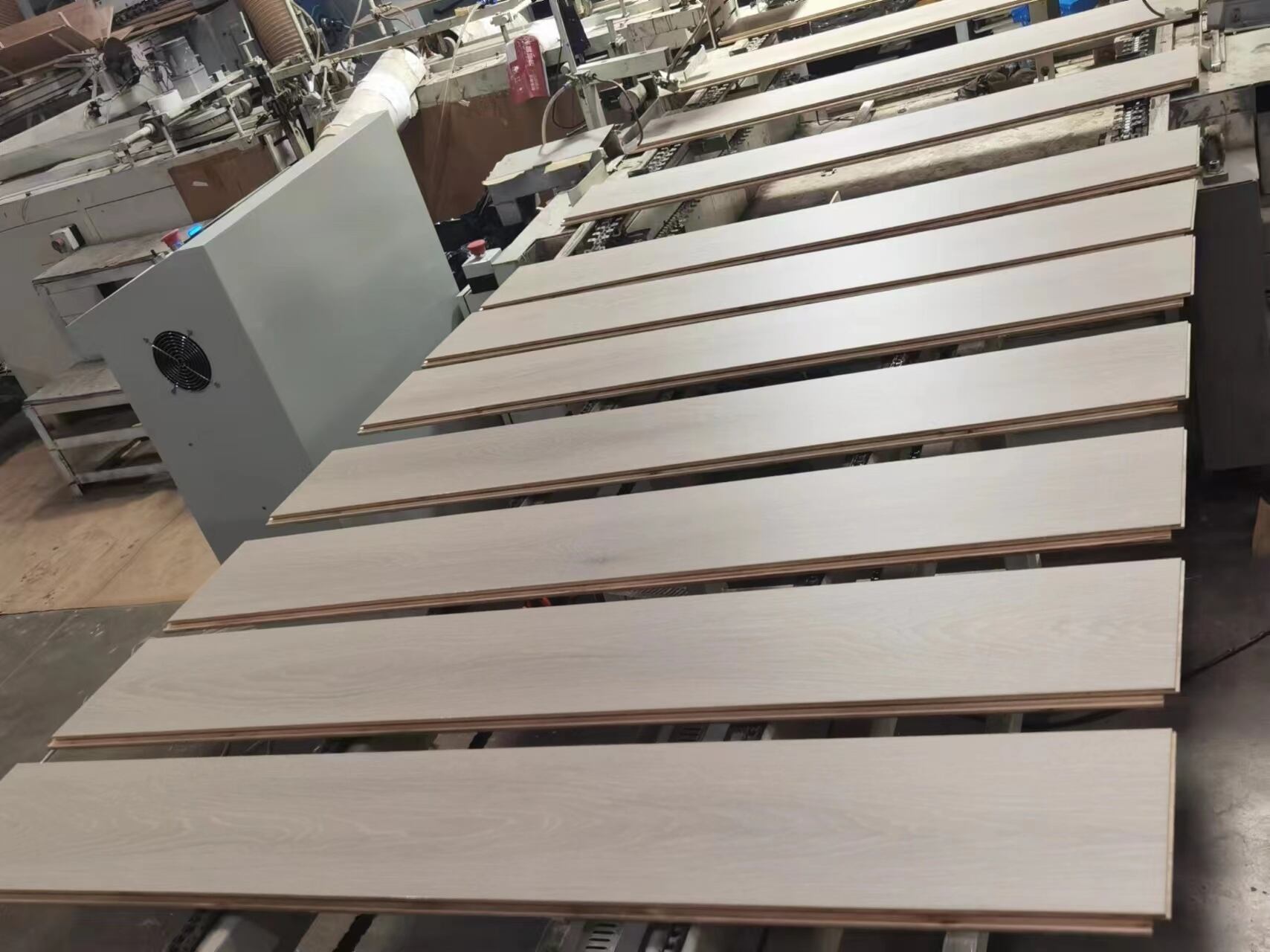
A silent floor is not a one-time installation result; it is an operating condition that must be preserved through routine care, load management, and early correction of small defects. In industrial and commercial environments, a silent floor helps protect concentration, supports acoustic compliance goals, and reduces the perception of mechanical fatigue across shared spaces. When teams treat a silent floor as part of facility performance management, they prevent minor noise sources from developing into persistent structural or comfort problems.
To maintain silent floor performance for maximum noise control, the practical method is a repeatable workflow: establish baseline sound behavior, follow disciplined cleaning and moisture control, protect joints and underlayers from stress, and monitor changes before they become audible failures. This approach keeps a silent floor stable under daily traffic, seasonal humidity shifts, and operational movement. The result is consistent noise control that remains reliable over time rather than fading after installation.

Building a Reliable Silent Floor Baseline
Defining what silent floor performance means in your facility
Before maintenance begins, teams need a shared definition of acceptable acoustic behavior. A silent floor should feel firm underfoot, produce minimal impact sound, and avoid recurring squeaks at seams or transition zones. In B2B settings, this definition should reflect the function of each area, because a logistics corridor and a client meeting space require different levels of acoustic sensitivity. Documenting what a silent floor means in context prevents subjective debates and makes maintenance decisions faster.
The baseline should include when noise appears, where it appears, and under what load condition it becomes noticeable. For example, a silent floor may stay quiet under normal walking but react under rolling equipment or pallet movement. Capturing these conditions helps maintenance teams identify whether the issue is surface friction, subfloor movement, or local joint fatigue. Without that baseline, silent floor work becomes reactive and inconsistent.
Mapping high-risk noise zones before deterioration
Not all areas age at the same pace, so a silent floor program should map entrance paths, equipment turning points, and moisture-prone edges first. These locations often experience concentrated stress that weakens the acoustic integrity of the floor system. A silent floor can lose performance in narrow zones long before the rest of the surface shows visible wear. Early mapping allows targeted inspection cycles instead of broad, inefficient checks.
Use simple zone labeling and recurring walkthroughs to build trend awareness. When a silent floor starts to shift from occasional creak to repeatable sound in one zone, intervention can happen while repair scope is still small. This lowers downtime and protects broader noise control goals. It also helps teams justify maintenance resources with clear evidence rather than anecdotal complaints.
Daily and Weekly Workflow to Keep a Silent Floor Quiet
Cleaning methods that preserve silent floor contact integrity
Surface debris is a frequent trigger of friction noise, especially where fine particles collect along seams. A silent floor should be cleaned with dry removal first, followed by controlled damp cleaning that avoids water pooling. Excess moisture can migrate into joints and reduce dimensional stability, which eventually breaks silent floor continuity. Routine cleaning is therefore an acoustic control step, not just a hygiene task.
Chemical selection matters as well. Residue-forming cleaners may leave films that attract dust and increase micro-abrasion under foot traffic, gradually undermining silent floor smoothness. Use neutral cleaning solutions and consistent dilution standards across shifts. When cleaning discipline is standardized, silent floor performance becomes less dependent on individual technique and more stable over long operating periods.
Traffic and load practices that reduce impact noise
A silent floor is strongly affected by how loads move across it. Hard wheel materials, abrupt direction changes, and repeated point loading can amplify impact sound and loosen local joints. Training operators to slow at transitions and distribute loads with appropriate transport practices extends silent floor life significantly. Acoustic durability is often a behavior outcome as much as a material outcome.
Entry control is another practical factor. Grit tracked from exterior zones can scratch surfaces and raise contact noise over time, reducing silent floor quality in high-visibility areas. Barrier mats and scheduled debris removal at thresholds create a protective buffer for the floor system. These simple controls keep silent floor conditions consistent without major operational disruption.
Moisture discipline for stable silent floor geometry
Dimensional movement is one of the fastest ways to lose a silent floor. Even wear-resistant finishes cannot compensate for repeated expansion and contraction caused by uncontrolled humidity or minor leaks. Weekly checks around plumbing lines, perimeter edges, and cleaning storage points help maintain silent floor alignment. Moisture control protects both acoustic behavior and long-term structural fit.
When local wetting occurs, immediate drying and inspection are essential. Waiting for visible damage often means the silent floor has already developed stress at connection points. Teams should treat unexplained sound changes after wet events as a priority signal. Fast response preserves silent floor continuity and avoids larger corrective work later.
Structural Practices That Sustain Silent Floor Noise Control
Protecting joints, transitions, and edge support
Joints and transitions are common failure points in any silent floor system because they absorb differential movement between sections. If transition profiles loosen or edge support weakens, impact sound rises quickly and spreads perception of noise across the room. Regular mechanical checks keep the silent floor locked and reduce vibration transfer between adjacent surfaces. This is especially important where floor types meet at doorways and corridor intersections.
Expansion allowances should remain unobstructed so the floor can move within design limits. Blocked gaps can force compression that creates pressure sounds and localized lift, both of which break silent floor behavior. Maintenance teams should verify that sealants, debris, or ad hoc modifications are not restricting intended movement space. A silent floor stays quiet longer when structural tolerances are respected.
Subfloor condition and underlayer interaction
A silent floor depends on a stable base. Minor unevenness, soft spots, or localized deflection in the subfloor can convert normal footfall into audible noise signatures. Periodic checks for flatness drift and support integrity help detect hidden causes before surface symptoms worsen. In many cases, restoring subfloor consistency is the most effective way to recover silent floor performance.
Underlayer compression behavior also matters over time. When cushioning elements lose resilience, the silent floor may start sounding harder and less controlled under identical traffic conditions. Monitoring these changes at known high-load zones allows planned replacement cycles instead of emergency interventions. A silent floor remains predictable when the full layer stack is maintained as a system.
For projects that require durable everyday performance, many teams evaluate material options aligned with acoustic stability and wear control. One example is silent floor solutions designed for waterproof behavior, stable structure, and routine maintenance compatibility. Material choice alone is not enough, but it creates a stronger base for a long-term silent floor program.
Monitoring, Troubleshooting, and Corrective Timing
Early warning signs that silent floor performance is slipping
Noise control weakens gradually before obvious failure appears. A silent floor often first shows subtle cues such as location-specific clicking, shift in footfall tone, or sound that increases during humidity changes. Recording these signs with date and zone helps separate random events from true trends. This habit turns silent floor maintenance into a measurable process rather than an occasional fix.
Operational feedback should be captured from users who occupy the space daily. They often notice changes in silent floor behavior earlier than formal inspections because exposure is continuous. Combining user observations with scheduled technical checks improves diagnosis quality. Better diagnosis leads to faster restoration of silent floor noise control with less trial-and-error work.
Corrective action hierarchy for maximum noise control
Effective correction starts with least invasive actions: remove debris sources, correct moisture exposure, and tighten transition components. Many silent floor issues are resolved at this level when intervention is timely. If noise persists, teams can escalate to localized panel adjustment, underlayer review, or subfloor spot repair. Structured escalation prevents unnecessary broad replacement and keeps silent floor downtime manageable.
Post-repair validation is essential to confirm that the silent floor has returned to expected acoustic behavior under real operating loads. Validation should include walk tests, rolling-load checks, and follow-up reviews after environmental fluctuations. This closes the loop between maintenance action and outcome. A silent floor program that validates results consistently will sustain maximum noise control year after year.
FAQ
How often should a silent floor be inspected in busy commercial spaces?
In high-traffic environments, a silent floor should receive light observational checks daily and focused technical inspections at least monthly. Zones with rolling loads or frequent turning movement may need biweekly review. The key is consistency, because recurring small checks detect acoustic drift before it becomes a structural issue. This schedule keeps silent floor performance stable without creating unnecessary maintenance burden.
Can cleaning mistakes really cause silent floor noise problems?
Yes, cleaning errors are a common reason a silent floor loses acoustic quality. Overwet methods, residue-heavy chemicals, and inconsistent debris removal can all increase friction noise and joint stress. Correct cleaning protocols protect both finish condition and dimensional stability. A silent floor stays quieter when cleaning is treated as part of technical maintenance.
What is the first response when a previously silent floor starts squeaking?
The first response is to isolate the exact zone and check for debris, moisture exposure, and transition looseness. These are the most frequent reversible causes when a silent floor suddenly changes behavior. If the sound remains after basic correction, review underlayer compression and subfloor support in that location. Early structured response usually restores silent floor control with minimal disruption.
Is full replacement necessary when silent floor performance declines?
Not in most cases. Many silent floor issues come from localized mechanical or environmental conditions that can be corrected without full replacement. Targeted repairs, moisture management, and joint stabilization often return the floor to strong acoustic performance. Full replacement is typically a last step when system-wide deterioration makes localized correction no longer efficient.