 EN
EN


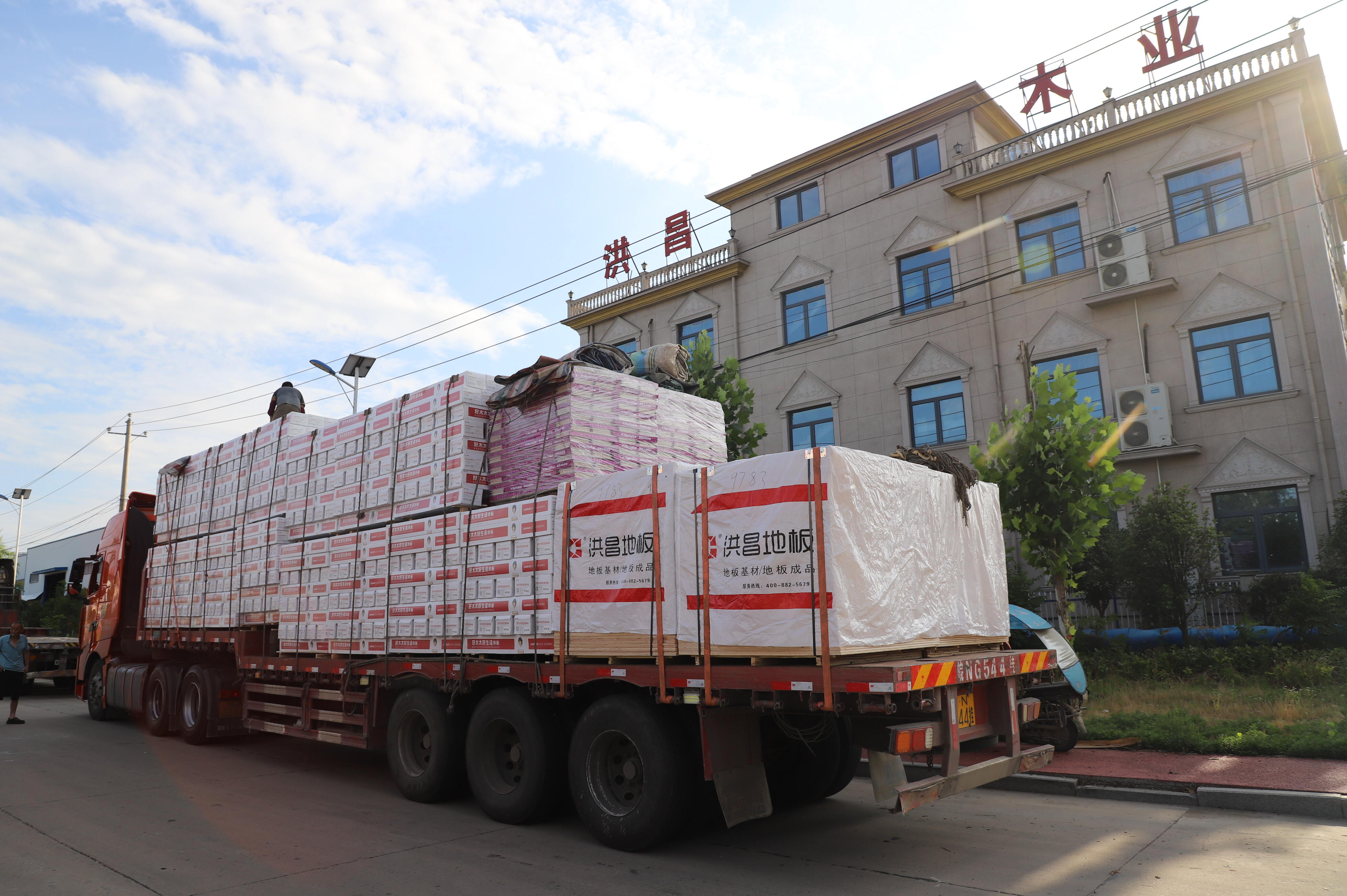
Ang negosyo ng pag-export ng plywood ay maaaring kumita at matatag, ngunit bihira itong simple. Ang karamihan sa mga exporter ay natutuklasan na ang paglago ay higit na tungkol sa pamamahala ng isang hanay ng teknikal, pangregulasyon, at operasyonal na desisyon sa iba't ibang merkado kaysa sa paghahanap lamang ng isang buyer. Sa praktika, ang tagumpay sa negosyo ng pag-export ng plywood ay nakasalalay sa kung gaano kahusay mo napapamahalaan ang pagkakapare-pareho ng kalidad, katiyakan ng pagpapadala, dokumentasyon para sa pagsunod sa regulasyon, at panganib sa pagbabayad nang sabay-sabay. Kapag humina ang isang link, agad na nawawala ang mga margin.
Upang makalampas sa mga presyur na ito, kailangan ng mga eksportador ng isang istrukturadong modelo ng operasyon imbes na reaktibong paglutas ng problema. Ipinapaliwanag ng gabay na ito kung paano harapin ang negosyo ng eksport ng plywood bilang isang buong sistema mula sa pagpili ng merkado at kontrol sa mga teknikal na tukoy hanggang sa pagpaplano ng freight at proteksyon ng kontrata. Ang layunin ay tulungan ang mga tagapagdesisyon na itatag ang isang negosyo ng eksport ng plywood na kayang umabsorb ng mga pagkakagambala, panatilihin ang tiwala ng mga customer, at lumawak nang may nakaplanong at maasahan na pagganap.
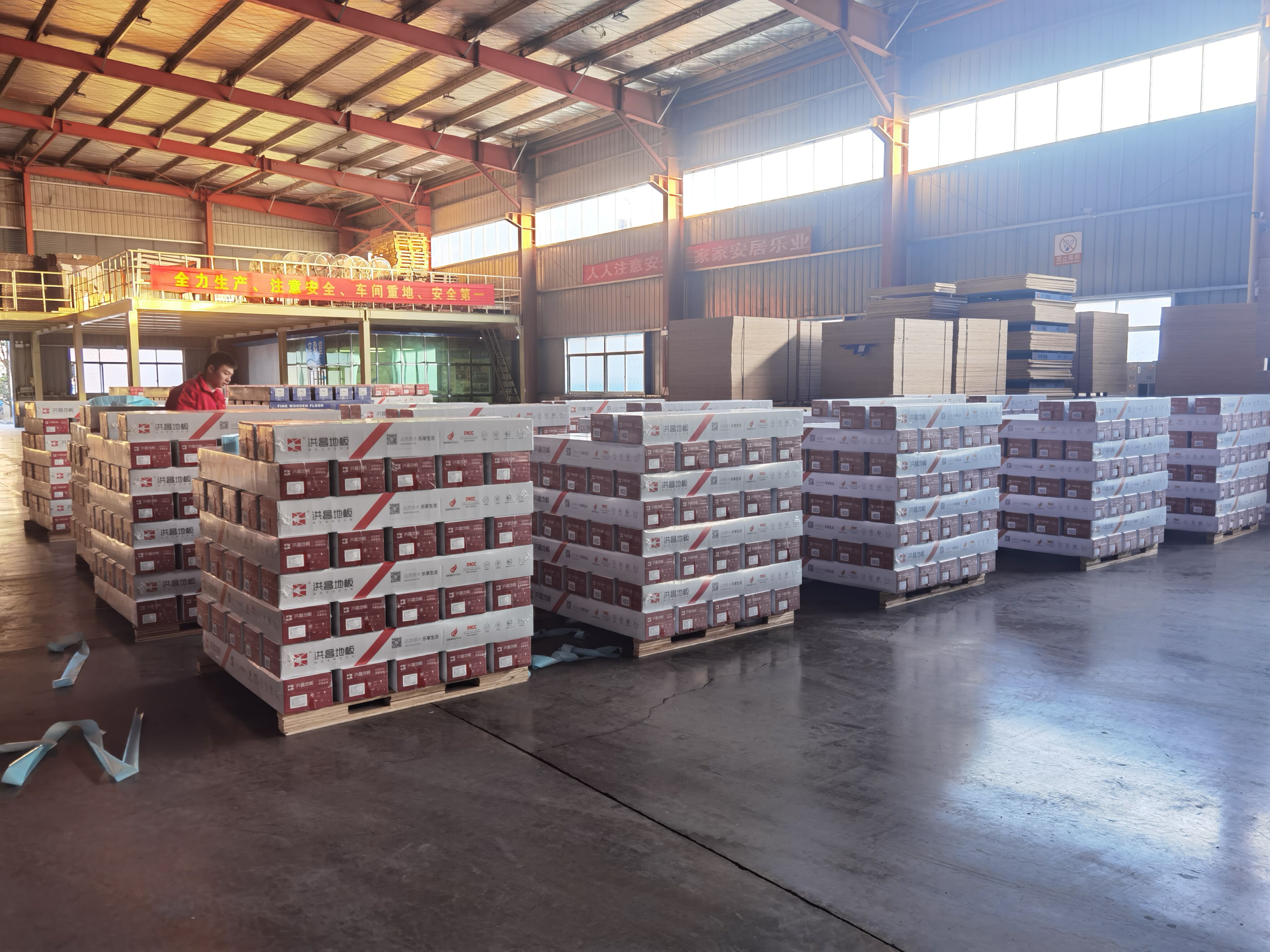
Pagbuo ng Estratehiyang Una sa Pamilihan para sa Matatag na Pagpapalawak
Pagkakasunod-sunod ng mga target na pamilihan sa pagkakasya ng produkto at pagsunod sa regulasyon
Isang karaniwang kamalian sa negosyo ng export ng plywood ang paghahabol sa demand nang hindi sinusuri ang teknikal na pagkakasya. Ang iba’t ibang pamilihan ay may iba’t ibang inaasahan tungkol sa emisyon, toleransya sa kahalumigmigan, komposisyon ng core, at toleransya sa kapal. Kung ang profile ng iyong produksyon ay hindi sumasapat sa mga kinakailangang iyon, bawat pagpapadala ay naging isang negosasyon at bawat reklamo ay naging mahal. Ang mga matatag na exporter ay nagsisimula sa pamamagitan ng pagtukoy kung saan ang kanilang umiiral na produkto ay madaling makakapasa, at mula roon ay lumalawak patungo sa iba pang mga pamilihan.
Ang disiplina sa pagkakasya sa pamilihan ay nagpapabuti ng kalidad ng mga pahayag ng presyo at binabawasan ang mga nakatagong gastos. Sa halip na magbigay ng pangkalahatang presyo, ang mga koponan sa isang matured na negosyo sa export ng plywood ay hinahati ang mga oportunidad batay sa aplikasyon, eksposur sa klima, at kategorya ng buyer. Ang paraang ito ay nagfi-filter ng mga katanungan na may mababang posibilidad at nagpapabuti ng conversion sa mga qualified na lead. Nagbibigay din ito ng mas matibay na base para sa mga long-term na kontrata dahil ang inyong alok ay itinatayo sa tunay na kakayahan sa pagpapatupad, hindi sa mga optimistikong asumpsiyon.
Pagpo-position sa pamamagitan ng pagiging maaasahan imbes na sa pinakamababang presyo
Patuloy ang presyon sa presyo sa negosyo ng export ng plywood, ngunit ang pagkakompetisya lamang sa pamamagitan ng mababang rate ay madalas na kumakalap ng mga buyer na hindi pare-pareho ang pag-uugali. Mas malakas na posisyon ang kumompetisya batay sa mga sukatan ng pagiging maaasahan na mahalaga sa mga koponan sa procurement: paulit-ulit na kalidad, malinaw na dokumentasyon, at pagkakatumpak ng paghahatid. Ang mga buyer na nagsusuplay sa mga pabrika o proyekto ay mas pinahahalagahan ang patuloy na serbisyo kaysa sa pansamantalang pagkakaiba sa presyo. Lalo pang tumataas ang halaga ng pagiging maaasahan kapag ang kawalan ng katiyakan sa freight o ang mga pagkaantala sa customs ay nakaaapekto sa mga siklo ng pagpaplano.
Ang komersyal na mensahe ay dapat sumasalamin sa operasyonal na katotohanan. Sa negosyo ng export ng plywood, ang maaasahang quote ay kasama ang realistiko ng mga window ng transit, ang transparent na mga saklaw ng toleransya, at ang malinaw na mga prosedura sa pag-file ng reklamo. Kapag nakikita ng mga buyer ang konsistensya sa pagitan ng quotation, inspeksyon, at pag-uugali sa pagpapadala, tumataas ang tiwala. Ang tiwalang ito ay binabawasan ang friction sa transaksyon at maaaring mapabuti ang mga termino ng pagbabayad sa paglipas ng panahon, na direktang pinalalakas ang cash flow.
Paggawa ng Kontrol sa Kalidad ng Produkto sa Buong Produksyon at Transit
Pagpapalinaw ng mga inaasahan ng buyer sa pamamagitan ng mga sukatan na maaaring sukatin
Maraming kabiguan sa negosyo ng export ng plywood ay nagsisimula sa mga di-malawak na spesipikasyon. Ang mga termino tulad ng 'premium grade' o 'durable quality' ay iba-iba ang interpretasyon ng bawat partido at lumilikha ng panganib na magkaroon ng usapin pagkatapos ng delivery. Ang mga exporter ay dapat isalin ang lahat ng mga kinakailangan sa mga sukatan na maaaring sukatin tulad ng toleransya sa kapal, katuwiran ng panel, saklaw ng nilalaman ng kahalumigmigan, integridad ng bond, at pamantayan sa ibabaw. Ang mga sukatan na maaaring sukatin ay nagpapalinaw ng pagtanggap bago pa man simulan ang produksyon.
Ang mga panloob na koponan sa produksyon at ang mga panlabas na bumibili ay kailangang gumagawa mula sa parehong bersyon ng mga teknikal na tukoy. Sa isang disiplinadong negosyo ng pag-export ng plywood, ito ay naipapadokumento sa mga file ng kumpirmasyon bago ang produksyon at inii-referensya naman sa panahon ng inspeksyon. Ang resulta ay mas kaunti ang mga hindi inaasahang suliranin sa destinasyon at mas mabilis na resolusyon ng mga reklamo kapag may mga isyu. Ang kalinawan sa mga teknikal na tukoy ay hindi lamang papagurin sa dokumentasyon; ito ay proteksyon sa kita.
Pagbawas ng pinsala at pagkakaiba-iba sa panahon ng pagpapakete at pagpapadala
Maaaring mapinsala ang magandang mga panel dahil sa mahinang disenyo ng pakete habang nakakalipat. Ang mga pagbabago sa kahalumigan, presyon mula sa pagstack, at mga impact dulot ng paghawak ay karaniwang panganib sa negosyo ng pag-export ng plywood, lalo na sa mahabang ruta na may maraming punto ng transfer. Dapat tumaas ang mga protokol sa pagpapakete sa proteksyon sa gilid, katatagan ng pallet, mga hadlang laban sa kahalumigan, at pamamahagi ng bigat batay sa hugis ng konteyner. Ang mga exporter na itinuturing ang pagpapakete bilang isang inhinyeriyang tungkulin ay nakakakita ng mas kaunting reklamo matapos ang pagdating.
Ang pagpapatunay bago ang pagpapadala ay dapat din kasama ang katiyakan sa pagmamarka ng karton, pag-uugnay ng bilang, at mga litrato ng mga lalagyan na puno na. Ang mga kontrol na ito ay nagtataguyod ng kakayahang subaybayan at binabawasan ang mga alitan sa negosyo ng pag-export ng plywood. Para sa mga bumibili na sinusuri ang mga tagapag-suplay, ang transparenteng ebidensya mula sa bawat pagpapadala ay nagsisilbing senyal ng kahusayan ng proseso. Ang isang praktikal na pamantayan para sa mga pahina ng produkto at teknikal na konteksto ay makikita sa negosyo ng pag-export ng plywood mga materyales na binibigyang-diin ang paglaban sa pagkakasukat (warp resistance) at kalinawan sa pagiging angkop para sa gamit (fit-for-use clarity).
Pamamahala ng Logistics at Dokumentasyon nang walang mga puwang sa operasyon
Pagpaplano ng freight kasama ang mga buffer para sa iba't ibang senaryo
Ang mga pagkakabagabag sa karga ay naging isang istruktural na katotohanan na ngayon, hindi lamang isang pansamantalang eksepsyon. Sa negosyo ng export ng plywood, ang pagkawala sa mga window ng barko at ang kongestyon sa daungan ay maaaring sirain ang mga timeline ng proyekto at pahirapan ang mga ugnayan sa customer. Kailangan ng mga exporter ng mga buffer para sa mga senaryo sa produksyon at mga plano sa pag-book, kasama ang mga alternatibong ruta at mga pagsusuri sa kahandaan batay sa mga milestone. Ang pagpaplano ng mga buffer nang maaga ay mas murang gawin kaysa sa mga emergency na pag-aadjust malapit sa mga petsa ng paglo-load.
Dapat i-align ang bilis ng pagpapadala ng mga shipment sa mga pattern ng pagkonsumo ng buyer, hindi sa kaginhawaan ng loob. Ang isang responsive na negosyo ng export ng plywood ay nakikipagtulungan sa mga customer tungkol sa ritmo ng imbentaryo, hindi lamang sa petsa ng pagpapadala. Ito ay nababawasan ang mga kahilingan para sa urgent na airfreight, binabawasan ang panganib ng demurrage, at sumusuporta sa mas maayos na operasyon ng pagtanggap. Ang mas mainam na ritmo ay nagpapabuti rin ng katiyakan ng forecast, na tumutulong sa pagbili ng hilaw na materyales at sa pagpaplano ng kapasidad.
Pamantayanin ang mga dokumentong pang-export upang maiwasan ang mga pagkakabagabag sa customs clearance
Ang mga pagkakamali sa dokumentasyon ay nananatiling isa sa mga pinakamadaling maiiwasang pagkawala sa negosyo ng export ng plywood. Kahit ang mga maliit na hindi pagkakatugma sa bill of lading, packing list, at shipping marks ay maaaring mag-trigger ng mga pagkaantala sa customs o mga hindi pagkakasunod-sunod sa bangko sa ilalim ng mga termino ng dokumentaryong pagbabayad. Ang solusyon ay ang pambansang pamantayan sa dokumentasyon kasama ang malinaw na pagtatalaga ng may-ari at mga checkpoint para sa pagsusuri bago ito ipalabas. Ang kultura ng checklist ay gumagana lamang kapag ang pananagutan ay malinaw.
Dapat panatilihin ng mga koponan ang mga template na nakabase sa partikular na merkado at i-update ang mga ito tuwing may pagbabago sa mga alituntunin ng destinasyon. Sa isang lumalaking negosyo ng export ng plywood, ang buhay na sistema na ito ay nababawasan ang paulit-ulit na gawain at pinoprotektahan ang mga pangako sa paghahatid. Ang pare-parehong kalidad ng dokumento ay nagpapataas din ng tiwala ng importer at nagpapabilis sa mga paulit-ulit na transaksyon. Sa paglipas ng panahon, ang kahusayan sa administratibo ay naging isang kompetitibong kalamangan, hindi lamang isang kinakailangang sumunod sa regulasyon.
Pagprotekta sa Komersyal na Resulta sa pamamagitan ng Pamamahala ng Panganib at Ugnayan
Paggawa ng mga kontrata upang balansehin ang fleksibilidad at kontrol
Ang komersyal na panganib sa negosyo ng pag-export ng plywood ay kadalasang lumilitaw matapos ang pagkakasundo, hindi habang nagkakaloob ng presyo. Dapat tukuyin ng mga kontrata ang mga pamantayan sa pagtanggap ng kalidad, mga panahon para sa reklamo, mga hangganan ng pananagutan, at paraan ng pagharap sa force majeure gamit ang simpleng operasyonal na wika. Ang di-malinaw na legal na wika ay maaaring mukhang pormal ngunit lumilikha ng puwang para sa mahal na interpretasyon. Ang malinaw na mga kontrata ay nababawasan ang eskalasyon ng konflikto at pinapanatili ang atensyon ng parehong panig sa pagpapatupad.
Kailangan din ng mga klausula sa presyo ang mga praktikal na mekanismo para sa mga pagbabago sa hilaw na materyales at sa gastos sa freight. Ang isang matatag na negosyo sa pag-export ng plywood ay umaalis sa mga kapitan ng fixed-price kapag mataas ang volatility ng gastos. Sa halip, maaaring isama ng mga kontrata ang mga trigger para sa pagsusuri na nakakabit sa mga napagkasunduang elemento ng gastos at sa mga panahon ng paunawa. Ang ganitong paraan ay protektado ang patuloy na pakikipagtulungan habang pinapanatili ang katarungan sa komersyo.
Pinalalakas ang pagtatalaga ng buyer sa pamamagitan ng disiplina sa komunikasyon
Ang pagpapanatili ng mga kliyente sa negosyo ng export ng plywood ay itinatayo sa pamamagitan ng kalidad ng komunikasyon, lalo na kapag may mga pagkakabigo. Mas madaling tinatanggap ng mga bumibili ang mga pagkaantala kapag ang mga update ay maaga, batay sa katotohanan, at nakatuon sa solusyon. Ang katahimikan o ang huling abiso ay mas mabilis na sumisira sa tiwala kaysa sa mismong pagkaantala. Ang epektibong mga exporter ay gumagamit ng komunikasyon batay sa mga mahahalagang yugto—mula sa pagsasapat ng order hanggang sa pagdating nito at sa pagkuha ng feedback.
Ang pagsusuri matapos ang pagpapadala ay isa pang di-ginagamit na paraan sa negosyo ng export ng plywood. Ang maikling operasyonal na debrief matapos ang bawat siklo ay maaaring makilala ang mga paulit-ulit na problema sa pakete, dokumentasyon, o pagpaplano. Ang patuloy na pagwawasto ay nagpapabuti ng katatagan ng serbisyo at nababawasan ang hindi nakikita na pagkawala ng gastos. Sa loob ng maraming siklo, ang disiplinang ito ay nagbabago ng mga transaksyonal na bumibili tungo sa mga pangmatagalang account.
Madalas Itanong
Ano ang pinakamalaking panganib sa operasyon sa negosyo ng export ng plywood?
Ang pinakamalaking panganib ay ang kawastuhan sa buong ugnay na mga proseso, imbes na isang hiwa-hiwalay na kabiguan. Sa negosyo ng pag-export ng plywood, ang kalidad, mga dokumento, at oras ng paghahatid ay dapat na magkakasabay para sa bawat pagpapadala. Ang isang malakas na produkto na may mahinang dokumentasyon ay maaaring mabigo sa customs, at ang perpektong dokumentasyon na may mahinang packaging ay maaaring mabigo sa destinasyon. Kaya naman, ang pagkakasunod-sunod ng mga proseso ang pangunahing prayoridad sa pagkontrol ng panganib.
Paano mapapabuti ng isang bagong exporter ang mga margin sa negosyo ng pag-export ng plywood nang hindi binabawasan ang kalidad?
Ang pagpapabuti ng margin ay karaniwang nagmumula sa pagbawas ng maiiwasang basura. Sa negosyo ng pag-export ng plywood, ibig sabihin nito ay mas kaunti ang mga reklamo, mas kaunti ang mga pagkaantala sa pagpapadala, at mas kaunti ang mga pagkakamali sa dokumento. Ang mga standardisadong espesipikasyon, mga pre-shipment na pagsusuri, at realistiko ang pagpaplano ng freight ay madalas na nagdudulot ng mas magandang resulta sa pananalapi kaysa sa agresibong pagtaas ng presyo. Ang operasyonal na pagkakatiwala ay sumusuporta sa mas malusog na talakayan sa presyo kasama ang mga buyer.
Maiiwasan ba ang panganib sa pagbabayad sa negosyo ng pag-export ng plywood?
Ang panganib sa pagbabayad ay hindi maaaring ganap na alisin, ngunit maaari itong mapamahalaan gamit ang disiplinadong mga kontrol. Sa negosyo ng export ng plywood, binabawasan ang panganib sa pamamagitan ng pagsusuri sa mga buyer, malinaw na mga tuntunin sa kontrata, dokumentasyon ng mga milestone, at mga paraan ng pagbabayad na naaayon sa antas ng kapanahunan ng relasyon. Ang pare-parehong komunikasyon at mga naitatalang rekord ng pagpapadala ay tumutulong din sa mas mabilis na resolusyon ng mga usapin. Ang layunin ay ang kontroladong eksposur, hindi ang zero eksposur.
Ilang taon ang kailangan upang itatag ang isang matatag na modelo ng negosyo sa export ng plywood?
Karamihan sa mga kumpanya ay nangangailangan ng ilang siklo ng pagpapadala upang matatag ang bawat target na merkado dahil ang bawat ruta at workflow ng buyer ay may natatanging mga limitasyon. Sa negosyo ng export ng plywood, ang katatagan ay nagmumula sa paulit-ulit na paggamit ng parehong balangkas ng kontrol at sa pagpapabuti nito gamit ang tunay na datos. Ang mga koponan na nangungunang dokumentuhin ang mga aral matapos ang bawat siklo ay karaniwang mas mabilis na umuunlad kaysa sa mga koponan na umaasa sa mga ad hoc na desisyon. Itinatayo ang isang matatag na modelo sa pamamagitan ng disiplinadong paulit-ulit na paggawa.
Talaan ng Nilalaman
- Pagbuo ng Estratehiyang Una sa Pamilihan para sa Matatag na Pagpapalawak
- Paggawa ng Kontrol sa Kalidad ng Produkto sa Buong Produksyon at Transit
- Pamamahala ng Logistics at Dokumentasyon nang walang mga puwang sa operasyon
- Pagprotekta sa Komersyal na Resulta sa pamamagitan ng Pamamahala ng Panganib at Ugnayan
-
Madalas Itanong
- Ano ang pinakamalaking panganib sa operasyon sa negosyo ng export ng plywood?
- Paano mapapabuti ng isang bagong exporter ang mga margin sa negosyo ng pag-export ng plywood nang hindi binabawasan ang kalidad?
- Maiiwasan ba ang panganib sa pagbabayad sa negosyo ng pag-export ng plywood?
- Ilang taon ang kailangan upang itatag ang isang matatag na modelo ng negosyo sa export ng plywood?